
How Large Flake Finishing Salt Transforms Your Food
Written By Santa Prisca & Co Staff Last updated on
Think about the last truly memorable bite of food you had. What made it stand out? Often, it’s a surprising contrast in texture or a perfect balance of flavors. While we associate salt with savory dishes, its true potential is revealed when used in unexpected ways. A large flake finishing salt is the secret to deepening the flavor of dark chocolate or balancing the sweetness of caramel. Its crisp, delicate structure provides a satisfying crunch and a burst of clean salinity that elevates everything it touches, from a perfectly seared steak to a simple avocado toast, making it one of the most versatile ingredients in a mindful kitchen.
Key Takeaways
- Timing is Everything: Add finishing salt as the final gesture just before serving. This preserves its delicate, crisp texture and ensures you experience the satisfying crunch and clean burst of flavor that makes this salt so special.
- Choose Unrefined for Purity and Flavor: Opt for unrefined, hand-harvested sea salt to benefit from its natural trace minerals. This minimal processing results in a more complex, nuanced flavor that is free from the harshness of stripped table salt.
- Don't Forget Dessert: Use finishing salt to create a beautiful contrast with sweet dishes. A small sprinkle on chocolate, caramel, or baked goods balances the sweetness and adds a sophisticated layer of texture and flavor.
What Is Large Flake Finishing Salt?
Imagine a salt that does more than just season. Picture a delicate, crystalline flake that adds a final touch of texture, a burst of clean flavor, and a visual flourish to your favorite dishes. This is the magic of large flake finishing salt. It’s not the salt you cook with, but the one you celebrate with—a final, intentional gesture that transforms a simple meal into a memorable experience.
Unlike fine-grained salts that dissolve and disappear into a recipe, finishing salt is meant to be seen and felt. Its broad, delicate structure is designed to sit atop your food, offering a gentle crunch and a slow-dissolving wave of pure salinity that enhances every bite. This is the secret ingredient chefs and home cooks use to add that final layer of polish and complexity, turning everyday food into something truly special. It’s about adding a moment of intention right before you eat, a small ritual that honors the ingredients and the care that went into preparing them. The beauty of a finishing salt is in its presence—it doesn’t hide, but rather highlights the flavors already there, making them brighter and more distinct. It’s the difference between a meal that is simply seasoned and one that is thoughtfully finished.
The Signature of a Perfect Flake
The true beauty of a finishing salt lies in its texture. Unlike the small, dense cubes of table salt, a quality finishing salt has large, pyramid-shaped flakes. This unique structure is what gives it a satisfying, delicate crunch that lingers. Because the flakes are big and dissolve slowly, they don’t just disappear into the dish. Instead, they provide a contrasting texture that beautifully complements softer foods, from a perfectly ripe avocado to a rich, dark chocolate brownie. It’s this crispness, this gentle pop of flavor, that transforms the entire sensory experience of a meal.
Finishing Salt vs. Table Salt: What's the Difference?
While both are salt, their roles in the kitchen are worlds apart. Table salt, with its fine, uniform grains, is designed to dissolve quickly and season a dish from within. Finishing salt, however, is meant to be a last-minute addition, sprinkled over food just before it’s served. Its irregular, flaky shape means it doesn’t blend in easily, making it less ideal for baking or mixing into sauces. Think of it as a garnish with purpose—one that adds a final layer of flavor and texture that you can see and feel, making every last bite as intentional as the first.
The Mineral-Rich Benefits of Unrefined Salt
Beyond its incredible texture and flavor, a high-quality finishing salt offers something more. When you choose an unrefined sea salt, you’re choosing a salt that is rich in naturally occurring trace minerals. Unlike refined table salt, which is stripped of these elements, unrefined salt retains minerals like potassium, iron, and zinc. These minerals not only contribute to a more complex and nuanced flavor profile but also make it a more wholesome choice for your body. It’s a simple way to add a touch of wellness to your plate, connecting your food back to its pure, elemental source.
Why Choose Santa Prisca & Co.'s Colima Sea Salt?
Not all salt is created equal. The story of an ingredient—where it comes from, how it’s gathered, and the hands that touch it—is woven into its very essence. When you choose a finishing salt, you’re choosing more than just a seasoning; you’re inviting a piece of the earth into your kitchen. Our salt begins its journey in a place of quiet, ancient beauty, shaped by sun, water, and volcanic earth.
Our Colima Sea Salt is a reflection of this connection. It’s an invitation to slow down and appreciate the simple, profound power of a single, perfect crystal. The difference is one you can see, feel, and taste—a delicate flake that dissolves on the tongue with a clean, mineral-rich flavor that speaks of its pristine origins. This is salt with a soul, intended to bring intention and a touch of tradition to the food you lovingly prepare. It’s about honoring the process, from the earth to your table.
Hand-Harvested from Pristine Mexican Salt Flats
Imagine a place where the sun meets the sea, creating a shimmering landscape of salt. Our salt is born in the ancient salt flats of Colima, Mexico, a region with a rich history of salt harvesting that spans generations. Here, our partner artisans use traditional methods, carefully gathering the delicate salt crystals by hand.
This patient, time-honored process ensures that each flake remains whole and retains its natural moisture and trace minerals. Unlike mass-produced salts that are stripped of their character, our hand-harvested crystals offer a crisp texture and a nuanced flavor that simply cannot be replicated by machine. It’s a difference that honors both the ingredient and the culinary traditions it comes from.
Filtered by Volcanic Earth for Unmatched Purity
The land itself plays a vital role in creating our salt’s unique character. The waters of the Colima salt flats are naturally filtered through ancient volcanic earth, a process that imbues the salt with a remarkable purity and a rich mineral profile. This slow, earthen filtration is nature’s own purification system, ensuring that what reaches your kitchen is clean and full of integrity.
This unique journey gives our salt a subtle, complex flavor without the harsh bite of processed salts. Each crystal carries a whisper of its volcanic origins, offering a burst of mineral depth that enhances the natural flavors of your food. It’s a simple way to connect your cooking to the powerful, grounding energy of the earth.
A Commitment to Artisanal and Sustainable Methods
We believe that the best ingredients are those that are good for us and for the planet. Our commitment to traditional, sustainable methods is at the heart of everything we do at Santa Prisca & Co.. By partnering with local artisans who have perfected their craft over centuries, we help preserve a vital cultural heritage and support their communities.
This gentle, eco-friendly approach to harvesting has a minimal impact on the delicate ecosystem of the salt flats. Choosing our salt means you are supporting a method that respects the rhythm of nature and honors the people who work in harmony with it. It’s a conscious choice for a more mindful kitchen and a more connected way of eating.
How to Use Finishing Salt to Transform Your Dishes
Using a finishing salt like our Colima Sea Salt is less about following a recipe and more about trusting your senses. It’s an invitation to be present with your food, to add a final, intentional touch that transforms a simple meal into something memorable. Think of it as the final brushstroke on a painting—a detail that brings the entire piece to life with texture, a glint of light, and a pure, mineral depth. This simple act connects you more deeply to your ingredients and the nourishment they provide.
The Art of Timing: When to Add the Final Touch
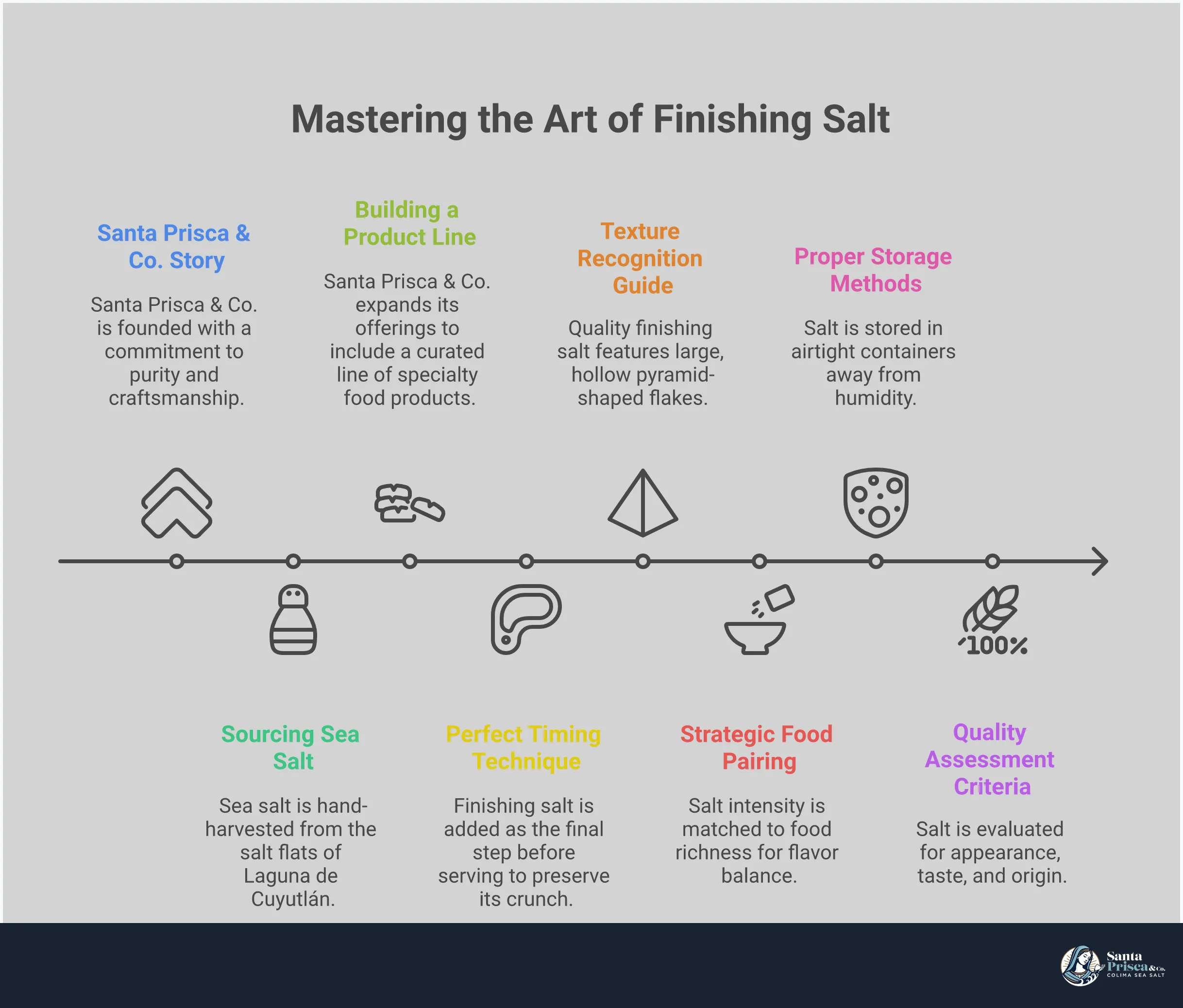
The secret to finishing salt is all in the timing. This is the very last ingredient you should add, sprinkled over your dish just moments before it reaches the table. Adding it too early, especially to hot or wet food, will cause the delicate flakes to dissolve, and you’ll lose that signature texture. The goal is to preserve the crisp, satisfying crunch of each crystal, allowing it to provide a bright burst of flavor the moment you take a bite. It’s a practice in patience that rewards with every mouthful.
Perfect Pairings for Meat, Seafood, and Vegetables
The beauty of a large flake salt lies in its structure. The broad, delicate crystals provide a gentle crunch and a clean, mineral-forward saltiness that enhances food without overpowering it. Imagine a perfectly seared steak, its rich flavor punctuated by the crisp texture of salt flakes. Or picture simple roasted asparagus, transformed by a final scattering of glistening crystals. It’s a perfect match for grilled fish, ripe avocado, fresh salads, and even a simple slice of buttered bread, adding a layer of texture that makes familiar foods feel new again.
A Surprising Twist for Desserts and Baked Goods
One of the most delightful ways to use finishing salt is with sweets. A sprinkle of flaky salt can deepen and intensify the flavor of chocolate, balance the sweetness of caramel, and add a sophisticated touch to your favorite baked goods. Try adding a pinch to dark chocolate brownies right out of the oven or scattering a few flakes over a batch of classic chocolate chip cookies. The contrast between sweet and salty creates a complex, layered flavor that is truly special and wonderfully satisfying.
Common Mistakes to Avoid
A common misunderstanding is using flaky finishing salt in place of finer salt during the cooking process. Because of their irregular shape and size, these flakes don't dissolve evenly, which can lead to pockets of intense saltiness in a sauce, soup, or batter. Reserve your fine-grain sea salt for seasoning as you cook, and let your beautiful finishing salt shine in its intended role: as the final, textural flourish that makes a dish complete. Honoring its purpose ensures you get the best experience from this incredible ingredient.
A Guide to the Best Finishing Salts
Think of finishing salts as the final, thoughtful brushstroke on a painting—that last touch that brings everything into focus. Each type has its own story, texture, and personality, shaped by the water it came from and the hands that harvested it. Exploring them is a beautiful way to add nuance and depth to your cooking. Here are a few of the most beloved finishing salts from around the world, each with a unique character.
Santa Prisca & Co. Colima Sea Salt
Our own Colima Sea Salt is a true expression of its origin. Hand-harvested from the ancient salt flats of Colima, Mexico, its flavor is clean, bright, and full of a subtle mineral complexity that comes from being naturally filtered through volcanic earth. Because it’s completely unrefined, it retains the trace minerals that are often stripped from processed salts. This is why so many cooks prefer unrefined sea salt for its pure taste and connection to nature. Its crisp, delicate flake dissolves slowly, offering a gentle crunch and a lingering burst of flavor that brightens everything it touches, from a simple avocado to a perfectly seared fish.
Maldon Sea Salt
Hailing from the coastal town of Maldon in Essex, England, this salt is famous for its distinctive, hollow pyramid-shaped crystals. Maldon has a very clean, mild flavor that is less intensely salty than many other varieties. Chefs around the world adore it because its delicate crunch and quick-dissolving nature provide a savory kick without overpowering the dish. Its unique texture makes it a visual and sensory delight. Sprinkle it over a finished steak, a simple tomato salad, or even a rich chocolate brownie to add a crisp flake that lingers on the tongue.
Fleur de Sel
Meaning "flower of salt" in French, Fleur de Sel is one of the most prized and delicate finishing salts. It’s hand-raked from the very top layer of salt ponds, typically in the coastal regions of France, where the sun and wind work their magic. These fine, light crystals have a slightly moist texture and a nuanced, almost sweet flavor that reflects the sea. While its mineral content is subtle, its true gift is its ethereal texture and taste, which melts on the tongue. It’s a luxurious final touch for delicate foods like grilled fish, fresh greens, and caramel desserts.
Cyprus Flake Salt
Known for its stunningly large, hollow pyramid flakes, Cyprus salt offers a dramatic visual appeal and a satisfyingly light crunch. Harvested from the Mediterranean Sea around the island of Cyprus, this salt is remarkably mild and clean-tasting. The unique shape of the flakes means they adhere beautifully to food and dissolve with a gentle crispness that doesn’t overwhelm the palate. It’s incredibly versatile, adding a beautiful finishing touch to roasted vegetables, baked bread, and even the rim of a cocktail glass, turning a simple dish into something truly special.
How to Spot Quality and Understand Price
When choosing a finishing salt, let your senses guide you. Look for a clean, bright appearance and a distinct crystal structure, whether it’s a delicate flake or a perfect pyramid. The price often reflects the labor-intensive, traditional methods used to harvest it. Unlike fine-grain salt, the irregular shape of flaky salt means it dissolves more slowly, creating pockets of flavor. A high-quality finishing salt should taste of its origin—clean, pure, and free from any chemical or bitter aftertaste. It’s an investment in flavor and a connection to the artisans who carefully gathered it.
The Wellness Benefits of Finishing Salt
Choosing a finishing salt is about more than just flavor; it’s an act of intention. When we sprinkle those final, delicate crystals over a dish, we’re not just seasoning—we’re connecting with the earth, honoring our ingredients, and nourishing our bodies in a more complete way. Unlike the harsh, one-dimensional saltiness of highly processed table salt, a hand-harvested finishing salt brings a story and a sense of place to your plate. It’s a simple ritual that transforms a meal from mere sustenance into a moment of gratitude.
This final touch is where the magic happens. The texture, the subtle mineral notes, and the gentle burst of flavor all contribute to a richer sensory experience. It’s a small shift in the kitchen that ripples outward, encouraging a more mindful approach to how we cook and eat. By choosing an unrefined salt, you’re embracing an ingredient in its most natural state, complete with the trace elements that speak of its origin. This simple swap is one of the easiest ways to bring a deeper sense of wellness and care to the food you share with yourself and your loved ones. It’s a celebration of purity, tradition, and the profound impact of a single, perfect ingredient.
More Than Just Salt: The Mineral Difference
Let’s talk about what sets a true sea salt apart. Standard table salt is heavily processed, stripped of its natural minerals until it’s almost pure sodium chloride. An unrefined finishing salt, like our Colima Sea Salt, is a different story entirely. Because it’s harvested by hand and gently dried by the sun, it retains a beautiful spectrum of trace minerals from the sea.
These are the elements that give the salt its unique character and subtle complexity. You’re not just getting salt; you’re getting hints of potassium, magnesium, and calcium, which our bodies need to function well. While it’s not a replacement for a nutrient-dense diet, incorporating mineral-rich salt is a thoughtful way to season your food. This comparison of sea salt and table salt highlights how minimal processing helps retain these valuable elements, offering a more wholesome alternative for your kitchen.
Enhance Flavor, Not Just Sodium
One of the most beautiful qualities of a large flake finishing salt is how it interacts with food. Instead of dissolving instantly and delivering a sharp, aggressive saltiness, the delicate, pyramid-like crystals linger on the palate. They provide a satisfying, gentle crunch and a clean, bright flavor that makes the ingredients themselves sing. A perfectly ripe tomato, a grilled piece of fish, or a simple avocado toast is transformed by this final touch.
This allows the food’s natural essence to shine through, rather than being masked by overwhelming saltiness. You’ll find that the flavor is so pure and balanced that you often need less salt than you would with a finer, processed variety. It’s a perfect example of quality over quantity, where a small pinch adds texture, visual appeal, and a burst of mineral depth that enriches the entire dish.
A Simple Addition to a Mindful Kitchen
Using a finishing salt is a beautiful, simple ritual. It’s the final gesture of care you give a dish before it’s shared, a moment to pause and appreciate the meal you’ve created. This small act encourages a more present and intentional approach to cooking. Rather than seasoning on autopilot, you’re making a conscious choice to add something special—an ingredient that is both pure and deeply connected to its source.
This practice of finishing a dish with a thoughtful sprinkle of salt can become a grounding moment in your day. It’s a reminder to slow down, to savor the textures and flavors, and to feel gratitude for the nourishment in front of you. By incorporating high-quality, mindfully sourced ingredients into your kitchen, you cultivate a deeper connection to your food and well-being. We invite you to explore our collection and discover how this simple addition can enrich your daily meals.
How to Choose and Store Your Finishing Salt
Selecting a finishing salt is an act of intention. It’s about appreciating the subtle details that transform a simple ingredient into something truly special. When you bring a high-quality salt into your kitchen, you’re inviting in the story of its origin—the sun, the sea, and the hands that gathered it. Caring for it properly ensures that its unique character shines through in every dish you create.
What to Look For: Texture and Crystal Size
The first thing you’ll notice about a true finishing salt is its structure. Look for delicate, pyramid-shaped flakes that are light and almost translucent. Unlike dense, granulated salt, these crystals are meant to stand out. They don’t dissolve instantly on contact with food. Instead, they linger, offering a satisfying, crisp texture that gives way to a clean burst of mineral flavor. This slow-dissolving quality is what makes each bite an experience, adding a final layer of complexity just before serving.
Why Source and Harvest Method Matter
Where your salt comes from and how it’s gathered has a profound impact on its flavor and nutritional value. Many commercial salts are heavily refined, stripping them of the trace minerals that occur naturally in seawater. To maximize the potential health benefits, always choose an unrefined sea salt. These salts, like our Colima Sea Salt, are harvested by hand and allowed to dry in the sun, preserving the full spectrum of minerals gifted by the earth. This careful process results in a salt with a more nuanced, less aggressive flavor.
How to Keep Your Salt Flaky and Dry
Moisture is the enemy of a delicate flake salt. To protect its signature crispness, it’s best to store your salt in a dedicated container that allows for easy access while keeping humidity out. A small wooden or ceramic salt cellar is the perfect vessel. Keep it on your counter or near your stove, so you can easily pinch a few flakes with your fingers or a small spoon. This simple ritual not only preserves the salt’s texture but also turns the act of seasoning into a mindful moment of connection with your food.
Make Your Premium Salt Last
A little finishing salt goes a long way. Because it’s used as a final touch rather than a primary seasoning during cooking, you’ll find that a single bag lasts longer than you might expect. Its potent flavor and texture mean you need less to make an impact. Use it to highlight the natural flavors of a perfectly cooked steak or roasted vegetables. Be mindful when following recipes with ingredients written in volumes, as the light, airy structure of flake salt measures very differently than dense table salt. Trust your palate and add it with intention.
Related Articles
- 5 Best 5 lb Bags of Finishing Salt Reviewed
- Sea Salt for Cooking: Types, Benefits, and How to Use It Like a Pro
- 5 Best Coarse Finishing Salts to Elevate Your Food
- Where to Buy Finishing Salt: The Complete Guide
- A Buyer's Guide to Coarse Sea Salt for Finishing
Frequently Asked Questions
Can I use finishing salt for cooking and baking? It’s best to think of finishing salt as a final, textural garnish rather than an all-purpose seasoning. Its beautiful, large flakes are designed to sit on top of food to provide a delicate crunch and a burst of clean flavor. If you add it during the cooking process, the flakes will dissolve and you’ll lose that special texture. For seasoning sauces, soups, or baking batters, a fine-grain sea salt is a much better choice for even distribution.
What makes unrefined sea salt a better choice than regular table salt? The difference really comes down to the process. Common table salt is heavily refined, which strips it of its naturally occurring trace minerals, leaving behind almost pure sodium chloride. An unrefined salt like our Colima Sea Salt is simply harvested and sun-dried, so it retains a whole spectrum of minerals from the sea. This not only contributes to a more complex and nuanced flavor but also makes it a more complete, wholesome ingredient for your kitchen.
Why is a hand-harvested salt like this more expensive? The price reflects the incredible care and traditional craftsmanship that goes into every bag. Unlike industrial salts produced by machines, our salt is gathered by hand by skilled artisans who have been practicing their craft for generations. This gentle, patient method preserves the delicate structure of each flake and supports the local community and their sustainable practices. You are truly investing in a product that honors both people and the planet.
I'm new to finishing salt. What's a simple way to start using it? The best way to appreciate the magic of a finishing salt is to try it on something simple where its texture and flavor can truly shine. Sprinkle a few flakes over a perfectly ripe avocado, fresh tomato slices drizzled with olive oil, or even a square of high-quality dark chocolate. This allows you to experience that satisfying crunch and clean, mineral-rich taste without any competing flavors.
How does Colima sea salt compare to something like pink Himalayan salt? While both are wonderful, mineral-rich salts, their origins and textures give them very different roles in the kitchen. Pink Himalayan salt is a rock salt mined from ancient salt beds, which gives it a hard, crystalline structure that’s great for grinding. Our Colima salt is a sea salt, harvested from evaporated seawater. This creates a light, hollow, and delicate flake that is specifically designed to be a finishing touch, providing a gentle crunch that melts on the tongue.