
Coarse Sea Salt in Bulk: A Buyer's Guide
Written By Santa Prisca & Co Staff Last updated on
Every salt crystal tells a story of the place it came from. It speaks of the sun, the water, and the hands that gently harvested it. When you choose a salt, you’re choosing a story. Bringing that salt into your home in a larger quantity is a way to honor that tradition and make it a permanent part of your kitchen narrative. Investing in coarse sea salt bulk from an artisanal source like the salt flats of Colima connects you directly to a legacy of craftsmanship. It ensures the ingredient you rely on daily is not just a seasoning, but a piece of a culture, rich with history and integrity.
Key Takeaways
- Prioritize Purity Over Processing: Choose unrefined sea salt that is free from additives and retains its natural trace minerals. This not only provides a more complex, nuanced flavor but also connects you to a purer, more traditional way of seasoning your food.
- Match the Salt to the Moment: Treat different sea salts like spices, each with a unique texture and purpose. Use a coarse, crunchy salt to add a finishing pop to hearty dishes, and reserve delicate flakes for salads or desserts, turning the simple act of seasoning into a thoughtful ritual.
- Honor Your Salt with Proper Storage: To preserve the delicate texture and mineral integrity of your sea salt, store it with intention. Keep it in an airtight glass or ceramic container in a cool, dry place to protect it from moisture and ensure every pinch is as fresh as the day it was harvested.
What Makes Coarse Sea Salt "Premium"?
When you see the word "premium" next to an ingredient as simple as salt, it’s natural to wonder what that really means. It’s not about being fancy. It’s about a return to tradition, a connection to the earth, and an appreciation for purity. A premium sea salt tells a story of its origin—of the sun, the sea, and the hands that gathered it.
Unlike the uniform, stripped-down salt you find in most shakers, a truly exceptional coarse sea salt is celebrated for what it holds within its crystals. It’s a story of a gentle, time-honored harvest that preserves the salt’s natural structure and integrity. It’s about the rich, complex flavor that comes from a full spectrum of trace minerals. And it’s about understanding how this pure, unrefined seasoning is fundamentally different from its highly processed counterpart, table salt. Let's explore what sets it apart.
How It's Harvested by Hand
The journey of a premium sea salt begins with a patient and intentional harvest. Imagine shallow salt ponds, or salinas, shimmering under the sun. For generations, skilled artisans known as salineros have worked in harmony with nature, using traditional tools to gently rake and gather the salt crystals as they form. This artisanal method is a slow, careful practice that honors the natural evaporation process.
This human touch ensures that the delicate, crystalline structure of the salt remains intact, giving it a characteristic crunch and clean flavor. It stands in stark contrast to industrial operations where salt is aggressively mined and processed by machines. Hand-harvesting is a testament to tradition and a commitment to preserving the salt in its most natural state.
Why Minerals Matter
The real treasure of a premium sea salt lies in what it retains. When salt is left unrefined, it holds onto a beautiful array of trace minerals from the sea—magnesium, potassium, and calcium, to name a few. These minerals do more than just support our body’s balance and hydration; they contribute to a more nuanced and complex flavor profile. Instead of a single, sharp note of saltiness, you get a subtle depth that enhances food without overpowering it.
Furthermore, this salt is pure. It’s free from the anti-caking agents, bleaching agents, and other additives commonly found in processed table salt. What you’re tasting is simply the essence of the ocean, concentrated by the sun into a perfect, crystalline form.
The Difference from Table Salt
Many people believe sea salt is a "healthier" option because it contains less sodium, but this is a common misconception. By weight, most sea salts and table salts contain a similar amount of sodium. The true distinction lies in the processing and composition. As a source from Medical News Today explains, the nutritional value is nearly identical.
The difference is what’s been stripped away from table salt. During its heavy processing, table salt loses its beneficial trace minerals. What’s left is a stark, one-dimensional saltiness. In contrast, the minerals in unrefined sea salt give it a gentler, more rounded flavor and a satisfying texture that adds a finishing touch to any dish. Choosing a premium sea salt is about choosing flavor, purity, and a connection to a more natural way of eating.
A Guide to the World's Best Sea Salts
Every salt crystal tells a story of its origin—the sun it dried under, the water it came from, and the earth it touched. Just like wine, salt has a terroir that gives it a unique personality, flavor, and texture. Understanding these differences can transform your cooking from a daily task into a mindful practice.
Exploring the world’s sea salts is a beautiful way to connect with different cultures and landscapes right from your own kitchen. Each one offers a distinct experience. A salt harvested from the coast of France will taste and feel completely different from one gathered from a sun-drenched lagoon in Mexico. Choosing the right one for your dish is an act of intention, a small ritual that honors the ingredients and the meal you’re about to create. Let’s explore a few of the most cherished sea salts from around the globe.
Mexican Colima Sea Salt
Harvested by hand from the Cuyutlán Lagoon, Colima Sea Salt is a true treasure of the Mexican Pacific coast. This salt gets its character from a unique, natural filtration process through volcanic earth, which infuses it with a rich profile of essential minerals. The result is a coarse, crisp flake with a clean, balanced flavor and a subtle mineral depth that doesn't overpower food. It’s incredibly versatile, perfect for seasoning grilled meats, finishing a fresh salad, or adding a bright note to a simple avocado toast.
Mediterranean Sea Salt
Think of Mediterranean sea salt as the workhorse of a conscious kitchen. Typically harvested from the sun-drenched coasts of Italy or Spain, this salt is known for its bright white crystals and clean, pure flavor. It has a lower moisture content than other sea salts, making it easy to pinch and sprinkle. Its straightforward salinity makes it a wonderful all-purpose salt for seasoning pasta water, roasting vegetables, or preparing marinades. It brings a taste of the Mediterranean sun to any dish it touches.
Celtic Sea Salt
Gathered from the coastal regions of France, Celtic sea salt is immediately recognizable by its beautiful grey color and moist, dense texture. This salt is harvested using traditional Celtic methods, where it’s allowed to crystallize in clay-lined ponds. The clay imparts a wealth of minerals and gives the salt its signature hue and briny, complex flavor. Its moisture helps it dissolve slowly, making it an excellent choice for slow-cooked dishes, hearty stews, and for seasoning root vegetables before roasting.
Fleur de Sel
Often called the “caviar of salts,” Fleur de Sel is one of the most delicate and prized salts in the world. Its name translates to “flower of salt,” a nod to the way it’s carefully raked from the very surface of salt ponds in France. These light, flaky crystals are harvested only on warm, sunny days before they can sink to the bottom. Because of its delicate structure and subtle flavor, Fleur de Sel is almost exclusively used as a finishing salt. A gentle sprinkle over a finished dish adds a whisper of salinity and a delightful, crisp texture.
How to Pair Flavors with Your Dishes
Using different sea salts is an intuitive process that begins with paying attention. Notice the texture of the crystals in your fingers. A coarse, crunchy salt like Colima is perfect for sprinkling over a steak just before serving, adding a satisfying textural pop with each bite. A delicate, flaky salt like Fleur de Sel is better suited for a simple green salad, sliced tomatoes, or even a chocolate dessert, where it can dissolve gently on the tongue. Think of salt not just as a seasoning, but as a final, thoughtful layer of flavor and texture.
How to Choose the Right Bulk Sea Salt
Choosing a sea salt is more than just a line on a grocery list; it’s an intentional act that honors your food, your body, and the earth. When you decide to bring salt into your kitchen in bulk, you’re creating a lasting relationship with a foundational ingredient. But with so many options, how do you find the one that truly resonates with your cooking and wellness values? It begins with looking beyond the price tag and connecting with the salt’s character—its purity, its story, and its very essence.
Think of this as a quiet moment of curation for your pantry. You’re not just stocking up; you’re investing in flavor, nutrition, and the craft of artisans. The right bulk sea salt will become a trusted friend in your kitchen, a consistent source of mineral-rich flavor that turns simple meals into moments of nourishment and gratitude. This guide will help you look for the subtle signs of quality and make a choice that feels right for your home.
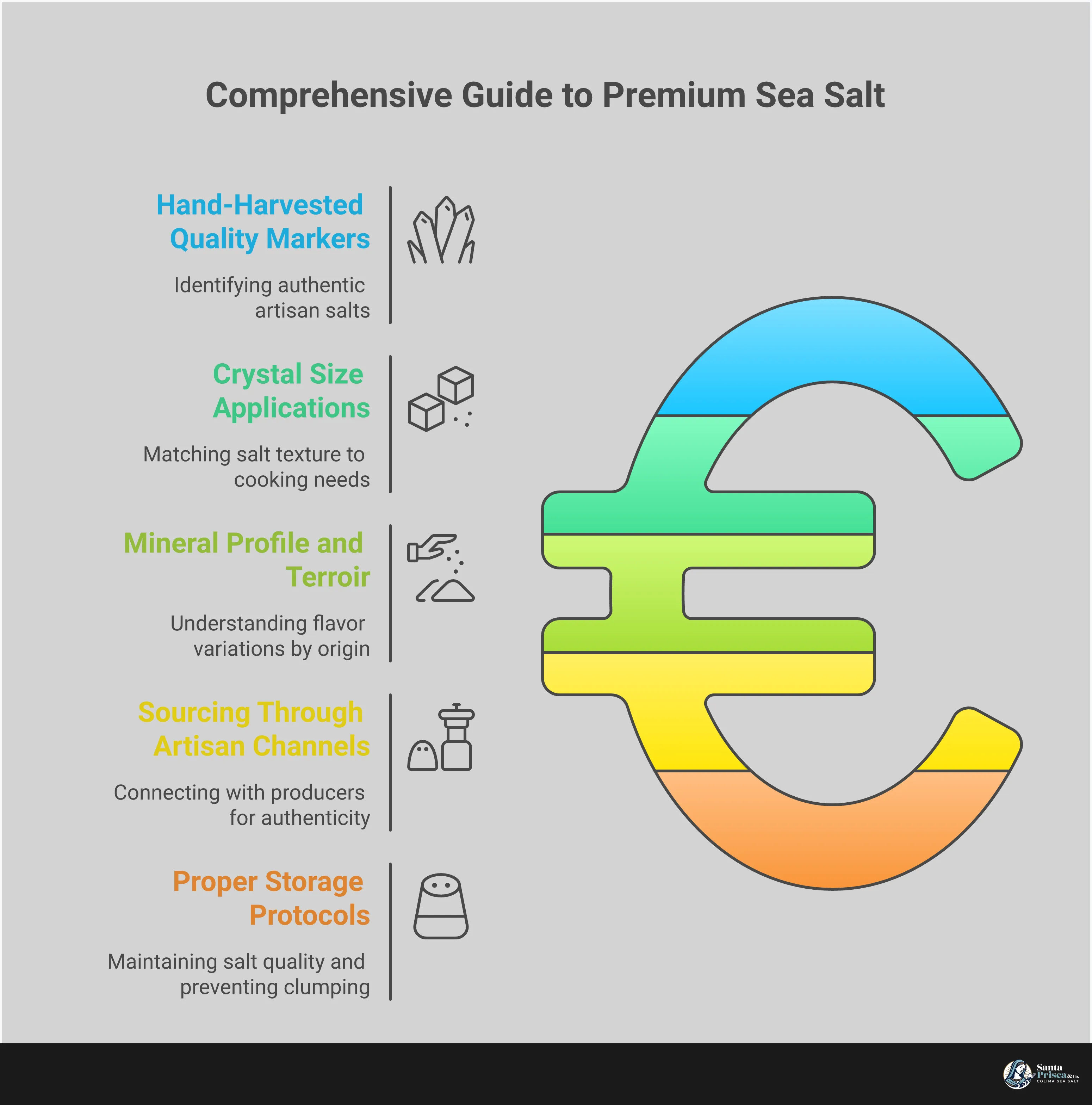
Look for Purity and Quality
The first sign of an exceptional sea salt is its simplicity. Look for a clean, crystalline appearance and a list of ingredients that contains only one thing: sea salt. True, unrefined sea salt doesn't need anything else. It should be free from the anti-caking agents, bleaching chemicals, and other additives found in common table salt. This purity is what allows the salt’s natural character to shine through, offering a complex flavor and a full spectrum of trace minerals. When you choose a pure salt like our Colima Sea Salt, you’re choosing an ingredient as nature intended.
Know Its Origin Story
Every great salt has a story. Just as the terroir of a vineyard shapes a wine, the environment where a salt is harvested imparts a unique flavor and mineral profile. Where did it come from? Was it hand-raked from ancient salt flats in Colima or gathered from the rocky coasts of the Mediterranean? Understanding the origin of your ingredients connects you to the place and the people behind them. This knowledge transforms the simple act of seasoning into a practice of appreciation, adding a layer of meaning to every dish you create.
Find the Right Size for Your Pantry
Bringing sea salt into your home in bulk is a beautiful commitment, so it’s important to find a quantity that matches the rhythm of your kitchen. Consider how you cook. Are you a passionate home chef who reaches for a pinch of finishing salt for every meal, or a restaurant owner stocking a professional pantry? Choosing the right size ensures your salt remains fresh and potent. Explore the different package sizes available to find the perfect fit, whether it’s a small jar for the countertop or a larger bag for refilling.
Understand Minimum Orders
When you buy directly from artisanal producers or specialty distributors, you may encounter minimum order requirements. This is a common practice, especially for small businesses that pour their hearts into their craft. These minimums help them operate sustainably and continue their traditional harvesting methods. If you’re a chef, retailer, or simply a salt enthusiast looking to stock up, it’s worth exploring a producer’s wholesale program. It’s often the most direct way to support their work while bringing exceptional quality into your own kitchen or business.
Plan for Proper Storage
Once you’ve chosen your salt, you’ll want to protect its delicate texture and mineral integrity. Unrefined sea salt is beautifully raw, which means it’s sensitive to moisture. Proper storage is key to preserving that crisp, clean flake. Keep your salt in a cool, dry place away from humidity. A simple wooden or ceramic salt cellar is perfect for keeping a small amount on your counter for daily use. This simple kitchen ritual not only keeps your salt fresh but also makes seasoning your food a more mindful, tactile experience.
Where to Find Authentic Bulk Sea Salt
Sourcing pure, unrefined sea salt in bulk can feel like searching for a hidden treasure. The journey is about more than just finding a good price; it’s about connecting with the story behind the salt and ensuring its integrity from harvest to your kitchen. Where you buy your salt is just as important as the salt itself. Whether you’re a home cook stocking your pantry, a chef sourcing for your restaurant, or an artisan maker, here are the most reliable paths to finding authentic sea salt.
Go Direct to Artisanal Producers
There’s a special kind of trust that comes from buying directly from the people who harvest the salt. When you connect with artisanal producers, you get more than just a product; you get transparency and a story. You can learn about the traditional methods used, the specific ecosystem of the salt flats, and the hands that gathered each crystal. This direct line ensures you’re receiving a truly unrefined product, rich in natural minerals and free from additives. It’s the best way to guarantee the salt’s journey is as pure as its flavor, whether you’re using it to finish grilled meats or create nourishing body scrubs.
Explore Specialty Food Distributors
For those who need consistent quality on a larger scale, specialty food distributors are an excellent resource. These companies have already done the work of vetting producers from around the world, curating a selection of high-quality, natural ingredients. They often source from renowned regions known for their exceptional sea salt, ensuring each batch meets a high standard of purity and flavor. This path is ideal for chefs and small food businesses who value reliability and want access to premium ingredients without having to manage relationships with dozens of individual producers. It’s a trusted middle ground that combines quality with convenience.
Shop Curated Online Marketplaces
The digital world offers an abundance of choices, but it requires a discerning eye. Curated online marketplaces can be a great place to discover different types of sea salt, from fine crystals to coarse flakes. The key is to shop with intention. Read product descriptions carefully, looking for details about the salt’s origin, harvesting methods, and mineral content. Pay attention to brands that share their story and are transparent about their sourcing. While the selection can be vast, focusing on sellers who prioritize quality over quantity will help you find authentic sea salt that truly enhances your food and wellness rituals.
Inquire About Wholesale Programs
If you use sea salt regularly in your kitchen or business, buying through a wholesale program is the most mindful and economical approach. Many artisanal producers and specialty distributors offer wholesale programs for those looking to purchase in larger quantities. This not only provides better pricing but also helps you build a relationship with a supplier you trust. Don’t hesitate to reach out to a brand you admire to ask about their offerings for chefs, restaurants, or retailers. It’s a simple step that can provide your business with a consistent supply of exceptional sea salt while supporting sustainable and ethical practices.
What to Expect for Pricing
Authentic, hand-harvested sea salt is an investment in quality, and its price reflects the incredible amount of labor and care that goes into its production. Unlike mass-produced table salt, its value lies in its rich mineral profile, pure flavor, and the traditional methods behind it. When buying in bulk, you might see minimum order requirements, often starting around $150, with individual bags priced accordingly. Think of the cost not as an expense, but as an honoring of the craft. You are paying for a product that is free of anti-caking agents and additives, and one that supports the communities that have perfected this ancient tradition.
What's the Real Value of Buying in Bulk?
Buying in bulk is more than just a transaction; it's a commitment. It’s a way to ensure your pantry is always stocked with the foundational ingredients that nourish you and your family. When it comes to an element as essential as salt, choosing to buy a larger quantity means you’re investing in quality that will last. It simplifies your kitchen rituals, knowing that the pure, mineral-rich salt you love is always within reach. This mindful approach to stocking your kitchen not only often brings financial savings but also deepens your connection to the ingredients you use every day. It’s about honoring the source and ensuring that the heart of your cooking—flavor and wellness—is consistently cared for. By thinking ahead, you reduce packaging waste and create a more sustainable rhythm in your home.
Compare Package Sizes
Artisanal sea salts are offered in various sizes to suit every kitchen's needs. You might find small jars perfect for gifting or tasting, alongside larger pouches and bags for daily use. For those who cook with intention every day or for chefs and bakers, larger quantities are a practical choice. When you explore our collection, think about your personal rhythm in the kitchen. A larger bag can be a beautiful and grounding presence in your pantry, a quiet promise of many flavorful meals to come. Choosing the right size is the first step in making a mindful investment in your culinary staples.
Find Bulk Purchase Discounts
One of the most tangible benefits of buying in larger quantities is the savings. Many producers, especially small-scale artisans, appreciate the commitment of a bulk purchase and offer better pricing for it. This is especially true for restaurants, caterers, or small food businesses that rely on consistent, high-quality ingredients. If you run a business or simply use a lot of salt in your home kitchen, it’s always worth exploring wholesale inquiries. This direct relationship with the producer not only supports their craft but also ensures you receive the best value for a truly premium product.
Factor in Shipping Costs
When you’re purchasing a heavier item like salt in bulk, it’s wise to consider the cost of shipping. The final price isn't just what's on the label; it includes getting that beautiful product safely to your door. Some suppliers may have specific policies for larger or international orders that can affect the total. Take a moment to review the shipping details before you finalize your purchase. A transparent producer will make this information clear, allowing you to make a fully informed decision. This little bit of planning ensures there are no surprises and that your investment feels good from start to finish.
Explore "Subscribe and Save" Options
For an ingredient you use daily, a subscription can be a wonderful way to simplify your life. Many online purveyors offer "subscribe and save" programs that provide both convenience and a small discount. It’s like setting up a gentle rhythm, where your favorite sea salt arrives at your doorstep just as you need it. This approach means one less item on your shopping list and the quiet assurance that your pantry will never be without its most essential seasoning. It’s a simple ritual that supports your commitment to cooking with high-quality, nourishing ingredients without a second thought.
How to Use Coarse Sea Salt
Bringing a high-quality coarse sea salt into your life is an invitation to connect more deeply with your food and daily rituals. Its versatility extends far beyond the salt shaker, offering a beautiful texture and mineral depth that can transform simple moments into something special.
In Your Home Kitchen
Think of coarse sea salt as the final, thoughtful touch to a dish you’ve prepared with care. A gentle sprinkle over a fresh salad, roasted vegetables, or a perfectly cooked steak just before serving adds a delicate, satisfying crunch. The larger crystals dissolve slowly on the tongue, releasing a clean, bright salinity that awakens the other flavors on the plate. This simple act of finishing a dish with a pinch of Colima Sea Salt is a small ritual that honors the ingredients and the meal you are about to enjoy.
For Chefs and Restaurants
In a professional kitchen, control and consistency are everything. Chefs often prefer coarse sea salt because its texture provides a more pronounced and even seasoning for fish, poultry, and meats. The crystals adhere beautifully to surfaces, creating a perfect crust and ensuring the flavor penetrates without being overwhelming. It’s a testament to how a pure, unrefined salt can respect the integrity of the ingredients it seasons. For culinary professionals looking to source ingredients with a story, we invite you to explore our wholesale program.
In Artisan Food Production
The magic of a good salt is its ability to create balance. Artisan bakers and chocolatiers understand this well, using coarse sea salt as a counterpoint to sweetness in their creations. A few crystals scattered atop a dark chocolate cookie or swirled into a rich caramel can cut through the richness, adding a surprising and welcome layer of complexity. This thoughtful touch is what distinguishes a good pastry from a truly memorable one, enhancing the overall flavor profile and creating a more dynamic experience for the palate.
For Your Wellness Rituals
Beyond the kitchen, the mineral-rich nature of coarse sea salt lends itself to grounding wellness practices. Create a simple, restorative ritual by adding a handful of sea salt to a warm bath. The minerals can help soften the skin, while the simple act of soaking encourages a moment of quiet and relaxation. You can also blend it with a carrier oil like coconut or jojoba to create a gentle body scrub for light exfoliation. It’s a beautiful way to connect with a pure, earthy element and care for your body.
How to Store Your Sea Salt to Preserve Its Quality
When you bring home a beautiful, unrefined sea salt, you’re holding something precious. Each crystal carries the essence of its origin—the sun, the sea, and the earth. Honoring that journey means storing it with intention. Proper storage isn’t just about preventing clumps; it’s about preserving the salt’s vibrant mineral profile and delicate, flaky texture.
Think of it as creating a quiet, peaceful home for your salt, a place where its character can remain untouched until the moment it graces your food. With just a few simple practices, you can ensure that every pinch you take is as fresh and flavorful as the day it was harvested. This small act of care is a beautiful way to extend gratitude to the artisans and the earth that provided this simple, profound ingredient for your kitchen.
Create the Ideal Environment
Your sea salt thrives in a calm, consistent environment. The best place for it is a cool, dry spot away from direct sunlight and humidity, like a pantry or a kitchen cabinet. Try to avoid storing it right next to your stove or above a steaming kettle. Just as we feel better in a stable climate, your salt maintains its integrity when it’s not exposed to constant shifts in temperature and moisture. This simple step protects the delicate structure of the salt crystals, ensuring they retain their signature crunch and clean, bright flavor for months and even years to come.
Keep Moisture Out
Moisture is the natural enemy of pure, unrefined sea salt. When exposed to humidity, those beautiful, distinct crystals can begin to weep and cling together, forming dense clumps that are difficult to use. To prevent this, always store your salt in a container that seals out dampness. While the bag your salt arrives in is great for transport, materials like paper or cardboard can absorb moisture over time. Transferring your salt to a proper vessel is a simple ritual that safeguards its texture and ensures it’s always ready to sprinkle.
Choose the Right Containers
The vessel you choose for your salt is more than just storage—it’s part of the daily ritual of cooking. The right container protects the salt while making it a joy to use. Look for materials that are non-porous, like glass, ceramic, or even a traditional wooden salt cellar. A well-sealed glass jar allows you to admire the salt’s crystalline beauty, while a small ceramic pot with a lid can sit beautifully on your counter for easy access. Choosing a container you love turns the simple act of seasoning into a moment of mindful connection with your ingredients.
Tips for Long-Term Freshness
If you’ve invested in a generous bulk supply of sea salt, a little extra care will ensure every pinch is as perfect as the first. For larger quantities, consider storing the bulk of your salt in a large, airtight glass container or food-grade bucket in a cool, dark pantry. You can then refill a smaller, more accessible container for daily use. This method minimizes the salt’s exposure to air and humidity. For those who want the ultimate preservation, Mylar bags offer excellent protection against moisture and air, keeping your salt pristine for an extended period.
Your Checklist for Choosing the Perfect Sea Salt
Choosing a sea salt is an intentional act. It’s about more than just flavor; it’s about connecting with your food, its source, and the traditions behind it. When you select a salt with care, you bring a deeper sense of nourishment and story to your table. Think of this as your personal guide to finding a sea salt that resonates with your cooking style and your values, turning a simple seasoning into a meaningful kitchen ritual.
Consider the Crystal's Texture
The texture of a salt crystal is where its magic begins. Feel it between your fingertips. Is it a delicate, paper-thin flake or a sturdy, glistening crystal? Each has its purpose. A coarse sea salt offers a satisfying crunch and a bright burst of salinity when sprinkled over a finished dish. This makes it an ideal finishing salt for everything from a simple avocado toast to a perfectly seared steak. Finer grains, on the other hand, dissolve more readily, making them perfect for baking or seasoning soups and sauces from within. Let the texture guide you—it’s the first step in understanding how the salt will interact with your food.
Check the Mineral Profile
True sea salt is a reflection of the ocean it came from, holding a wealth of trace minerals that refined table salt has lost. When you choose an unrefined salt, you’re choosing a product free from anti-caking agents and other additives. Instead, you get the pure, unadulterated taste of the sea. These natural minerals, like magnesium and potassium, not only contribute to a more complex and nuanced flavor but also support your body’s hydration and wellness. Look for salts with a story, like our Colima Sea Salt, which is naturally filtered through volcanic earth, enriching its mineral depth.
Match the Salt to the Dish
Just as you’d choose a specific herb or spice, think about how your salt can complement your dish. A robust, coarse salt stands up beautifully to hearty foods, adding flavor and a delightful crunch to roasted meats and vegetables. A more delicate flake can be the perfect final touch on salads, grilled fish, or even a dark chocolate dessert, where it draws out sweetness without overpowering it. Don’t be afraid to play. The best way to learn is to taste. Let your palate be your guide as you explore different pairings and discover what brings you the most joy in the kitchen.
Look for Signs of Quality
A high-quality sea salt tells a story of its origin. Look for slight, natural variations in color—a soft grey, a pale pink, or an off-white can indicate a rich mineral presence. The salt should have a clean, fresh aroma, reminiscent of the ocean breeze. Most importantly, understand where it comes from. When you choose a salt from producers who honor traditional, hand-harvesting methods, you are supporting a legacy of craftsmanship and sustainability. This connection is what transforms an everyday ingredient into something truly special. It’s a simple way to bring more intention and gratitude to your cooking.
Related Articles
- What is Colima Sea Salt? A Complete Guide
- Colima Sea Salt Benefits | Health & Flavor Guide
- Choosing the Best Sea Salt: A Chef's Guide
- 5 Best Places to Buy Colima Sea Salt Online
- Colima Sea Salt Guide: Top Brands, Uses & Benefits
Frequently Asked Questions
Is unrefined sea salt really that different from the salt in my shaker? Yes, the difference is something you can truly taste and feel. Think of it less as a simple seasoning and more as a whole ingredient. The salt in a typical shaker has been heavily processed, stripping it of its natural minerals and leaving behind a sharp, one-dimensional saltiness. An unrefined sea salt, like our Colima salt, retains a beautiful spectrum of trace minerals from the sea, which gives it a more complex, nuanced flavor and a satisfying, crisp texture.
I'm new to using different salts. Does it really matter which one I use? It absolutely does, but the best way to learn is to trust your own palate. A great place to start is by using a coarse, flaky salt as a "finishing salt." Try sprinkling a few crystals over your food right before you eat—on sliced avocado, a simple salad, or grilled fish. This allows you to experience the salt's unique texture and flavor directly. You'll quickly notice how a crunchy salt like Colima adds a bright pop, while a delicate flake like Fleur de Sel melts more gently on the tongue.
Is sea salt a "healthier" choice than table salt? While most salts have a similar amount of sodium by weight, the real distinction is in their composition. Choosing an unrefined sea salt is less about reducing sodium and more about what you are adding to your food. Because it isn't stripped of its natural properties, it contains trace minerals like magnesium and potassium that support the body's balance. You are also avoiding the anti-caking agents and other additives commonly found in processed table salt, making it a purer choice for your kitchen.
My coarse sea salt is starting to clump. What does that mean and how can I stop it? Clumping is actually a good sign! It means your salt is completely natural and free from the anti-caking chemicals that are added to most table salts to keep them free-flowing. Unrefined sea salt will naturally draw moisture from the air. To prevent this, simply store your salt in a container with a well-fitting lid made from a non-porous material like glass, ceramic, or wood. Keeping a small salt cellar on your counter for daily use is a perfect way to keep it fresh and accessible.
Why is artisanal sea salt more of an investment than regular salt? The price of a hand-harvested sea salt reflects the incredible care, time, and tradition that goes into producing it. Unlike industrial salt that is mined by machines, artisanal salt is gathered by skilled salineros who work in harmony with the sun and sea. This gentle, patient process preserves the salt's delicate crystal structure and rich mineral profile. When you choose a salt like this, you are honoring an ancient craft and supporting the communities that keep these sustainable traditions alive.