
Where to Buy Finishing Salt: A Simple Guide
Written By Santa Prisca & Co Staff Last updated on
Some of the most profound changes in the kitchen come from the smallest shifts. Swapping your everyday table salt for a beautiful, hand-harvested finishing salt is one of them. It’s an accessible luxury that transforms simple meals into something special. A pinch of flaky, mineral-rich salt can make a humble egg feel like a gourmet breakfast and turn a simple salad into a memorable dish. It’s not about becoming a chef; it’s about cooking with more intention and finding more joy in the food you prepare every day. This simple pantry upgrade is one of the easiest ways to bring more artistry to your cooking. If you’re ready to make this change, let’s talk about where to buy finishing salt. We’ll cover everything from small-batch artisans to trusted online retailers.
Key Takeaways
- Choose salt for character, not just saltiness: A true finishing salt is an unrefined ingredient that adds a final layer of texture and complex mineral flavor, while processed table salt is used simply to make food salty.
- Apply it at the end for the best experience: To preserve its signature crunch and pure flavor, sprinkle finishing salt over your food right before serving. This keeps the delicate crystals from dissolving during the cooking process.
- Look for purity and a sense of place: The best finishing salts are unrefined, free of additives, and have a clear origin story. Choosing a hand-harvested salt ensures you’re getting a product with a richer, more natural mineral profile.
What's the Difference Between Finishing Salt and Table Salt?
If you’ve ever wondered what separates the salt in your grandmother’s shaker from the beautiful, crystalline flakes in a chef’s kitchen, the answer is simple: intention. The salt we grew up with, table salt, is a highly processed product, refined and stripped of its natural character. A finishing salt, on the other hand, is salt in its purest form—harvested with care and left unrefined to preserve its unique texture, flavor, and mineral content.
Think of it this way: table salt is a blunt instrument, adding a sharp, one-dimensional saltiness. A finishing salt is a true ingredient, one that adds a final layer of complexity and sensory delight to a dish. It’s the difference between simply seasoning your food and truly completing it with a touch of nature’s artistry. Choosing to cook with a finishing salt is a small, mindful act that honors both the ingredient and the meal you’re about to enjoy.
Feel the Difference: Texture and Crystal Shape
The first thing you’ll notice about a finishing salt is its feel. Run your fingers through a bowl of Colima Sea Salt and you’ll find a collection of unique, imperfect crystals. Some are delicate and flaky, others are crisp and substantial. This is because finishing salts are allowed to form naturally, creating varied shapes that catch the light.
Table salt, by contrast, is processed into uniform, tiny cubes designed to flow freely from a shaker. This difference in structure is everything. The irregular flakes of a finishing salt don’t just dissolve on contact; they linger on the palate, offering a satisfying crunch and a gentle burst of salinity that enhances each bite. It’s a textural experience that processed salt simply cannot replicate.
A Taste of Place: Flavor and Mineral Content
A true finishing salt carries the essence of its origin. The flavor is a direct reflection of the water and earth from which it was harvested. This is because unrefined sea salts retain a wealth of trace minerals like magnesium, potassium, and calcium. This natural sea salt composition creates a rounder, more complex flavor profile that is subtly sweet and never harsh.
Table salt is a different story. It’s refined to be almost 100% sodium chloride, stripping away all of those beneficial minerals. Often, anti-caking agents are added to prevent clumping, and iodine is added for nutritional fortification. The result is an aggressive, purely chemical saltiness that can easily overpower your food rather than complementing its natural flavors.
More Than Flavor: The Wellness Aspect of Unrefined Salts
Choosing an unrefined finishing salt is about more than just taste—it’s a conscious decision for your well-being. The trace minerals naturally present in salts like ours are essential for proper hydration and electrolyte balance. When you season your food with a pure, unrefined salt, you’re giving your body minerals in a form it can easily recognize and use.
By avoiding the additives and anti-caking agents found in processed table salt, you are embracing a cleaner, more intentional way of eating. It’s a simple kitchen ritual that connects you more deeply to your food and its source. This small upgrade is a beautiful way to bring more mindfulness to your cooking and nourish your body from the inside out.
Finishing Salts Every Home Cook Should Know
Have you ever wondered what gives a restaurant dish that final, perfect touch? It’s often not a complex sauce or an exotic ingredient, but a simple, intentional pinch of salt. Not just any salt, though. We’re talking about finishing salts—the beautiful, textural crystals you sprinkle on food right before it’s served. Unlike the fine-grained salt you use during the cooking process to build flavor from within, a finishing salt is all about the final sensory experience. It’s the crisp flake that lingers on your tongue, the subtle mineral depth that brightens a fresh vegetable, and the visual sparkle that makes a dish feel complete.
Think of finishing salts as the jewelry of the culinary world. Each one has a unique origin story, a distinct crystal structure, and a personality all its own. Exploring them is an invitation to slow down and appreciate the nuances of flavor and texture. It’s a simple practice that connects you more deeply to your food and the ingredients you choose. From delicate, pyramid-shaped flakes to mineral-rich pink crystals, the right finishing salt can transform a simple meal into a memorable moment. It’s one of the easiest ways to bring a touch of intention and artistry to your home cooking, honoring the food you’ve prepared with a final gesture of care.
Delicate Flake Salts
Imagine a salt crystal so light and delicate it shatters between your fingertips. That’s the magic of flake salt. These are salts with a broad, flat, or pyramid-like structure, prized for their remarkable texture. When you sprinkle them over a finished dish, they don’t just dissolve instantly. Instead, they provide a delightful, satisfying crunch that gives way to a clean, bright burst of salinity. Their unique shape is often the result of a slow evaporation process, creating a salt that is as beautiful to look at as it is to eat. A pinch of flake salt is the perfect final touch for a perfectly seared steak, a simple garden salad, or even your favorite chocolate chip cookies.
Fleur de Sel and Sel Gris
Travel to the coastal salt marshes of France, and you’ll find two of the world’s most treasured sea salts. Fleur de Sel, which means "flower of salt," is the rarest of all. It’s a delicate, moist salt that is carefully hand-harvested from the thin layer of crystals that form on the surface of the water. Its flavor is nuanced and complex, making it ideal for sprinkling over delicate foods like fish, eggs, and fresh vegetables. Just below this prized layer lies Sel Gris, or "grey salt." This salt gets its color from the clay lining the salt pans, which infuses it with a rich concentration of minerals. Its bold, briny flavor and slightly higher moisture content make it a wonderful choice for heartier dishes like roasted meats and root vegetables.
Mineral-Rich Pink and Colored Salts
The beautiful, subtle hues found in some sea salts are a direct reflection of their origin. These colors aren’t added; they are a gift from the earth, indicating a rich presence of trace minerals. Salts like Himalayan Pink Salt or our own Colima Sea Salt get their character from the unique geology of the regions where they are harvested. Unrefined and pure, these salts offer a more complex and gentle flavor than processed table salt. They also provide a natural mineral boost, containing elements like magnesium, potassium, and calcium. Using a mineral-rich salt is a way to connect with the purity of nature and add a layer of wholesome, earthy flavor to your food.
Smoked and Infused Salts
For those who love to play with flavor, smoked and infused salts are a culinary playground. Smoked salts are created by slowly smoking sea salt over aromatic woods like hickory, mesquite, or applewood, imparting a deep, savory flavor that can make vegetables taste like they just came off the grill. It’s a wonderful way to add complexity to everything from roasted potatoes to popcorn. Infused salts take this creativity a step further, blending pure sea salt with ingredients like rosemary, lemon zest, chili, or even espresso. These salts are an effortless way to introduce another layer of aroma and taste to your cooking, turning a simple dish into something truly special.
Where to Find Premium Finishing Salt Online
The beauty of a well-stocked pantry is that it can transport you. With just a few clicks, you can bring the world’s most incredible flavors right to your kitchen. Finding a truly exceptional finishing salt online is simpler than ever, whether you’re buying directly from the source or exploring a curated collection.
Santa Prisca & Co. Colima Sea Salt
We believe the best salt comes from a place of intention and history. Our Colima Sea Salt is hand-harvested from the Cuyutlán Lagoon in Mexico, a place where tradition runs as deep as the salt flats themselves. Filtered naturally through volcanic earth, each crystal carries a story of sun, sea, and ancient soil.
This isn't just salt; it's a connection to a process honored for generations. The crisp, clean flavor and delicate flake offer a burst of mineral depth that brightens any dish it touches. When you buy directly from us, you’re not only getting pure, unrefined salt—you’re supporting the artisans who carefully gather it by hand.
Other Artisan Salt Producers
Exploring the world of artisan salt is a journey in itself. Many small producers share a deep commitment to quality and place, offering unique flavors that reflect their local environment. Companies like Jacobsen Salt Co., harvesting from the cold waters of the Oregon coast, focus on pristine sourcing and sustainable practices. Seeking out these producers allows you to discover a wide spectrum of textures and tastes while supporting businesses that value craftsmanship.
Specialty Food Retailers
Online specialty food shops are like treasure troves for the curious cook. Retailers such as The Salt Cellar curate collections of gourmet finishing salts from around the globe. These stores are wonderful resources for comparing different types of salt side-by-side, from delicate flakes to smoky crystals.
Shopping at these retailers can be a great way to learn about different origins and find a new favorite. They often provide detailed descriptions of flavor profiles and suggested uses, helping you choose the perfect salt for your next culinary creation.
Major Online Marketplaces
For convenience, some well-known finishing salts are available through larger online retailers. You can often find popular brands like Maldon Sea Salt at places like Williams Sonoma or even on Amazon. While these platforms offer accessibility, they may not always provide the story or the direct connection to the artisans behind the product. For a salt that carries a sense of place and purpose, shopping directly from producers or specialty stores often provides a more meaningful experience.
Where to Shop for Finishing Salt in Person
While the digital world offers endless options, there’s a certain magic in discovering ingredients with your own hands. Holding a jar of salt, seeing the unique shape of its crystals, and connecting with the person who sells it can deepen your appreciation for what you bring into your kitchen. It transforms shopping from a task into an experience.
When you seek out finishing salt in person, you’re not just buying a seasoning; you’re exploring. You’re stepping into spaces dedicated to the art of cooking and finding ingredients that carry a story. From well-known kitchen emporiums to the humble stall at a local market, each place offers a different path to finding that perfect, mineral-rich crystal to complete your dishes. This hands-on approach allows you to ask questions, learn about origins, and choose a salt that truly resonates with you and your cooking philosophy.
Kitchen Supply Stores
Dedicated kitchen supply stores are often the first stop for home cooks looking for quality tools and ingredients. Places like Williams Sonoma curate their selections with care, meaning you’re likely to find reliable and celebrated finishing salts on their shelves. Here, you can often find salts known for their distinct, flaky texture that adds a delicate crunch to any dish. It’s a wonderful starting point if you’re looking for a trusted, high-quality salt to begin your journey with. These stores provide a dependable foundation for building your pantry with intention.
High-End and Natural Grocery Stores
Your local natural or high-end grocery store can be a treasure trove of gourmet ingredients. Aisles dedicated to global foods or specialty items often feature a thoughtful selection of finishing salts. Retailers like Whole Foods Market are known for stocking products that appeal to conscious eaters, so you may find unrefined, mineral-rich options alongside other organic pantry staples. While the selection can vary from one location to another, the search is part of the fun. Take your time, read the labels, and see what unique salts you can uncover.
Local Gourmet Food Shops
There is a special kind of charm found only in small, local gourmet shops. These independently-owned stores are often run by passionate food lovers who carefully select every item on their shelves. Here, you might find unique artisanal salts that you won’t see anywhere else—perhaps a hand-harvested salt from a small coastal village or a rare smoked variety. Shopping in these places is a more personal experience. You can chat with the owner, learn the story behind the products, and leave with a salt that feels like a true discovery.
Farmers Markets and Artisan Stalls
For a direct connection to the source, nothing beats a farmers market. Wandering through the stalls, you can often meet the artisans themselves and hear the story of their craft firsthand. This is where you’ll find producers who are deeply committed to quality and sustainability, like Jacobsen Salt Co., which is known for its eco-friendly practices. Buying from a market stall supports small-scale producers and allows you to bring home a product that is rich not just in minerals, but in meaning and intention. It’s a beautiful way to honor the hands that harvested your food.
How to Choose a High-Quality Finishing Salt
Choosing a finishing salt is an act of intention. It’s about looking beyond the shaker of uniform white grains and connecting with an ingredient that carries the story of its origin. A truly exceptional salt doesn’t just add salinity; it adds texture, a complex mineral flavor, and a final touch of beauty to the food you’ve so thoughtfully prepared. It’s the difference between simply seasoning a dish and truly completing it.
When you begin to explore the world of artisan salts, you’ll notice they are as varied as the landscapes they come from. Some are whisper-light flakes that dissolve on the tongue, while others are crunchy crystals that provide a satisfying pop of flavor. Finding the right one is a sensory journey. It invites you to slow down and consider not just the taste, but the story, the texture, and the purity of what you’re bringing to your table. Here’s what to look for to find a salt that will elevate your cooking and nourish your body.
Look for Sustainable and Ethical Sourcing
The story of a salt begins with how it’s gathered. The most beautiful and flavorful salts are often harvested in ways that honor the earth and the people who tend to it. Look for salts gathered through a natural solar evaporation process, where the sun and wind are the primary tools. This gentle method preserves the salt’s natural character and has a minimal impact on the environment.
Equally important is the human element. When you choose a hand-harvested salt, you are often supporting small communities and generations of salineros (salt farmers) who carry on ancient traditions. This mindful choice ensures that the craft is preserved and that the people behind the product are valued for their skilled, patient work. It’s a way to bring gratitude not just for the food, but for its entire journey.
Examine Crystal Size, Texture, and Purity
Run your fingers through a high-quality finishing salt, and you’ll immediately notice it feels different. Unlike the uniform, free-flowing grains of table salt, artisan salts have unique and varied crystal structures. You might find delicate, pyramid-shaped flakes, coarse and crunchy crystals, or moist, mineral-rich grains. This texture is a key part of the experience, adding a delightful crunch that contrasts beautifully with soft or tender foods.
A great finishing salt is also pure. Check the label to ensure the only ingredient is salt. Many commercial salts contain anti-caking agents like sodium ferrocyanide or calcium silicate to prevent clumping. A truly natural, unrefined salt doesn’t need these additives. Its character comes from its natural state, making it more delicate in flavor and texture.
Understand the Mineral Content and Flavor Profile
Just as wine has terroir, so does salt. The place where a salt is harvested—from ancient sea beds to coastal lagoons—imparts a unique flavor and mineral composition. Unrefined sea salts retain a wealth of health-promoting trace minerals like magnesium, potassium, and calcium, which are stripped away during the processing of common table salt.
These minerals don’t just offer a subtle wellness benefit; they create a more complex and nuanced flavor. Some salts might have a clean, bright taste, while others are more mellow with a hint of sweetness or a deep, earthy brine. We encourage you to taste different salts on their own. Sprinkle a few crystals on a slice of tomato or cucumber and notice the distinct notes. This is how you begin to understand the soul of a salt.
How to Spot True Quality (and Avoid Misconceptions)
One of the biggest misconceptions is that any coarse salt can be a finishing salt. In truth, the term refers to how a salt is used. A finishing salt is one that is used right before you're ready to eat, sprinkled over a dish as a final flourish. This allows its unique texture and flavor to stand out, rather than dissolving and disappearing into the dish during cooking.
To spot true quality, look for transparency. A producer should be proud to tell you where their salt comes from and how it’s harvested. Avoid salts with vague labels or added chemicals. True artisan salt is a simple, natural product with a rich story. When you find a salt that is unrefined, sustainably harvested, and full of character, you’ve found something worth savoring.
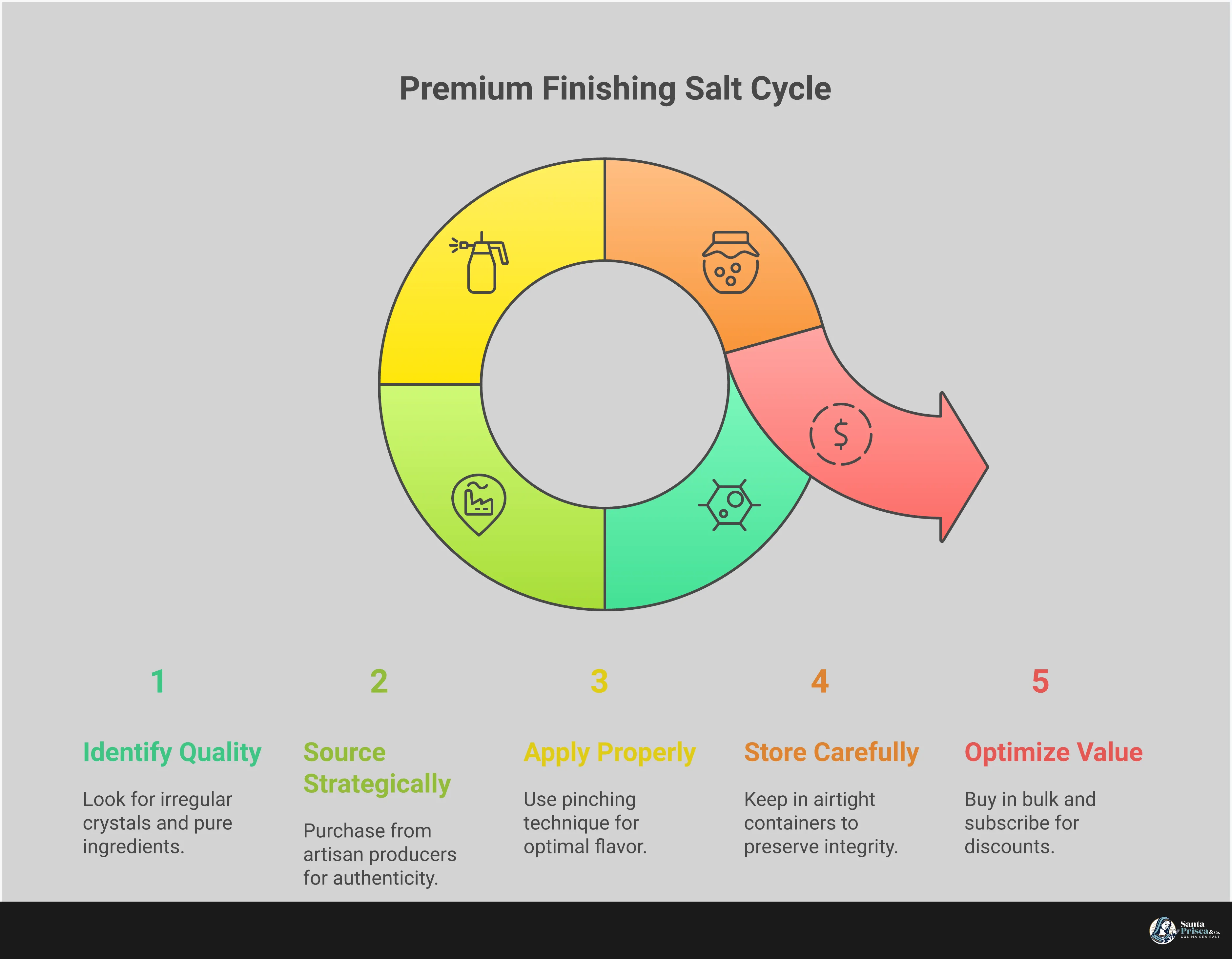
How to Use Finishing Salt in Your Kitchen
Once you bring a beautiful finishing salt into your home, the real joy begins in the kitchen. Unlike salts used during the cooking process, a finishing salt is meant to be the final touch, added just before serving. This preserves its unique texture and allows its pure, mineral-rich flavor to shine. Think of it as a simple ritual that honors your food, adding a final layer of texture, flavor, and intention to the meal you’ve prepared.
For Roasted Meats and Vegetables
Imagine pulling a tray of deeply caramelized root vegetables from the oven or letting a perfectly roasted chicken rest. Just before you serve, a generous pinch of finishing salt over the top creates a beautiful contrast. The crisp, delicate flakes provide a satisfying crunch against the tender vegetables or juicy meat. Each crystal delivers a clean burst of mineral depth that brightens the earthy, savory flavors developed during roasting. It’s a small step that makes a world of difference.
For Fresh Seafood and Salads
Delicate dishes call for a delicate touch. A high-quality finishing salt can elevate the subtle sweetness of fresh seafood, like seared scallops or a simple piece of grilled fish, without overpowering it. A light sprinkle of Colima Sea Salt adds a gentle crunch and a whisper of the ocean. The same is true for salads. A few flakes scattered over ripe tomato slices, crisp greens, or creamy avocado adds a textural surprise and makes every single ingredient taste more like itself.
For Chocolate, Caramel, and Baked Goods
Salt’s magic isn’t reserved for savory dishes. In fact, it’s the secret to making sweet treats truly unforgettable. A sprinkle of finishing salt on a gooey chocolate chip cookie fresh from the oven or across the top of a rich caramel sauce creates an incredible sweet-and-savory balance. The salt cuts through the richness and deepens the flavor of chocolate, making it more complex and satisfying. It’s that little something that takes a dessert from simply good to completely memorable.
Simple Dishes That a Pinch of Salt Transforms
You don’t need an elaborate recipe to experience the power of a great finishing salt. Sometimes, the simplest foods benefit the most. A humble soft-boiled egg, a slice of avocado toast, or a perfectly ripe heirloom tomato can become something extraordinary with just a pinch. This is where a finishing salt truly shows its worth—by turning an ordinary meal into a moment of pure, simple pleasure. It’s a reminder that thoughtful ingredients can transform everyday food into a beautiful experience.
Understanding the Price of Artisan Salt
When you first see the price of a hand-harvested salt, it’s natural to pause. It’s certainly different from the canister of iodized salt you find in most grocery aisles. But that price difference tells a story—a story of place, of process, and of the people who carefully gather these crystals from the earth. The cost reflects the journey from a pristine salt flat to your kitchen, a process that honors tradition and preserves the salt’s natural integrity.
Unlike mass-produced salts, artisan salts are not a commodity; they are a culinary experience. The price accounts for the meticulous, often seasonal, labor involved, the purity of the source, and the complex mineral profile that gives each salt its unique character. It’s an invitation to connect more deeply with your food and the ingredients that bring it to life.
Price Ranges by Salt Type and Origin
The world of artisan salt is beautifully diverse, and so are the prices. A simple, pure flake salt might be more accessible, while a salt infused with rare ingredients like black truffle or saffron will naturally command a higher price. The origin also plays a significant role. Salts harvested from remote, protected regions or through ancient, labor-intensive methods carry the value of that unique heritage. Think of it like wine—the terroir, or sense of place, is everything. You’re not just paying for salt; you’re paying for the unique mineral composition and flavor imparted by a specific environment, whether it’s the volcanic earth of Colima or the clay ponds of France.
Why Premium Salt is a Worthwhile Investment
Choosing a premium, unrefined salt is an investment in both flavor and wellness. Processed table salt is stripped of its natural minerals and often contains anti-caking agents. In contrast, a true sea salt offers a burst of mineral depth that enhances food in a way that processed salt simply cannot. This is because gourmet salts come from high-quality, natural sources that preserve trace minerals like magnesium, potassium, and calcium.
These minerals not only create a more nuanced, less aggressive flavor but also support your body’s balance. While iodized table salt serves a specific public health function, unrefined sea salt offers a more holistic natural mineral boost. Using it is a small, intentional act of nourishment for yourself and those you cook for.
Wholesale and Bulk Options
Once you experience the difference a quality finishing salt makes, it’s hard to go back. For home cooks who use it daily or for chefs and small business owners who rely on exceptional ingredients, buying in larger quantities is often a practical choice. Many artisan producers offer bulk or wholesale options, allowing you to stock your pantry or kitchen more economically without compromising on quality. This is a wonderful way to make an ingredient like our Colima Sea Salt a consistent part of your culinary practice. If you’re interested in incorporating our salt into your restaurant or retail shop, you can learn more about our wholesale inquiries.
How to Find the Best Value on Finishing Salt
Investing in a high-quality finishing salt is an investment in your cooking and your well-being. Finding good value isn’t about finding the lowest price, but about sourcing the purest, most flavorful salt in a thoughtful way. When you choose an unrefined, mineral-rich salt, you’re bringing a piece of the earth into your kitchen. Here are a few simple ways to stock your pantry with exceptional salt while honoring your budget.
Look for Seasonal Offers
Artisan producers often celebrate the seasons with special offerings or promotions. Keep an eye out around holidays or harvest times for unique opportunities. The best way to stay connected is to join the mailing list of your favorite salt purveyors. This not only gives you access to exclusive offers but also deepens your connection to the stories and people behind the product. It’s a beautiful way to support small businesses while ensuring your pantry is always filled with the finest ingredients.
Consider a Subscription for Your Favorites
Once you find a finishing salt you truly love, it becomes an essential part of your kitchen ritual. A subscription service can be a wonderful way to ensure you never run out. Many small brands offer this option, often with a small savings as a thank you for your loyalty. It’s a simple act of self-care to automate the delivery of a staple you rely on for flavor and nourishment. This practice helps you build a well-stocked pantry that supports intentional, everyday cooking.
Explore Bundles and Gift Sets
Bundles and gift sets are a fantastic way to explore a brand’s full collection or share your passion with others. They often provide better value than buying individual items and allow you to sample different textures and grinds. Gifting a beautiful set of artisan salt is a thoughtful gesture for any food lover in your life. It’s more than just a condiment; it’s an invitation to slow down, savor a meal, and appreciate the simple, profound impact of a single, perfect crystal of Colima Sea Salt.
How to Care for Your Finishing Salt
When you bring a beautiful, hand-harvested salt into your kitchen, you’re inviting its story to be part of your meals. Caring for it is a simple ritual that honors the journey from its pristine source to your table. Just a little intention goes a long way in preserving the unique character of each crystal, ensuring every pinch is as perfect as the first. Proper storage protects not just the flavor, but the very essence of what makes this ingredient so special.
The Right Way to Store Your Salt
Think of your finishing salt as a delicate spice. To protect its crisp texture and mineral depth, it’s best to store it properly in an airtight container. A simple glass jar with a tight-fitting lid or a traditional wooden or ceramic salt cellar works beautifully, as these materials don't react with the salt. This simple step shields the delicate flakes from humidity, which can cause them to clump and lose their signature crunch. Keep your container in a cool, dry spot in your pantry, away from the steam of the stovetop. This prevents condensation and protects the salt from airborne impurities, keeping it pure and ready for that final, transformative sprinkle.
Keeping Your Salt Fresh and Flavorful
The magic of a finishing salt lies in its texture and taste—qualities that deserve to be preserved. An airtight container is your best tool for protecting the salt’s beautiful structure and clean, nuanced flavor. When you preserve these qualities, you ensure that every meal gets the full benefit of its bright, mineral-rich profile. Unlike processed table salt, unrefined sea salt doesn’t truly expire. When stored correctly, it has a virtually indefinite shelf life. By taking this small step, you’re making a lasting investment in your cooking, ensuring that this foundational ingredient remains vibrant and flavorful for years to come.
Related Articles
- Sea Salt for Cooking: Types, Benefits, and How to Use It Like a Pro
- Gourmet Finishing Salt: A Chef's Complete Guide
- The Ultimate Guide to Finishing Salt for Steak
Frequently Asked Questions
Can I use finishing salt for cooking, or only at the end? A finishing salt truly shines when used as the final touch. Its beautiful, delicate crystal structure is meant to provide a satisfying crunch and a clean burst of flavor right before you eat. If you add it during the cooking process, that unique texture will dissolve, and you’ll lose the very quality that makes it so special. Think of it as the final flourish that completes your dish.
Is unrefined sea salt actually better for you than regular table salt? Choosing an unrefined sea salt is about embracing a more natural, whole ingredient. Unlike processed table salt, which is stripped of its natural minerals and often contains anti-caking agents, unrefined salt retains trace minerals like magnesium and potassium. This isn't about a quick health fix, but rather a mindful choice to season your food with something pure and to give your body minerals in a form it recognizes.
With so many options, which type of finishing salt is best to start with? If you're just beginning to explore the world of artisan salt, a pure, light flake sea salt is the perfect place to start. Its clean, bright flavor and delicate crunch are incredibly versatile, enhancing everything from roasted vegetables and seared fish to a simple slice of avocado toast. It allows you to experience the profound difference texture can make without a complex or overpowering flavor profile.
Why is my artisan salt clumping, and is it still okay to use? Clumping is actually a good sign! It means your salt is pure and free from the anti-caking chemicals found in most commercial table salts. A little moisture from the air can cause the natural crystals to stick together. It is perfectly fine to use—just gently break the crystals apart with your fingers or a spoon before sprinkling.
How is finishing salt different from the coarse kosher salt I already use? While both are coarser than table salt, their purpose and structure are quite different. Kosher salt has a larger, more irregular grain that is designed to dissolve evenly, making it a workhorse for seasoning dishes throughout the cooking process. A finishing salt, on the other hand, often has a much lighter, flakier crystal structure that is meant to sit on the surface of food, providing a final pop of texture and flavor.