
The Art of Using Salt Flakes for Cookies
Written By Santa Prisca & Co Staff Last updated on
There’s a moment when you bite into a truly exceptional cookie. It’s not just the sweetness you notice, but a delicate, satisfying crunch followed by a bright burst of flavor that makes the chocolate and butter sing. That experience is the magic of a finishing salt. These aren’t the harsh grains from your everyday shaker; they are delicate, hand-harvested crystals that add texture and complexity. Choosing the right salt flakes for cookies is a simple gesture that honors the care you put into your baking, turning a familiar treat into a memorable moment of pure, balanced deliciousness.
Key Takeaways
- Transform your cookies with the right salt: A quality finishing salt adds a delicate crunch and mineral complexity that balances sweetness, making the flavors of chocolate and butter stand out in a way regular table salt cannot.
- Time your sprinkle for the perfect texture: Add salt flakes to cookies right after they come out of the oven for a distinct, satisfying crunch. For a more subtle saltiness, sprinkle them on the dough just before baking.
- Opt for quality and use a light touch: Choose a pure, unrefined sea salt with a flaky structure. A small pinch sprinkled from high above is all you need for an even finish that enhances, rather than overpowers, your baking.
What Are Salt Flakes? (And Why Your Cookies Need Them)
If you’ve ever wondered what that beautiful, crystalline sprinkle is on top of a gourmet chocolate chip cookie, you’ve met finishing salt. These aren’t your average grains from a shaker. Salt flakes are delicate, wide crystals of sea salt, hand-harvested and left in their natural state. They are designed to be seen and tasted, adding a final touch of texture and flavor that transforms a simple treat into a memorable experience. Think of them as the final, thoughtful step in your baking ritual, a way to honor the ingredients and the moment.
Their Unique Texture and Mineral-Rich Flavor
Salt flakes are often called “finishing salts” because they are meant to be sprinkled on food just before serving. Their broad, pyramid-shaped structure creates a delicate crunch that dissolves slowly on the tongue, delivering a bright burst of salinity without overwhelming the palate. Unlike processed salts, our hand-harvested Colima Sea Salt is unrefined, which means it retains a wealth of trace minerals from the earth. This gives it a more complex, nuanced flavor—a subtle mineral depth that beautifully complements the sweetness of a freshly baked cookie. It’s a texture and taste you can truly feel.
How They Differ From Table and Kosher Salt
The salt in your average shaker is a world away from natural salt flakes. Table salt is heavily refined, stripped of its beneficial minerals, and often treated with anti-caking agents. While some brands add iodine, the refining process creates a harsh, one-dimensional saltiness. Kosher salt is a step up in texture, but it’s typically also refined and lacks the delicate structure of a true finishing salt. The most important distinction is what remains in an unrefined salt, which offers a spectrum of minerals that are removed from refined salt, contributing to both a richer flavor and a more natural ingredient for your kitchen.
Why Add a Pinch of Finishing Salt to Cookies?
That final sprinkle of salt on a warm chocolate chip cookie isn't just for show. It’s a small, intentional act that transforms a simple treat into something truly special. A quality finishing salt does more than just add a salty note; it awakens and harmonizes all the other flavors, creating a cookie that is perfectly balanced and deeply satisfying. It’s the secret that separates a good cookie from a truly memorable one.
To Balance and Deepen Sweetness
Salt has a beautiful way of making sweet things taste even better. While a pinch of salt mixed into the dough is essential for enhancing the flavors of butter and sugar, a finishing salt plays a different, more direct role. Sprinkled on top just before serving, it provides a bright counterpoint to the sweetness, cutting through the richness of the chocolate and butter. This contrast prevents the cookie from tasting flat or overly sugary, allowing the deeper, more complex notes of caramel and vanilla to come forward. A pure, unrefined sea salt offers a clean salinity that brightens every single bite.
To Add a Delicate, Satisfying Crunch
Beyond flavor, texture is what makes a cookie truly memorable. The magic of a finishing salt lies in its unique physical structure. Unlike fine-grained table salt that dissolves instantly, large, pyramid-shaped flakes hold their form on the warm surface of a cookie. When you take a bite, you get a delicate, satisfying crunch that gives way to a clean burst of flavor. This textural contrast with the soft, chewy cookie is what makes the experience so compelling. It also adds a beautiful, glistening finish, a visual cue that you’re about to enjoy something special.
To Create a More Complex Flavor
Adding a finishing salt is about building layers of flavor and creating a more dynamic taste experience. That final sprinkle doesn't just make a cookie salty and sweet; it brightens the entire flavor profile, making the buttery dough and rich chocolate stand out with greater clarity. Each individual flake delivers a concentrated burst of mineral depth that lingers for a moment before melting away. This simple addition is known to enhance chocolatey flavors, adding a subtle savory note that balances the sweetness and keeps you coming back for just one more bite.
How to Choose the Right Salt Flakes for Baking
Choosing a finishing salt for your cookies is a lot like choosing a fine spice. The right one doesn’t just add saltiness; it adds character, texture, and a depth of flavor that can transform a good cookie into an unforgettable one. Not all salts are created equal, and the bright, harsh flavor of common table salt simply won’t do when you’re aiming for something special.
The world of artisanal salts can feel vast, but a few simple principles can guide you. You’re looking for a salt with a delicate, flaky structure that provides a satisfying crunch without overpowering the sweetness of your bake. The flavor should be clean and complex, hinting at the natural environment it came from. This is where the magic lies, in finding a salt that complements your baking and honors the care you’ve put into it. When you find the right one, you’ll notice the difference in every single bite.
Why We Recommend Hand-Harvested Colima Sea Salt
There’s a story in every crystal of our Colima Sea Salt. Harvested by hand from the sun-drenched salt flats of Colima, Mexico, this salt is a testament to tradition and place. Its delicate, hollow flakes are formed by the sun and wind, creating a crisp texture that lingers on the tongue. Because it’s unrefined, it offers a richer, more nuanced taste experience that goes beyond simple saltiness. You’ll notice a subtle mineral depth that beautifully balances the sweetness of chocolate, caramel, or brown butter. It’s more than an ingredient; it’s an invitation to slow down and savor.
What to Look For: Texture, Moisture, and Purity
When selecting a finishing salt, let your senses be your guide. Look for light, pyramid-shaped or flaky crystals, not dense, uniform grains. This delicate structure is what creates that signature crunch. A quality unrefined sea salt will also have a slight moisture to it, a sign that it hasn't been stripped of its natural minerals. Finally, check for purity. Your salt should contain one ingredient: salt. Avoid products with anti-caking agents or other additives, which can lend a chemical taste and detract from the pure, clean flavor you want in your baking.
The Importance of Unrefined, Mineral-Rich Salt
Choosing an unrefined salt means you’re getting the salt in its most natural state. Unlike refined table salt, which is heavily processed and stripped of its natural components, unrefined sea salt retains a beautiful spectrum of trace minerals from the ocean. When you use a salt that has experienced very little processing, you’re tasting a product that contains health-promoting trace minerals. These elements, like magnesium and potassium, not only offer subtle wellness benefits but also contribute to a more complex and well-rounded flavor. This is why unrefined salt tastes so much better; it’s the difference between a single note and a full chord.
When Should You Add Salt Flakes to Cookies?
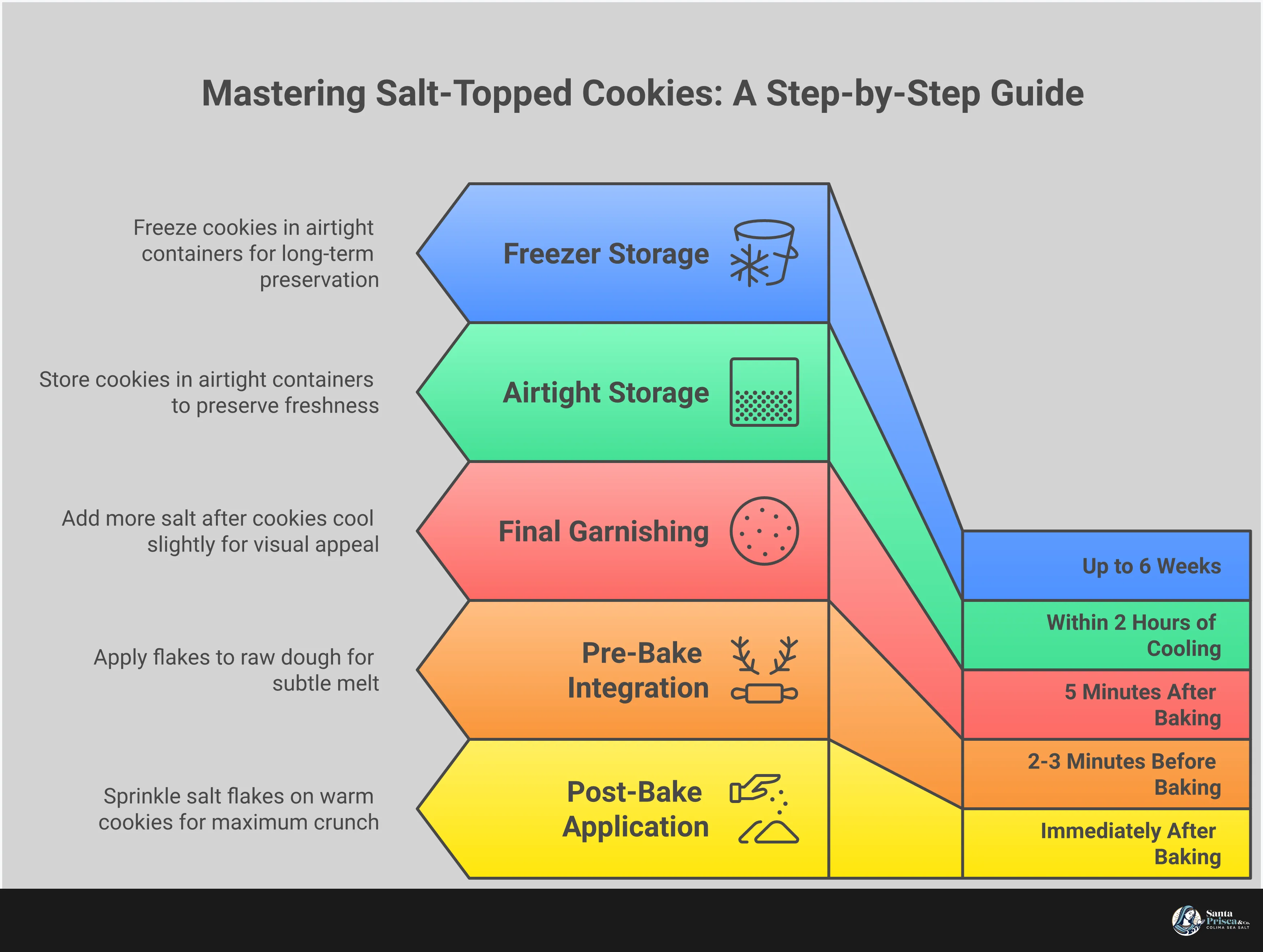
The moment you add your salt flakes is just as important as the salt itself. Timing is everything, as it determines whether the salt becomes a subtle, integrated note or a bright, crunchy finish. Each method offers a different experience, and the right choice depends entirely on the cookie you want to create. Think of it as choosing the final brushstroke for your edible masterpiece. There’s no single right answer, only the one that feels right for your palate and your bake.
Sprinkle Before Baking for a Milder Flavor
For a more subtle, baked-in saltiness, try sprinkling the flakes over your cookie dough just before it goes into the oven. As the cookies bake, the heat allows the salt to gently melt into the surface, creating a more uniform and mellow flavor. This method is perfect when you want the salt to enhance the dough's sweetness from within, rather than stand out as a separate element. Many bakers prefer this technique for a quiet hum of salt that beautifully complements the other ingredients without demanding all the attention. The result is a soft, nuanced cookie where the salt feels like a foundational part of the flavor.
Garnish After Baking for Maximum Crunch
If you love a textural contrast and a bright pop of flavor, this is the method for you. Sprinkling flakes over your cookies the moment they come out of the oven creates a truly special finish. The residual heat from the warm, soft cookie helps the crystals adhere to the surface without dissolving them. This preserves the delicate, crisp structure of a hand-harvested salt like our Colima Sea Salt. Each bite delivers that satisfying little crunch followed by a burst of clean, mineral flavor that cuts through the richness of the cookie, making the sweet notes even more profound.
Mix Into the Dough for Even Salinity
For a perfectly consistent flavor in every single bite, you can incorporate the salt flakes directly into your cookie dough. This approach ensures the salt is evenly distributed, dissolving into the batter to season the cookie from the inside out. While you may lose some of the distinct textural crunch of a finishing salt, you gain a deep, harmonious balance. This technique is ideal for recipes where you want the salt to be a seamless part of the cookie’s foundation, creating a rich and complex flavor profile that is consistent from the center to the edge.
How to Apply Salt Flakes for the Best Results
The final touch of salt is a moment of intention. It’s the last step that transforms a simple cookie into something truly special. But how you apply those delicate flakes matters just as much as their quality. The right technique ensures every bite is perfectly balanced, with a satisfying crunch and a whisper of mineral depth. It’s less about following a rigid rule and more about developing a feel for the process. Let’s explore a few simple methods to help you finish your cookies with confidence and care.
Use a Light Hand for Even Coverage
Hold your pinch of salt about a foot above the cookies and let the flakes fall like a gentle snow. Sprinkling from a height allows the delicate crystals to separate and spread, giving you beautiful, even coverage. This simple act prevents clumps of salt in one bite and none in the next. It’s a small gesture that ensures the hand-harvested salt is distributed with care, creating a consistent experience where each mouthful gets that perfect little burst of flavor.
Find the Right Balance of Salt and Sweet
The goal of a finishing salt isn’t to make your cookies taste salty; it’s to make them taste more like themselves. A thoughtful pinch enhances the rich notes of chocolate, the warmth of vanilla, and the buttery depth of the dough. It provides a beautiful counterpoint to the sweetness, creating a more complex flavor. Start with less than you think you need and trust your palate to find that perfect harmony where sweet and savory meet.
Press Gently to Help the Flakes Stick
To make sure your beautiful salt flakes stay put, a gentle press is all you need. If you’re sprinkling salt on unbaked dough balls, lightly pat the flakes into the surface to help them adhere as the cookies bake. For cookies fresh from the oven, the residual heat and soft surface are often enough to hold the salt. This final, thoughtful touch ensures the salt becomes one with the cookie, delivering that delightful crunch with every single bite.
The Best Cookie Pairings for Salt Flakes
While a delicate sprinkle of sea salt can improve almost any baked good, certain flavors create a truly memorable harmony. The right pairing allows the salt’s mineral depth to draw out hidden notes in the cookie, transforming a simple treat into a complex experience. It’s a small gesture of intention that makes all the difference. Below are a few classic combinations where our Colima Sea Salt truly shines, turning familiar favorites into something extraordinary.
Rich Chocolate and Fudgy Brownie Cookies
There’s a beautiful science to the way salt and chocolate interact. A sprinkle of salt flakes doesn’t just add a contrasting flavor; it actually enhances the complex notes of the cacao itself. The salt crystals temper any bitterness in dark chocolate, allowing the deep, fruity, and earthy tones to come forward. Imagine a warm, fudgy brownie cookie straight from the oven. The sun-dried crystal of sea salt on top provides a satisfying crunch that gives way to the cookie’s molten center. This pairing is a classic for a reason: it’s a perfect balance of rich indulgence and bright, mineral finish.
Sweet Caramel and Butterscotch Cookies
Caramel and butterscotch are defined by their deep, buttery sweetness, which can sometimes feel a bit one-dimensional. This is where a finishing salt works its magic. A few flakes sprinkled on top can brighten the entire flavor profile without altering the essence of that golden, buttery taste. The salt acts as a counterpoint, cutting through the richness and preventing the sweetness from becoming overwhelming. It adds a sophisticated layer that keeps your palate engaged, turning a sweet treat into a well-rounded dessert. The result is a cookie that is both comforting and surprisingly elegant.
Buttery Shortbread and Classic Sugar Cookies
With simpler cookies like shortbread or sugar cookies, there’s nowhere for mediocre ingredients to hide. The beauty is in the purity of the butter, sugar, and flour. A finishing salt honors this simplicity. Rather than adding an overtly salty taste, a few flakes amplify the inherent flavors of the other ingredients. The butter tastes richer and creamier, the vanilla more aromatic. Our hand-harvested Colima Sea Salt offers a delicate, crisp texture that dissolves cleanly, leaving behind a subtle mineral note that makes these humble cookies feel truly special. It’s a testament to how a single, high-quality ingredient can refine a classic.
How Much Salt Should You Use on Cookies?
Finding the perfect amount of salt for your cookies is more of an art than a science. It’s a delicate dance between enhancing flavor and adding texture without overpowering the sweetness you worked so hard to create. The right amount can transform a simple cookie into a memorable treat, making the chocolate richer and the caramel deeper.
Unlike the salt you mix into the dough, a finishing salt is all about that final, thoughtful touch. With a mineral-rich, unrefined salt like our Colima Sea Salt, a little truly goes a long way. The goal is to create small bursts of savory brightness that make every bite more interesting.
Start With a Pinch and Adjust to Taste
When working with a high-quality finishing salt, begin with a light hand. You can always add more, but you can’t take it away. Take a small pinch between your fingers and sprinkle it from about a foot above the cookies for an even, delicate dusting. The beauty of flake salt is its texture and potent flavor, so you don’t need much to make an impact.
Bake a small test batch if you're unsure. Let it cool, take a bite, and notice how the salt interacts with the other ingredients. Does it brighten the flavor? Does the crunch feel satisfying? This simple act of tasting and adjusting is a beautiful part of intentional baking.
Consider the Cookie's Sweetness Level
The type of cookie you’re making will guide how much salt you use. A deeply fudgy brownie cookie or a rich butterscotch blondie can handle a more generous sprinkle to cut through the sweetness. The salt acts as a perfect counterpoint, creating a sophisticated balance on your palate.
For more delicate cookies, like shortbread or classic sugar cookies, a lighter touch is best. Here, the salt’s role is to gently enhance the buttery notes without stealing the show. Think of it as a quiet supporting character that makes the star ingredient shine even brighter. The key is to complement the cookie’s profile, not compete with it.
Trust Your Palate: A Little Goes a Long Way
Ultimately, the perfect amount of salt comes down to your personal taste. Some people love a pronounced salty-sweet contrast, while others prefer just a whisper of salinity. There is no single right answer. The joy of baking at home is creating something that tastes wonderful to you.
Let your intuition guide you. Notice how the salt crystals look on the unbaked dough. After baking, take a moment to appreciate the texture and how the salt enhances the chocolate or caramel notes. This is your creation. Trust your palate to find that perfect harmony between the sweet dough and the sun-dried mineral crystals.
Common Mistakes to Avoid With Salt Flakes
A sprinkle of finishing salt can transform a simple cookie into something truly special, but the magic is in the details. Using this beautiful ingredient with intention is key to achieving that perfect balance of sweet and salty. A few common missteps can be the difference between a cookie that sings and one that falls flat.
Think of salt flakes as the final, thoughtful touch, a way to honor the care you've put into your baking. By avoiding these simple mistakes, you can ensure that every batch of cookies is a delicious expression of your craft, finished with a delicate crunch and a whisper of the sea. Let’s explore how to get it just right.
Using Table Salt Instead of a Finishing Salt
It can be tempting to reach for the standard salt shaker, but swapping table salt for a true finishing salt is one of the biggest mistakes in baking. Table salt granules are tiny, dense, and often contain iodine or anti-caking agents, which can lend a harsh, chemical flavor. Because the fine grains dissolve so quickly, they can create pockets of intense saltiness instead of an even, delicate flavor.
A hand-harvested finishing salt, like our Colima Sea Salt, offers a completely different experience. Its crisp, light flakes provide a gentle crunch and a clean, mineral-rich taste that enhances sweetness rather than competing with it. While some recipes simply call for "salt," a high-quality finishing salt is essential for that final, perfect touch that bakers recommend.
Applying Them at the Wrong Time
Timing is everything when it comes to salt flakes. The most common mistake is not understanding how timing affects the final texture and appearance of your cookies. If you want that beautiful, crystalline sparkle and a distinct, satisfying crunch, it’s best to add the flaky sea salt right after the cookies come out of the oven. The residual heat will help the flakes adhere without dissolving them, preserving their delicate structure.
On the other hand, if you want the salt to meld more deeply with the dough and ensure it stays put, you can sprinkle it on just before baking. The flakes will bake into the surface, creating a more subtle, integrated saltiness. The "mistake" isn't choosing one method over the other; it's not knowing which technique will give you the result you’re looking for.
Oversalting and Overpowering the Flavor
With finishing salt, a light hand is always best. Because salt flakes are larger and more potent than fine-grained salt, it’s easy to accidentally add too much. Unlike in a liquid-rich batter, the salt won't fully dissolve in cookie dough, meaning each flake delivers a concentrated burst of flavor. An overly salted cookie can easily overpower the nuanced notes of vanilla, chocolate, or butter you worked so hard to create.
Start by pinching the flakes from high above the cookies to create a light, even dusting. Remember that a pure, unrefined sea salt has a complex flavor profile, so you need less to make an impact. Trust your palate and begin with a small amount. You can always add another delicate sprinkle, but you can’t take it away once it’s there.
How to Store Salt-Topped Cookies
You’ve baked a beautiful batch of cookies, each one jeweled with the perfect finishing touch of Colima Sea Salt. The last thing you want is for that delicate crunch and burst of mineral flavor to fade away. Storing them properly is the final, essential step in honoring your creation. It’s a simple ritual that ensures every cookie you enjoy tastes just as fresh and intentional as the moment it came out of the oven. By taking a little care, you preserve not just the cookie, but the entire sensory experience you worked to create.
Why an Airtight Container Is Essential
Think of an airtight container as a quiet resting place for your cookies. Its primary job is to protect them from their greatest enemy: air. When left exposed, cookies quickly lose their moisture and turn from delightfully soft and chewy to disappointingly stale. This is especially true for cookies finished with salt flakes. Air can dull their bright, clean flavor and soften their signature texture. To truly preserve that perfect balance of sweet and salty, a container that seals completely is non-negotiable. It’s the best way to maintain the freshness of your cookies and protect the integrity of each precious salt crystal.
Protecting the Flakes From Moisture
Moisture in the air is another challenge for our delicate salt flakes. Salt naturally draws in moisture, and when it does, those beautiful, crisp flakes can begin to dissolve, losing their satisfying crunch and becoming damp. An airtight container is your best defense, creating a barrier that keeps moisture away from your baked goods. This simple step ensures that the salt remains distinct and textural, providing that wonderful contrast with every bite. Protecting your cookies from humidity is key to making sure the last cookie from the batch is just as delightful as the first.
Keeping Your Cookies Fresh and Crisp
For cookies you plan to enjoy over several days, a few extra details make all the difference. Try layering them between sheets of wax or parchment paper inside your airtight container. This prevents them from sticking together and helps maintain their individual texture, whether they’re crisp and buttery or soft and fudgy. If you’ve baked a large batch, the freezer is an excellent option for long-term storage. When stored properly in a freezer-safe airtight container, your salt-topped cookies can last for weeks. Simply let them come to room temperature before enjoying, and they’ll taste wonderfully fresh.
Related Articles
- Choosing Coarse Salt for Pretzels and Finishing
- What Is Finishing Salt Used For? A Chef's Guide
- Where to Buy Finishing Salt: The Complete Guide
Frequently Asked Questions
What's the real difference between finishing salt and the salt in my shaker? Think of it in terms of texture and flavor. The salt in your shaker is typically refined, meaning it has been stripped of its natural minerals, resulting in a harsh, one-dimensional taste. Finishing salt, like our Colima Sea Salt, is unrefined and hand-harvested. Its delicate, flaky structure provides a satisfying crunch, and it retains trace minerals that give it a complex, nuanced flavor that beautifully complements sweetness instead of just overpowering it.
Is it better to add salt flakes before or after baking? This really comes down to the experience you want to create. If you sprinkle the flakes on just before baking, the salt will gently melt into the cookie's surface for a more subtle, integrated saltiness. For a more dramatic effect with a distinct crunch and a bright pop of flavor, garnish the cookies the moment they come out of the oven. The residual heat helps the flakes stick without dissolving them, preserving their beautiful texture.
How do I keep my cookies from tasting too salty? The key is to use a light hand and remember that a little goes a long way. Hold a small pinch of salt about a foot above your cookies and let the flakes fall gently for an even dusting. This prevents clumps and ensures a balanced flavor. Also, consider the cookie itself; a very sweet, rich cookie like a fudgy brownie can handle a bit more salt than a delicate shortbread. Always start with less than you think you need.
Why is an unrefined, hand-harvested salt better for finishing cookies? An unrefined, hand-harvested salt is left in its natural state, which makes all the difference. It retains a spectrum of trace minerals that contribute to a richer, more complex flavor profile that you just don't get from processed salt. The hand-harvesting process also preserves the salt's delicate, flaky crystal structure, which is essential for creating that signature light crunch on top of a soft cookie.
Will the salt flakes dissolve or get soggy on my cookies after a day? If stored properly, your salt flakes should remain crisp. The key is to protect the cookies from air and moisture, which can cause the salt to dissolve. Once your cookies have cooled completely, place them in an airtight container. This simple step creates a barrier against humidity and keeps both your cookies and their salty topping fresh and texturally delightful for several days.