
How to Choose the Right Salt Cellar with Spoon
Written By Santa Prisca & Co Staff Last updated on
There is a beautiful symmetry in storing hand-harvested salt in a hand-thrown pot. When you choose a cellar from a small maker, you’re not just buying a kitchen tool; you’re inviting another layer of story and human touch into your home. Our Colima Sea Salt carries the wisdom of generations, and the vessel that holds it can honor that same spirit of craftsmanship. A thoughtfully chosen salt cellar with spoon becomes a permanent fixture, a small object of intention that celebrates one of nature’s most vital ingredients. It’s a way to connect with the artisans behind every part of your meal.
Key Takeaways
- Focus on access and protection: The best salt cellar has a wide opening for an easy pinch and a secure lid to shield your salt from kitchen humidity, keeping it dry and flavorful.
- Choose a material that keeps salt pure: Non-porous materials like ceramic, glass, and marble are ideal because they won’t absorb moisture or affect the salt's taste. If you love the warmth of wood, just make sure it has a protective lining.
- Treat it as a kitchen ritual: A salt cellar is more than storage; it’s a daily invitation to cook with intention. Caring for your cellar turns the simple act of seasoning into a mindful, grounding moment.
What to Look for in a Salt Cellar
A beautiful salt deserves a beautiful home. Choosing a salt cellar is about more than just storage; it’s about creating a small, grounding ritual in your kitchen. The right vessel keeps your salt pristine and makes the simple act of seasoning an intentional, tactile moment. It’s the final step in a long journey that begins in the sun-drenched salt flats of Colima, where our salt is hand-harvested with generations of wisdom. By giving it a worthy place on your counter, you honor that tradition and the hands that gathered it.
When you’re searching for the perfect one, a few key details make all the difference in your daily cooking practice. Think about how it will feel in your hands and how it will function in the rhythm of your kitchen. A great salt cellar is both a practical tool and a piece of art, a quiet statement of your commitment to quality ingredients. It should protect the delicate, mineral-rich crystals from moisture while offering easy access for that perfect pinch. The ideal cellar becomes an extension of your hand, a familiar presence that connects you to the food you prepare. Look for a design that feels good, protects your salt, and brings a quiet joy to your countertop every time you reach for it.
Easy access for a perfect pinch
The best salt cellars invite you to connect with your ingredients. An open-mouthed design lets you grab salt with your fingers, giving you more control over every sprinkle. This tactile method helps you develop an intuition for seasoning that a shaker can’t offer. You learn the feel of the crystals, whether they are fine or coarse. This simple act turns seasoning from a guess into a gesture, connecting you more deeply to your food and the nourishment it provides.
A lid that keeps your salt dry and pure
Our unrefined Colima Sea Salt is rich with natural minerals, and its delicate structure is worth protecting. A quality salt cellar with a well-fitting lid is essential. It shields the crystals from kitchen humidity, which can cause clumping and dull the salt’s vibrant, clean flavor. A simple wooden top or a snug ceramic cover ensures every pinch is as pure and potent as the day it was harvested from the sun-drenched flats of Colima.
A home for its little spoon
A dedicated spoon brings a touch of grace and cleanliness to your salt cellar. Many designs come with a perfectly sized spoon, often nestled in a small notch or resting inside. This thoughtful detail is practical for serving at the table, allowing guests to season their food hygienically. In the kitchen, it offers a quick way to measure or sprinkle salt directly into a dish. A designated spoon keeps your salt pristine and ready, honoring its purity.
A sturdy base for your countertop
In a busy kitchen, stability matters. A salt cellar with a sturdy, well-weighted base is less likely to tip over, preventing spills and waste. Look for a vessel that feels grounded and secure on your counter, one that won’t slide around as you reach for it. This practical feature ensures your precious salt stays safely contained. A stable cellar is a reliable companion, reflecting a commitment to quality tools that support your culinary practice for years to come.
Finding the Right Material for Your Kitchen
The vessel you choose for your salt is more than just storage. It’s a daily ritual, a home for an essential mineral that nourishes your body and brings your food to life. The right material protects the salt’s delicate texture and purity, ensuring every pinch is as perfect as the last. When you select a container, you’re choosing a partner for your salt and your kitchen.
Glass: See your salt, keep it clean
There’s a simple honesty to glass. A clear glass cellar allows you to see the beautiful, crystalline structure of your sea salt, connecting you to the ingredient before you even touch it. It’s a visual reminder of the sun-dried flakes waiting to add a burst of mineral depth to your meal.
Glass is also wonderfully practical. As a non-porous material, it won’t absorb moisture or impart any unwanted flavors, keeping your salt pure and dry. Just be sure to choose one with a well-fitting lid to protect it from humidity. A glass cellar is an effortless, elegant choice for the cook who appreciates both form and function.
Ceramic: Timeless style and function
A ceramic salt cellar feels grounded and intentional. Often handcrafted by potters, these pieces bring a touch of artistry to your countertop, honoring the tradition of craftsmanship. Much like our hand-harvested Colima Sea Salt, a ceramic cellar tells a story of earth and hands working together.
The weight of a ceramic piece feels good in your hands, and its opaque nature protects the salt from light. It becomes a permanent fixture in your kitchen, a small object of intention that celebrates one of nature’s most vital ingredients. It’s a choice that feels both timeless and deeply personal.
Stainless Steel: Sleek and built to last
For a modern kitchen, stainless steel offers clean lines and enduring performance. It’s a material that speaks of durability and reliability, ready for the rhythm of a busy cooking space. A stainless steel cellar is strong, simple to clean, and completely neutral, ensuring your salt’s flavor remains untouched.
This isn’t a fussy choice; it’s a practical one. A stainless steel cellar is built to last for years, becoming a dependable part of your daily routine. It’s a sleek, functional vessel that respects the purity of the salt it holds without demanding attention.
Marble: A touch of natural elegance
Holding a marble salt cellar is a sensory experience. The stone is naturally cool to the touch, with a satisfying weight and a smooth, polished surface. Each piece is unique, with its own veining and character, bringing a quiet touch of elegance from the natural world directly to your kitchen.
Like glass, marble is non-porous, so it won’t interfere with the salt’s texture or taste. It’s a beautiful and functional statement piece that feels both ancient and modern. Choosing marble is a way to honor your ingredients with a vessel that is just as pure and elemental.
Wood: Warmth with a word of caution
Wood brings an undeniable warmth and organic beauty to the kitchen. A wooden salt cellar can feel soft and inviting, connecting your cooking space to the natural world. Bamboo, in particular, is a great option, as it’s lightweight, durable, and often comes with clever designs like a magnetic swivel lid for easy access.
However, it’s wise to be mindful when choosing wood. Porous, unlined woods can absorb humidity from the air, which may cause your precious salt to clump. To keep your salt perfectly flaky, look for a wooden cellar with a protective inner lining or one crafted from a dense, less porous wood.
Choosing a Salt Cellar That Honors Your Ingredients
When you bring an ingredient as pure and thoughtfully sourced as unrefined sea salt into your home, its vessel should be just as intentional. A salt cellar is more than a container; it’s a small altar for one of the earth’s most essential minerals. It sits on your counter as a daily reminder to cook with presence and care. Choosing the right one is about finding a piece that not only protects your salt but also deepens your connection to the simple, beautiful act of seasoning your food.
The artisan touch: Supporting small makers
There is a beautiful symmetry in storing hand-harvested salt in a hand-thrown pot. When you choose a cellar from a small maker, you’re not just buying a kitchen tool; you’re inviting another layer of story and human touch into your home. A thoughtfully chosen salt jar with a spoon becomes a permanent fixture, a small object of intention that honors one of nature’s most essential ingredients. It turns the simple act of seasoning with Colima Sea Salt into a moment of gratitude, connecting you to the artisans who harvested the salt and the one who shaped its home.
Kitchenware classics: Finding reliable pieces
Choosing a salt cellar is about more than just storage; it’s about creating a small, beautiful ritual in your daily cooking. The right one feels good in your hands, makes seasoning an effortless gesture, and honors the precious minerals within. Look for timeless, well-made pieces that feel sturdy and balanced on your counter. A classic design in a durable material becomes a reliable kitchen companion, something you’ll reach for day after day without a second thought. It’s an investment in the simple, grounding moments that make up a life in the kitchen. You can explore our shop for other mindfully sourced kitchen staples.
Our philosophy: Why quality matters for your salt
We believe that pure ingredients deserve pure protection. Our unrefined Colima Sea Salt is prized for its delicate, complex flavor and rich mineral profile, qualities that are vulnerable to the environment. A quality salt cellar with a good lid shields the delicate, mineral-rich crystals from moisture, preventing clumping and preserving that pure, clean flavor. Without a proper home, the salt’s unique, crisp flake can absorb humidity from the air, losing the very texture that makes it so special. A well-crafted cellar is the final step in stewarding this ingredient from the salt flats of Colima to your table.
What's a Reasonable Price for a Quality Salt Cellar?
Investing in a salt cellar is about more than just storage. It’s about creating a home for an ingredient that brings so much life to your food. The right vessel can turn the simple act of seasoning into a small, beautiful ritual. Prices can vary, reflecting the materials, craftsmanship, and story behind each piece. Whether you’re looking for a simple starting point or a timeless heirloom, there’s a salt cellar that will feel right for your kitchen and honor the precious Colima Sea Salt within.
Entry-level finds ($20-$35)
If you’re just beginning to explore the world of salt cellars, you can find wonderful options in this accessible price range. These pieces are perfect for getting a feel for what you like without a big commitment. You’ll typically find simple, functional designs in materials like glass or ceramic. Think of a classic white porcelain pot that offers a clean look, or a clear glass jar that lets you see the beautiful, sun-dried crystal texture of your salt. While they may not have the intricate details of more expensive pieces, they are a lovely way to introduce an intentional touch to your countertop and begin the practice of mindful seasoning.
Everyday quality ($35-$50)
This range is often the sweet spot for a salt cellar that balances beautiful design with daily durability. Here, you’ll find well-crafted pieces made from quality materials like stoneware, marble, or sustainable wood that feel substantial in your hands. These cellars often have a satisfying weight and a thoughtful design, like a perfectly fitted lid to protect from moisture or an included spoon carved from the same material. A cellar in this range feels like a true kitchen tool, one that’s a pleasure to reach for every time you cook. It’s an investment in an object that will bring you joy and make your daily cooking rituals feel more special.
Heirloom pieces ($50+)
For those who view their kitchen tools as cherished objects to be passed down, an heirloom-quality salt cellar is a worthy investment. In this price range, you’ll discover pieces that are true works of art, often handcrafted by skilled artisans who pour their expertise into every detail. Expect to find unique designs, high-end materials like polished pewter or hand-turned olivewood, and meticulous attention to detail that sets them apart. These are the kinds of salt cellars that tell a story and are meant to be passed down through generations, carrying with them the memories of countless shared meals and family gatherings.
What influences the price?
The price of a salt cellar is shaped by a few key factors: the quality of the materials, the level of craftsmanship, and the uniqueness of the design. A simple, mass-produced ceramic pot will naturally cost less than a hand-thrown stoneware cellar from a local potter who has spent years honing their craft. As we see it, choosing a salt cellar is about finding a vessel that honors the ingredient inside. It should feel good in your hands and make seasoning an effortless gesture. The right piece creates a small, beautiful ritual in your daily cooking, reminding you to pause and appreciate the details that nourish you.
What Real Cooks Say About Their Favorite Salt Cellars
When you bring a new tool into your kitchen, you’re inviting it into the heart of your home. A salt cellar is more than just a container; it’s a daily companion. We looked to our community of fellow cooks to understand what makes a salt cellar truly special, from the quiet moments of seasoning to its lasting presence on the countertop. It’s not just about function, but about the feeling it brings to your cooking ritual. Here’s what they shared about the details that matter most.
How it feels to use every day
There’s a certain rhythm to cooking, and the tools we use become part of that dance. A salt cellar, sitting within arm’s reach, transforms the simple act of seasoning into a moment of mindfulness. It becomes a small object of intention that honors one of nature’s most essential ingredients. Instead of wrestling with a grinder or a shaker, you simply lift a lid and take a pinch. This tactile connection to your salt, feeling the delicate crystals between your fingers, grounds you in the process and turns a routine step into a small, satisfying ceremony.
The beauty it adds to the kitchen
Your kitchen is a reflection of you, and the objects you choose to display tell a story. Unlike tools tucked away in drawers, a salt cellar earns a permanent spot on the counter. It should be something you love to look at every day. As one cook shared, her favorite cellar is “functional, and beautiful in a simple way. It can fit into any kitchen aesthetic!” Whether it’s the earthy texture of handmade pottery or the cool, veined surface of marble, a beautiful cellar brings a sense of calm and intention to your workspace. It’s a quiet statement of quality.
How well it holds up over time
The best kitchen tools are the ones that feel like old friends, reliable and present through countless meals. Durability is a common theme among seasoned cooks, who value pieces that are built to last. As one person noted, a high-quality piece is a “simple and effective item” that you can be sure “will last a while.” This isn’t about finding something indestructible, but about choosing materials that age gracefully. A well-made cellar withstands the occasional knock and the constant presence of salt, becoming a trusted fixture in your kitchen for years to come.
Common issues to avoid
Of course, not all salt cellars are created equal, and a few practical details can make all the difference. The spoon, for instance, should feel right in your hand. Some cooks find that spoons without a slightly cupped shape can be frustrating, wishing they were “a bit more shaped like a measuring spoon” for better control. Ease of care is also key. Look for materials that are simple to maintain, as a quick wipe with a damp cloth should be all it takes. Finally, ensure the lid fits snugly to protect your precious Colima Sea Salt from humidity.
Where to Find a Salt Cellar You'll Love
The search for the right salt cellar is a quiet joy. It’s about finding a home for an ingredient we cherish, a small vessel that will sit on your counter as a daily reminder of intention in the kitchen. Whether you’re looking for something rustic and handmade or sleek and modern, the perfect piece is waiting to become part of your cooking ritual. Think of it not just as a container, but as a tool that makes seasoning your food a more mindful, beautiful moment.
Specialty kitchen shops
There is something special about walking into a well-curated kitchen shop. Here, you can pick up a salt cellar, feel its weight in your hands, and see how the lid fits. These stores often carry trusted brands known for durability and timeless design. You can find classic ceramic, glass, or marble options that feel both functional and beautiful. It’s a wonderful way to find a reliable piece you can see and touch before bringing it home. These small dishes are perfect for holding salt for guests at the table or for keeping a larger supply near the stove for cooking.
Direct from artisan makers
Choosing a salt cellar from an artisan connects you to the hands that made it. Many potters and woodworkers create stunning salt cellars that are as much a piece of art as they are a functional kitchen tool. These pieces carry a story, and their unique imperfections are part of their charm. When you fill a handmade cellar with hand-harvested salt, you’re honoring the tradition of craftsmanship from start to finish. You can often find these makers at local markets or through their online studios, allowing you to support small artisans directly.
Curated online marketplaces
The internet opens up a world of beautiful options, from modern designs to vintage treasures. Websites like Etsy are home to countless independent makers offering unique, handmade pieces you won’t find anywhere else. You can discover everything from rustic stoneware to delicate, hand-painted porcelain. For those who love history, you can even find an antique salt cellar that brings a sense of heritage to your kitchen. These marketplaces allow you to browse a vast selection and find a piece that truly speaks to your personal style and the soul of your home.
How to Care for Your Salt Cellar
A beautiful salt cellar is more than just a container; it’s a home for one of your kitchen’s most essential ingredients. Giving it a little attention ensures that every pinch of salt you reach for is as pure and flavorful as the day it was harvested. Proper care protects the delicate, mineral-rich crystals from the elements, preserving their texture and taste for every meal you create. Think of it as a small ritual of gratitude for an ingredient that gives so much.
Keep it clean: A guide by material
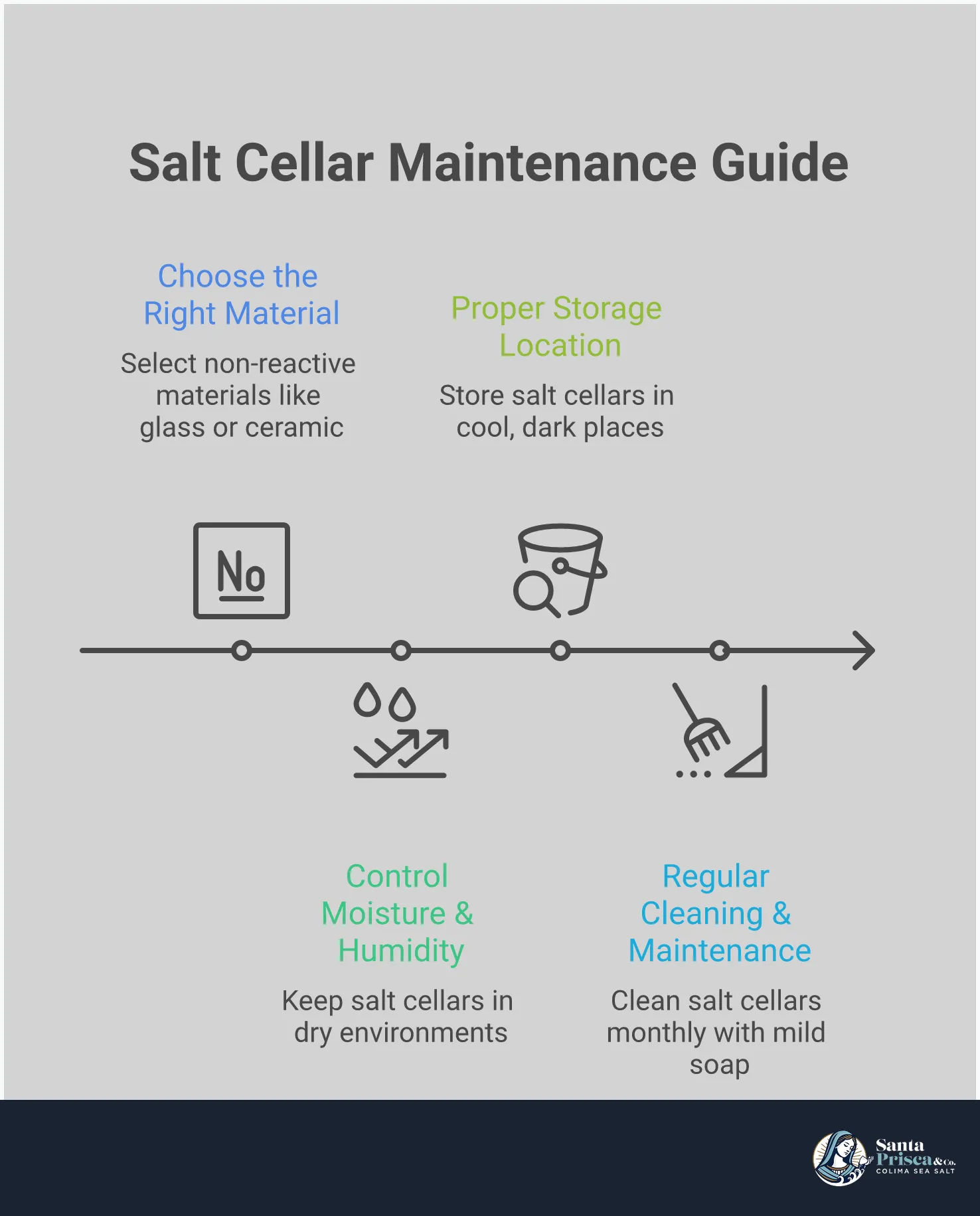
Keeping your salt cellar clean is a simple act that maintains the integrity of your salt. For most materials like ceramic, glass, or marble, a gentle wipe with a damp cloth is all you need to maintain its pristine appearance. Avoid harsh soaps or submerging your cellar in water, especially if it’s made of porous materials like unglazed clay or wood. A dry, clean interior is crucial. Before refilling, make sure the cellar is completely moisture-free to prevent the salt from clumping. This small step ensures that each crystal remains distinct and ready to dissolve perfectly into your dishes.
Protect your salt from moisture
Have you ever noticed your sea salt clumping? There’s a simple reason for that. Sea salt is naturally hygroscopic, meaning it pulls moisture from the air. This is why a quality salt jar with a good lid is so important; it shields the delicate, mineral-rich crystals from humidity. To give your salt the best protection, keep the lid on when you’re not using it and store it away from the steam of a boiling pot or a running dishwasher. This simple habit preserves that pure, clean flavor and the satisfying crunch of a perfect Colima Sea Salt crystal.
Care for the spoon and lid
The smaller components of your salt cellar deserve attention, too. A tiny wooden or ceramic spoon is the perfect tool for scooping, but it can also introduce moisture if it isn't kept dry. Make it a habit to wipe the spoon clean and never leave it sitting in the sink. The lid is your salt’s primary guardian against humidity and kitchen dust. Ensure it fits snugly and is free of any residue. A quick wipe-down of both the spoon and lid with a dry cloth is a simple ritual that goes a long way in preserving the quality of the salt inside.
Ensure your sea salt stays perfect
The goal of caring for your salt cellar is to preserve the pure, clean profile of a hand-harvested salt. Choosing a non-reactive material like glass, ceramic, or natural wood is the first step. The second is maintaining it with intention. By keeping your cellar clean, dry, and properly sealed, you honor the journey of the salt from the earth to your kitchen. This mindful approach ensures that the beautiful, complex flavor of your salt remains untainted. When you invest in high-quality ingredients, a little care ensures you can enjoy them to their fullest. Explore our collection of artisan products that deserve a special place in your kitchen.
Related Articles
- Salt Cellar Guide: Uses, Types, and the Tradition Behind It – Santa Prisca & Co
- How to Choose the Perfect Glass Salt Cellar – Santa Prisca & Co
- How to Store Sea Salt and Keep It Fresh (No Clumps, No Waste) – Santa Prisca & Co
- Find the Perfect Container for Salt: Our Top Picks – Santa Prisca & Co
- Your Guide to the Perfect Salt Jar with Spoon – Santa Prisca & Co
Frequently Asked Questions
Why should I use a salt cellar instead of a regular salt shaker? A salt shaker is fine for the dinner table, but in the kitchen, a cellar gives you a completely different level of connection and control. When you can pinch the salt with your fingers, you develop an intuition for seasoning that a shaker just can’t offer. You learn the feel of the crystals and how much to grab for any given dish. It transforms seasoning from a guess into a grounding, intentional gesture.
What's the single best material for a salt cellar? There isn’t one perfect material for everyone; the best choice really depends on your kitchen’s style and your personal preference. Non-porous materials like glass, ceramic, and marble are excellent for protecting the salt’s purity and flavor. The most important feature, regardless of material, is a well-fitting lid. A good lid is your salt’s best defense against kitchen humidity.
I’m worried my sea salt will clump. How does a cellar prevent this? It’s true that unrefined sea salt naturally attracts moisture from the air, which is what causes clumping. A quality salt cellar acts as a protective barrier. Its primary job is to shield the salt from humidity, and a snug lid is the key to making that happen. For extra protection, try to keep your cellar away from direct steam, like a boiling pot on the stove or a running dishwasher.
Do I really need to spend a lot of money on a salt cellar? Not at all. While heirloom pieces from artisans are beautiful investments, you can find a wonderful, functional salt cellar at a very accessible price. The cost often reflects the material and the level of craftsmanship. The most important thing is to find a vessel that feels good to use and that you enjoy seeing on your counter every day. The real value is in the daily ritual it creates.
How do I clean my salt cellar without ruining the salt? Caring for your cellar is quite simple. You don’t need to wash it frequently. For most materials, just wipe the exterior with a damp cloth when needed. Before you refill it with salt, empty it completely and ensure the interior is perfectly dry, as any lingering moisture can cause clumping. It’s best to avoid harsh soaps that could leave behind a scent or residue.