
5 Sustainable Sea Salt Brands for the Conscious Cook
Written By Santa Prisca & Co Staff Last updated on
Think about the simple act of seasoning your food. It can be a mindless shake or a moment of true intention. The salt you choose has the power to transform that ritual. An unrefined, hand-harvested sea salt is more than just a chemical compound; it’s an element, carrying the pure essence of the place it came from. Using it is a small but profound way to connect with your food, honoring the natural world and the artisans who gathered it. This guide is an invitation to deepen that connection. We’ll explore what makes a salt genuinely sustainable and introduce you to incredible sustainable sea salt brands that can bring more purpose and exceptional flavor to your pantry.
Key Takeaways
- Focus on the harvesting method, not just the label: The most sustainable and mineral-rich sea salts are hand-harvested and sun-dried, a gentle process that honors the environment and preserves the salt's natural integrity.
- Season with intention, not excess: The rich, complex flavor of unrefined sea salt means a little goes a long way, allowing you to enhance your dishes with more mindfulness and often less sodium overall.
- Choose salt that supports its community: When you buy from ethical brands, you're directly supporting the fair wages and cultural heritage of the salineros, or salt farmers, who have stewarded these traditions for generations.
What Makes Sea Salt Genuinely Sustainable?
When we talk about sustainability in our kitchens, we often think of produce or meat. But what about the salt we use every day? The word “sustainable” is more than just a label; it’s a story of connection—to the ocean, the sun, and the hands that gather this essential mineral. True sustainability in sea salt is a beautiful balance of environmental respect, natural processes, and human dignity.
It begins with how the salt is gathered and ends with how it arrives in your home. A genuinely sustainable salt honors its source, leaving the ecosystem as pristine as it was found. It relies on the simple, powerful energy of the elements rather than industrial machinery. And most importantly, it supports the communities whose traditions have protected these salt-harvesting practices for generations. It’s about choosing a salt that not only tastes better but feels better, too.
Honoring the Ocean with Traditional Harvesting
True sustainability starts with a deep respect for the ocean. Instead of using disruptive industrial machinery that can harm delicate marine ecosystems, artisan producers use traditional, manual methods passed down through generations. This gentle approach is about working in harmony with the natural cycles of the tides and the seasons.
This sustainable harvesting method coaxes the salt from the water, rather than aggressively extracting it. It ensures that local wildlife and coastal habitats remain undisturbed. When you choose a hand-harvested salt, you’re supporting a process that honors the environment and preserves the integrity of the salt’s origin, resulting in a pure, clean flavor that reflects its pristine source.
Harnessing the Power of Sun and Wind
The most sustainable salt is born from a simple, elegant partnership between sun and wind. In this ancient method, seawater is guided into shallow ponds, or salinas, where the sun’s warmth and the gentle breeze work their magic. Over time, the water evaporates, leaving behind beautifully formed, mineral-rich salt crystals.
This process, known as solar evaporation, is the most energy-efficient way to produce sea salt, requiring nothing more than what nature provides. It’s a slow, patient craft that allows the salt’s complex mineral profile to remain intact. The result is a salt with a delicate, flaky texture and a nuanced flavor that simply can’t be replicated by industrial drying methods.
Supporting Communities with Fair Practices
Sustainability extends beyond the environment to the people who are stewards of these ancient traditions. Many of the world’s finest sea salts are harvested by small, local communities of salineros, or salt farmers. Choosing a sustainable brand means you are often supporting these artisans and their families directly.
Ethical brands prioritize sustainability by working directly with local farmers to ensure they receive fair wages for their skilled labor. This commitment helps preserve a vital cultural heritage and ensures that these traditional practices can continue for generations to come. Every pinch of salt becomes a meaningful connection to the people who so carefully harvested it, adding a layer of gratitude to every meal.
Looking for Transparency and Certifications
In a crowded market, how can you be sure you’re choosing a truly sustainable salt? The key is transparency. Look for brands that proudly share their story—where their salt comes from, who harvests it, and the methods they use. A company that is open about its process is one that stands behind its principles.
While not every small producer can afford official certifications, labels like Fair Trade or organic can be helpful indicators. According to BlueCart, you can check for certifications to see if a producer is committed to sustainable practices. Ultimately, the best brands are those that invite you into their world, allowing you to feel confident that your choice supports a healthier planet and a more equitable food system.
Sustainable Sea Salt Brands We Love
When you choose a salt, you’re choosing a story. You’re connecting with a place, a tradition, and the people who honor it. These are a few of the brands that we believe are doing beautiful work, creating exceptional salt while respecting the earth and its communities.
Santa Prisca & Co: Hand-Harvested Colima Sea Salt
There’s a magic to the salt flats of Colima, Mexico, where the earth itself helps purify the salt. Santa Prisca & Co. honors this ancient tradition by working with local salineros who hand-harvest the salt just as their ancestors did. Their Colima Sea Salt is a sun-dried crystal with a burst of mineral depth, a direct result of being naturally filtered through volcanic earth. Using this salt feels like an act of gratitude—for the sun, the earth, and the hands that gathered it. It’s a beautiful way to support fair wages and preserve a craft that has sustained a community for generations.
Celtic Sea Salt: French Grey and Light Grey Varieties
A true classic in the world of unrefined salt, Celtic Sea Salt® is known for its signature light grey hue and moist texture. Harvested from the coastal region of Brittany, France, its color is a testament to its purity and rich mineral profile, left completely intact without any bleaching or stripping. The brand follows traditional Celtic methods, using wooden tools to gently gather the crystals from clay-lined salt beds. This careful process respects the local ecosystem and ensures every grain is packed with the ocean’s essential minerals, offering a complex flavor that is both gentle and profound.
Saltverk: Icelandic Geothermal-Powered Production
From the pristine Westfjords of Iceland comes a salt that marries ancient tradition with modern environmental consciousness. Saltverk stands apart for its remarkable production method, which uses 100% geothermal energy from the region’s hot springs to evaporate the seawater. This clean, sustainable process leaves behind zero carbon footprint. The result is a crisp, flaky sea salt with a clean, pure flavor that reflects its untouched arctic origins. Choosing Saltverk is a nod to innovation that works in harmony with nature, producing a beautiful salt that is as good for the planet as it is for your palate.
Spicewell: Solar-Evaporated Mediterranean Sea Salt
Spicewell brings a thoughtful approach to seasoning, starting with their solar-evaporated Mediterranean sea salt. Gathered by hand in Mexico, this salt is the product of centuries-old traditions carried on by a family-run co-op. As a certified B Corporation, Spicewell demonstrates a deep commitment to ethical and sustainable practices that support both people and the environment. Their salt is a beautiful, unrefined crystal that captures the pure essence of the sun and sea. It’s a wonderful choice for anyone looking to align their pantry with brands that are transparent, responsible, and dedicated to quality from the ground up.
Maldon Sea Salt: Traditional Essex Coast Harvesting
For over a century, Maldon has been crafting its iconic pyramid-shaped salt flakes on the coast of Essex, England. The unique, delicate crunch of Maldon Sea Salt has made it a favorite of chefs and home cooks around the world. This is a salt born of heritage, with harvesting techniques passed down through four generations of the Osborne family. They use traditional methods to hand-harvest the flakes from the Blackwater Estuary, resulting in a clean, fresh taste with no bitter aftertaste. Its beautiful structure makes it the perfect finishing salt, adding a touch of texture and bright flavor to any dish.
How Do Sustainable Brands Source and Harvest Their Salt?
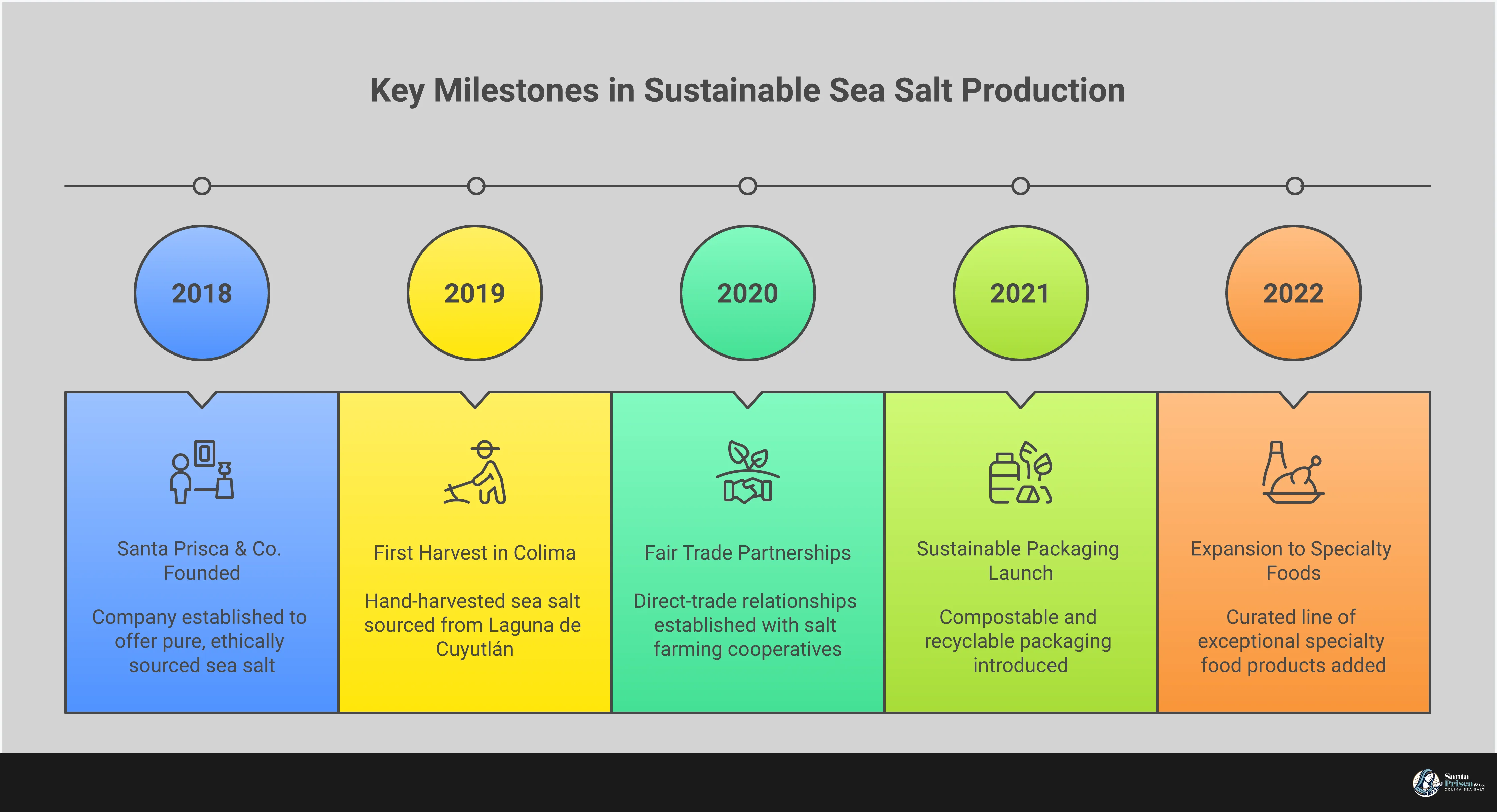
The journey of sea salt from the ocean to your kitchen is a beautiful story, but not all stories are told the same way. True sustainability in salt production is a thoughtful process, a partnership between people and nature. It’s about more than just where the salt comes from; it’s about how it’s gathered, the communities it supports, and the footprint it leaves behind. It’s a quiet rebellion against mass production, choosing patience and tradition over speed and efficiency. This approach ensures that the salt on your table is not only pure in flavor but also pure in its origins.
When a brand commits to sustainability, it chooses a path of intention. This means honoring the environment, preserving traditional methods, and ensuring that every crystal of salt is a pure expression of its origin. These brands understand that the ocean is not an endless resource to be exploited, but a living system to be respected. They see the salineros, the salt farmers, not as labor, but as artisans carrying on a legacy. This holistic approach is what transforms a simple seasoning into something truly special, connecting your cooking to a larger story of care and craftsmanship. Let’s look at the key practices that separate truly conscious brands from the rest.
Starting with Pure, Tested Waters
It all begins with the water. The quality of the ocean source directly shapes the purity and mineral profile of the final salt. Sustainable brands seek out pristine, unpolluted waters, often in protected coastal areas, to ensure their salt is free from modern contaminants.
For example, brands like Celtic Sea Salt® are known for sourcing from clean, protected coastlines. This careful selection means the salt retains a rich blend of essential minerals. When you taste a salt sourced from pure waters, you’re tasting the vitality of a healthy marine ecosystem—a clean, bright flavor that industrial salts simply can’t replicate.
The Difference Between Hand-Harvesting and Industrial Methods
How salt is gathered is just as important as where it comes from. Industrial methods often involve heavy machinery that can strip the salt of its delicate mineral structure. In contrast, traditional hand-harvesting is a gentle, meticulous art.
Artisans use traditional tools to carefully rake and collect the salt crystals from the evaporation ponds. Brands like Saltverk emphasize this hands-on approach, which preserves the unique texture and integrity of each flake. This method isn’t just about tradition; it’s about quality. Hand-harvesting ensures you receive a salt that is whole, unrefined, and full of character.
Investing in Local Communities
Sustainability extends beyond the environment to the people who steward the land. The most thoughtful brands build deep relationships with the local salt farmers, or salineros, ensuring they receive fair wages and support for their communities. This is a core part of our mission at Santa Prisca & Co.
When you purchase salt from a brand that invests in its community, you’re participating in a cycle of respect. You’re honoring generations of knowledge and helping to preserve a way of life. This connection creates a product with a story and a soul, turning a simple ingredient into a meaningful choice.
Mindful Packaging and a Lighter Footprint
A brand’s commitment to sustainability doesn’t end once the salt is harvested. The final step—packaging—is a crucial opportunity to minimize environmental impact. Conscious brands are moving away from single-use plastics and toward materials that are recyclable, compostable, or reusable.
Brands like Spicewell are a great example, offering their sea salt in plastic-free, compostable packaging. This choice reflects a holistic view of sustainability. It acknowledges that our responsibility extends to the entire lifecycle of a product, ensuring that our enjoyment in the kitchen doesn’t come at the planet’s expense.
What Are the Real Benefits of Sustainable Sea Salt?
When we choose sustainable sea salt, we’re doing more than just making an ethical choice. We’re inviting a different kind of nourishment into our kitchens. This salt isn’t just a seasoning; it’s a connection to the ocean, the sun, and the earth, carrying with it a purity that refined table salt simply can’t offer.
The benefits go far beyond a cleaner conscience. From a richer mineral profile to a more profound flavor that lets you season with intention, embracing sustainable sea salt is a simple, beautiful way to care for your body and deepen your relationship with the food you cook. It’s about honoring the ingredient for what it is—a gift from nature, minimally touched and full of life.
Rich in Essential, Bioavailable Minerals
Unlike processed table salt, which is stripped of its natural companions, sustainable sea salt retains a beautiful spectrum of trace minerals. When salt is hand-harvested and gently sun-dried, elements like magnesium, potassium, and calcium remain intact. Our Colima Sea Salt, for example, is naturally filtered through volcanic earth, a process that enriches it with a unique mineral signature. These minerals are in a form our bodies can readily recognize and use, adding a subtle layer of nourishment to every pinch.
Keeping Nutrients Intact with Unrefined Processing
The beauty of unrefined sea salt lies in what isn’t done to it. There’s no harsh chemical washing, bleaching, or anti-caking agents. The traditional, slow methods of harvesting and drying preserve the salt’s natural integrity. This gentle approach means you get the salt as nature intended: a complex crystal with its full mineral profile. When you switch to an all natural sea salt, you invite a whole new dimension of taste and intention into your cooking, honoring the ingredient in its purest form.
More Flavor Means You Can Use Less
One of the most immediate differences you’ll notice is the flavor. Artisanal sea salt has a depth and complexity that is clean, bright, and nuanced. Because the unique flavor profile is so much more pronounced and satisfying than the one-note sharpness of table salt, you’ll find you don’t need to use as much. A delicate sprinkle is often enough to bring a dish to life. This encourages a more mindful approach to seasoning, where a little bit of a high-quality ingredient does more than a heavy-handed pour of a processed one.
A Natural Way to Support Hydration
Proper hydration is about more than just drinking water; it’s about helping your body absorb it. The trace minerals found in unrefined sea salt are natural electrolytes, which play a key role in maintaining your body’s fluid balance. Adding a small pinch of mineral-rich sea salt to your morning glass of water can support electrolyte balance and help your cells hydrate more effectively. It’s a simple ritual that connects your pantry to your well-being, turning a basic seasoning into a tool for everyday wellness.
Let's Clear Up a Few Myths About Sea Salt
As more of us turn to whole, unprocessed foods, sea salt has found its rightful place in the conscious kitchen. But with its rise in popularity, a few misunderstandings have cropped up. It’s easy for marketing terms to cloud the truth, so let’s gently clear the air on some common myths. Thinking critically about our ingredients is one of the most powerful ways we can cook with intention.
When we understand the real story behind our salt, we can choose a product that truly nourishes us, honors the earth, and brings incredible flavor to our tables. It’s not about finding a "miracle" ingredient, but about making small, informed choices that add up to a more vibrant way of living and eating.
Myth: All Sea Salt is Low-Sodium
This is one of the most persistent myths out there. Chemically speaking, both sea salt and refined table salt are composed of sodium chloride. By weight, they contain very similar amounts of sodium, a fact that health organizations like the American Medical Association have worked to clarify.
The real difference lies in flavor and texture. Because a truly unrefined sea salt like our Colima Sea Salt has a complex mineral profile and a crisp flake, its flavor is more potent and nuanced. Many people find they can use less of it to achieve a richer taste, which can naturally lead to a more mindful sodium intake.
Myth: "Sea Salt" Always Means Healthier
The word "sea" evokes images of pristine waves and natural purity, but the label alone isn't a guarantee of quality. Many commercial sea salts are harvested industrially and undergo heavy processing—including being washed, bleached, and stripped of their natural trace minerals. Often, anti-caking agents are added back in, just like with table salt.
A truly healthier salt is one that remains in its whole, unrefined state. Look for terms like "hand-harvested," "unrefined," and "sun-dried" to ensure you're getting a salt that is free from additives and still contains the beautiful spectrum of minerals gifted by the ocean.
Myth: More Minerals Will Transform Your Health
Unrefined sea salt does contain dozens of trace minerals—like magnesium, potassium, and calcium—that are absent in processed table salt. These minerals are essential for our bodies and contribute to the salt’s unique flavor and color. However, it’s important to keep this in perspective.
While these minerals are beneficial, sea salt is not a supplement. As some wellness experts point out, the amount in a typical serving is quite small. Think of it as one supportive piece of a larger wellness puzzle, complementing a diet rich in fruits, vegetables, and other whole foods.
Myth: "Natural" Always Means Unprocessed
The term "natural" can be misleading on food labels. While sea salt does come from a natural source, the journey from ocean to table can involve a great deal of industrial intervention. As the makers of Isle of Skye Sea Salt note, harvesting can still involve various levels of processing.
A truly natural process is one that relies on ancient, time-honored methods—like using the power of the sun and wind for evaporation and harvesting the salt crystals by hand. This gentle approach ensures the salt’s mineral integrity is preserved. Always look beyond the front of the package to understand how your salt was actually produced.
Is Sustainable Sea Salt Worth the Price?
When you see a bag of hand-harvested sea salt next to a canister of standard table salt, the price difference can feel significant. It’s easy to wonder if it’s really worth it. I believe the answer is yes, but it requires a shift in perspective from cost to value. The price of a truly sustainable sea salt tells a story of the coast where it was born and the hands that gathered it. When you choose a salt like our Colima Sea Salt, you’re supporting a tradition and making a conscious choice for your well-being.
What You're Paying For: The Cost of Craftsmanship
Unlike mass-produced salts that are industrially mined, artisanal sea salt is the result of patience and human touch. Think of the salineros, or salt farmers, who work in harmony with the sun and sea, using ancient techniques to coax delicate crystals from the brine. Companies like Saltverk in Iceland explain that their sustainable, hand-harvested sea salt is gathered flake by flake. This meticulous process ensures a pure, unadulterated flavor that machines cannot replicate. The price reflects fair wages for artisans and the immense care that goes into producing an exceptional ingredient.
Thinking in Terms of Value, Not Just Price
The value of sustainable sea salt extends far beyond its taste. The price is influenced by ethical labor practices and the complex processes involved in harvesting. When you invest in a brand committed to sustainability, you’re supporting a system that respects both people and the environment. This commitment to quality is what sets certain brands apart. You’re paying for the peace of mind that comes from knowing your salt is free from anti-caking agents, bleaches, and other additives found in common table salt.
An Investment in Your Well-Being
Choosing a natural, mineral-rich sea salt is a simple yet profound act of self-care. When we move away from processed table salt, we invite a new dimension of flavor and intention into our kitchens. As we explore in our All-Natural Sea Salt Guide, these unrefined crystals contain trace minerals often stripped away during industrial processing. This isn’t just about what’s inside the salt; it’s about what it does for your food. The complex flavor means you often need less, and it’s a choice that honors the planet by supporting harvesting methods that are gentle on coastal ecosystems.
Where to Find the Best Sustainable Sea Salt
Once you know what to look for, finding sea salt that aligns with your values becomes a simple, rewarding practice. It’s about connecting with the story behind the salt and choosing sources that honor both the earth and the people who tend it. This search isn't just about stocking your pantry; it's an invitation to be more intentional with your ingredients, to understand their journey from the ocean to your table. The right salt doesn't just season your food—it brings a sense of place and purpose to your cooking. Whether you prefer to shop online from the comfort of your home or browse the aisles of a local market, here are a few places to discover truly exceptional sea salt that you can feel good about using every day.
Go Straight to the Source: Artisan Websites
There’s a special connection that forms when you buy directly from the people who make your food. Artisan sea salt brands often have the most transparent and inspiring stories, sharing their commitment to sustainable practices right on their websites. Many, like Santa Prisca & Co., collaborate with local salt farmers to ensure fair wages and preserve traditional harvesting methods. This direct relationship not only supports small communities but also guarantees a pure, high-quality salt that carries the essence of its origin. Shopping this way feels less like a transaction and more like becoming part of the story.
Explore Specialty and Gourmet Food Shops
Your local specialty food shop can be a treasure trove of thoughtfully sourced ingredients. These stores often curate their selections with great care, seeking out unique products from producers who prioritize quality and sustainability. Here, you’re likely to find salts harvested through eco-friendly methods. Most sea salt is produced by evaporating seawater, a beautifully simple process powered by sun and wind that leaves the salt’s rich mineral profile intact. It’s a wonderful way to discover new brands while supporting small businesses in your own community.
Convenient Online Retailers
For those who appreciate the ease of online shopping, several reputable brands make it simple to stock your pantry with high-quality sea salt. Companies like Celtic Sea Salt® have built a strong reputation by offering natural, unrefined salts known for their incredible mineral content and flavor. When shopping online, look for brands that are transparent about their sourcing and harvesting practices, often sharing details and photos of their process. This allows you to make a conscious choice from the comfort of your home, ensuring your purchase aligns with your wellness and environmental values.
Tips for Finding Deals and Buying in Bulk
Investing in high-quality salt doesn’t have to be complicated. When you find a brand you love, consider buying in bulk. It’s often more economical and reduces packaging waste, which is a win for both your wallet and the planet. Many brands offer transparent pricing models that help you understand the total cost, including shipping. Taking a moment to compare options can help you find the best value for a product that will nourish you for months to come, making intentional cooking an effortless part of your daily routine.
Related Articles
- The 5 Best Handcrafted Small Batch Sea Salts – Santa Prisca & Co
- Unrefined Sea Salt: Ultimate Flavor & Health Guide – Santa Prisca & Co
- Raw Sea Salt: A Guide to Flavor & Wellness – Santa Prisca & Co
- The Ultimate Guide to High Quality Sea Salt – Santa Prisca & Co
- Best Sea Salt for Health | Guide to Healthy Cooking Salt – Santa Prisca & Co
Frequently Asked Questions
What's the biggest difference between sustainable sea salt and the salt in a regular shaker? The primary difference comes down to the process. Most table salt is industrially produced, meaning it's often stripped of its natural trace minerals and may have anti-caking agents added. Sustainable sea salt, on the other hand, is harvested using traditional methods like solar evaporation and is left unrefined. This gentle approach preserves the salt's natural mineral complexity and unique crystal structure, which directly impacts its flavor and texture.
Does "hand-harvested" really make a difference, or is it just a fancy term? It makes a significant difference, both in the quality of the salt and the ethics behind it. Hand-harvesting is a gentle art that protects the delicate, flaky structure of the salt crystals, something heavy machinery can't do. It also signifies a commitment to people. This method supports artisan salt farmers and their communities, ensuring they are paid fairly for their incredible skill and preserving a cultural tradition.
If the mineral content is so small, why does it matter? While you shouldn't think of sea salt as a mineral supplement, the trace minerals are essential to what makes it special. They are responsible for the salt's nuanced, complex flavor, which is far more interesting than the one-note sharpness of refined salt. This rich taste often means you can use less. The presence of these minerals is also a sign that the salt is whole and unprocessed, just as nature intended.
How can I spot a genuinely sustainable brand and avoid marketing fluff? Look for transparency. A brand that is truly committed to sustainable and ethical practices will be proud to share its story. Check their website for details about where their salt comes from, the methods used to harvest it, and their relationship with the local community. Brands that are open about their process and the people behind their product are usually the ones you can trust.
Will I actually notice a difference in my cooking? Absolutely. You'll likely notice two things right away: flavor and texture. Unrefined sea salt has a cleaner, more complex taste that enhances the food it seasons rather than just making it salty. Because of this, you might find yourself using less. The texture, especially with flaky finishing salts, adds a delicate crunch that can completely change the experience of a dish, from a simple salad to a perfectly cooked steak.