
The Definitive Sea Salt for Steak Recipe Guide
Written By Santa Prisca & Co Staff Last updated on
The experience of a perfect steak begins with the sound—that satisfying crackle as your knife breaks through a deeply browned crust. Then comes the texture, a delicate crunch that gives way to a tender, juicy interior. This sensory moment is no accident. It is carefully built with one essential tool: a quality sea salt. The right salt does more than just make meat taste salty; it creates a complex flavor profile and is the architect of that irresistible crust. We’ll show you how to master this foundational skill, providing a complete sea salt for steak recipe and technique to create that perfect bite.
Key Takeaways
- The right salt makes all the difference: Opt for a coarse, unrefined sea salt. Its mineral-rich profile enhances the steak's natural flavor, and its texture is crucial for creating a satisfying, crunchy crust.
- Timing is your most important tool: For a deeply seasoned and tender steak, salt it at least 40 minutes before cooking. This allows the salt to draw out moisture and then be reabsorbed, seasoning the meat from within.
- A dry surface is the secret to a perfect sear: The main purpose of salting ahead of time is to create a dry surface on the steak. This is what allows the meat to form a deep, flavorful crust instead of steaming in the pan.
What Really Sets Sea Salt Apart?
When you think of salt, you might picture a simple white shaker on a diner table. But true sea salt is a world away from that. It’s an ingredient with a story, a journey that begins in the ocean and ends with a burst of flavor on your palate. The difference isn't just in the taste; it's in the texture, the mineral content, and the very way it’s brought into being. Understanding this distinction is the first step to transforming a good steak into an unforgettable one.
It’s about appreciating an ingredient that is shaped by the sun, the earth, and human hands. Unlike heavily processed table salt, which is stripped of its character, unrefined sea salt carries the essence of its origin. This journey from a pristine source to your kitchen is what gives it a complex flavor and a composition that works in harmony with high-quality ingredients, especially a beautiful cut of steak.
From Ocean to Table: The Journey of Sea Salt
Imagine ancient lagoons nestled near a volcano in Colima, Mexico. Here, saltwater is naturally filtered through the earth, gathering minerals along the way. This is where the story of our Colima Sea Salt begins. Instead of being mass-produced in a factory, this salt is hand-harvested by artisans who have practiced their craft for generations. They gently coax the salt crystals from the brine, allowing them to dry naturally under the warm Mexican sun. This patient, traditional method ensures that every delicate flake remains intact, preserving a pure, clean flavor that you simply can’t find in processed salt.
More Than Just Sodium: The Mineral Difference
That pristine journey from the earth does more than just preserve flavor—it maintains a rich mineral profile. While table salt is refined down to pure sodium chloride, unrefined sea salt contains a spectrum of essential minerals and electrolytes that our bodies recognize. This untouched, mineral-rich composition is a more holistic option for seasoning, supporting wellness by helping to improve hydration. When you season your steak with unrefined sea salt, you’re not just adding flavor; you’re adding trace minerals that were part of the salt’s natural state, without any additives or anti-caking agents.
A Difference You Can Taste and Feel
This is where the magic truly happens. The unique structure of hand-harvested sea salt creates a texture that transforms every bite. A clean, mineral-forward flake salt provides a crisp counterpoint to the richness of a perfectly cooked steak. As you take a bite, you get a delicate crunch followed by a burst of mineral depth that enhances the meat’s natural savory notes without overwhelming them. This isn't just saltiness; it's a complex flavor that lingers on the tongue. It’s a difference you can both taste and feel, turning a simple meal into a complete sensory experience.
Why Sea Salt Is a Steak's Best Friend
There’s a quiet alchemy that happens when the right salt meets a beautiful cut of steak. It’s more than just seasoning; it’s a partnership that transforms the meat, coaxing out its deepest flavors and creating an unforgettable texture. A pure, unrefined sea salt works with the beef to reveal its true character, turning a simple meal into a memorable experience. Forget the harsh, one-dimensional sting of iodized table salt. We're talking about crystals that carry the story of their origin—the sun, the sea, and the earth. When you choose a salt with intention, you’re not just adding flavor; you’re adding depth, history, and a touch of the wild. This simple ingredient is the key to the full potential of a quality steak, creating a crust that crackles and an interior that is perfectly seasoned and tender. It’s the difference between just cooking a steak and truly honoring it.
Drawing Out the Steak's True Flavor
A great sea salt amplifies, it doesn't overpower. Through a process called osmosis, salt draws moisture to the surface of the steak. This moisture dissolves the salt, creating a natural brine that is then reabsorbed back into the meat, seasoning it deeply from within. This simple interaction intensifies the steak's inherent, beefy character in a way that surface seasoning alone never could. Our hand-harvested Colima Sea Salt has a clean, bright salinity with a subtle mineral depth that enhances these rich notes without any chemical bitterness. It’s a pure flavor that allows the quality of the meat to shine through, tasting more like itself.
Creating That Irresistible Crust
That satisfying, crisp exterior on a perfectly cooked steak is no accident—sea salt is its essential partner. A generous coating of coarse salt is brilliant at pulling moisture from the surface of the meat. A drier surface is crucial for achieving the Maillard reaction, the magical chemical process that creates that coveted golden-brown crust and hundreds of new, complex flavor compounds. A clean, mineral-forward flake salt provides a crisp counterpoint to the richness of the fat. Each crystal offers a delicate crunch that contrasts beautifully with the tender, juicy interior, making every bite a complete sensory experience.
How Minerals Deepen the Flavor
Not all salt is created equal. Unlike highly processed table salt, which is stripped of its natural components, unrefined sea salt carries the trace minerals of its origin. Filtered through volcanic earth, our salt gathers a unique profile of minerals that contribute to a more complex flavor. These elements—like calcium, magnesium, and potassium—add a subtle, almost sweet depth that you simply can’t find in refined salt. This complexity complements the savory, umami notes in the beef, creating a more rounded and satisfying taste. It’s a difference that turns a simple meal into something that truly nourishes with its unrefined goodness.
Which Sea Salt Should You Use for Steak?
Choosing the right salt for a steak is more than just seasoning—it’s a critical step that defines the final flavor and texture. When you’ve invested in a beautiful cut of meat, the salt should honor it. The size of the crystal, its mineral content, and where it comes from can completely change your cooking experience. A simple shaker of table salt just can’t replicate the depth and crust you’re looking for. Let’s break down what really matters.
Choosing Your Crystal: Coarse vs. Fine
The first choice is texture. While fine salt dissolves instantly, a coarse sea salt is what gives you that satisfying, crunchy crust. Its larger crystals cling to the meat’s surface, drawing out moisture through osmosis—the key to a perfect sear. Many chefs prefer it because you can feel the crystals for a more even application. For a thick, bone-in steak, a good rule of thumb is about ¾ teaspoon of coarse sea salt. This ensures every bite has that perfect balance of savory crust and tender beef.
Why Unrefined Salt Matters
Beyond texture, purity matters. Most table salt is heavily refined, stripped of its natural minerals and treated with additives. Unrefined sea salt, however, is left in its natural state, retaining a spectrum of minerals like magnesium and potassium. These minerals do more than just support wellness and improve hydration; they create a more complex flavor. Instead of a sharp saltiness, you get a gentler, rounded taste that enhances food. It’s a more holistic way to season, connecting your cooking back to its source.
The Colima Sea Salt Difference
This is where it all comes together. Our Colima Sea Salt offers the best of both worlds: a coarse, flaky crystal and a rich, unrefined mineral profile. Hand-harvested from the sun-drenched salt flats of Colima, Mexico, its clean salinity has a subtle mineral depth that beautifully complements a great steak. Because it’s sun-dried and never processed, each crystal retains its unique character. It doesn’t just salt your steak; it adds a layer of texture and a whisper of its coastal origins. This is the salt for a truly memorable meal.
How to Season Your Steak: A Simple Guide
A perfectly cooked steak begins long before it hits the heat. It starts with a simple, intentional act of seasoning. This ritual doesn’t require a dozen different spices—just one essential ingredient and a bit of technique. Let’s walk through how to prepare your steak to honor its natural flavor.
First, Prep Your Steak
Before you even reach for the salt, take a moment with your steak. Unwrap it and gently pat it completely dry with a paper towel. This small step is your secret to achieving that deeply browned, irresistible crust. A dry surface allows the salt to adhere directly to the meat and helps the steak sear beautifully instead of steaming in the pan. Think of it as creating the perfect canvas for the salt to work its magic, ensuring every bite is rich and flavorful.
The Right Way to Apply Salt
This is where you connect with the food. Forget the shaker; use your hands. Generously sprinkle a coarse, unrefined sea salt from high above to get an even coating. Gently press the crystals into the front, back, and thick sides of the steak. Using a salt with a bit of texture, like our Colima Sea Salt, makes all the difference. Unlike fine table salt that can dissolve too quickly and create a harsh saltiness, these crisp flakes cling to the surface, enhancing the flavor and forming that coveted crust.
How Much Salt Is Enough?
While cooking is an intuitive art, a good starting point helps. A reliable guideline is to use about one teaspoon of coarse sea salt for every pound of steak. For a thick, bone-in cut, this might look like ¾ of a teaspoon for the whole piece. Don’t be shy—a good quality steak can handle a generous amount of salt. The goal isn't to make it taste salty, but to use the salt to amplify the meat's inherent flavor. Trust your senses; soon you’ll know the right amount just by sight and feel.
When Is the Best Time to Salt a Steak?
Timing is everything, especially in the kitchen. When it comes to preparing the perfect steak, the moment you add salt can completely change the texture and flavor of the final dish. It’s not just about sprinkling some on before you cook; it’s a thoughtful process that works with the meat, not against it. The salt needs time to perform its magic, drawing out moisture and then dissolving into a brine that gets reabsorbed, seasoning the steak from the inside out.
This process, known as osmosis, is what separates a good steak from a truly memorable one. Get the timing wrong—salting just 15 minutes before cooking, for instance—and you end up with a wet surface that steams in the pan instead of searing. This prevents the formation of that beautiful, deeply browned crust we all crave. To help you achieve steak perfection every time, let’s explore the three ideal windows for salting. Each method serves a different purpose, whether you have two days or two minutes to spare.
The 40-Minute Sweet Spot
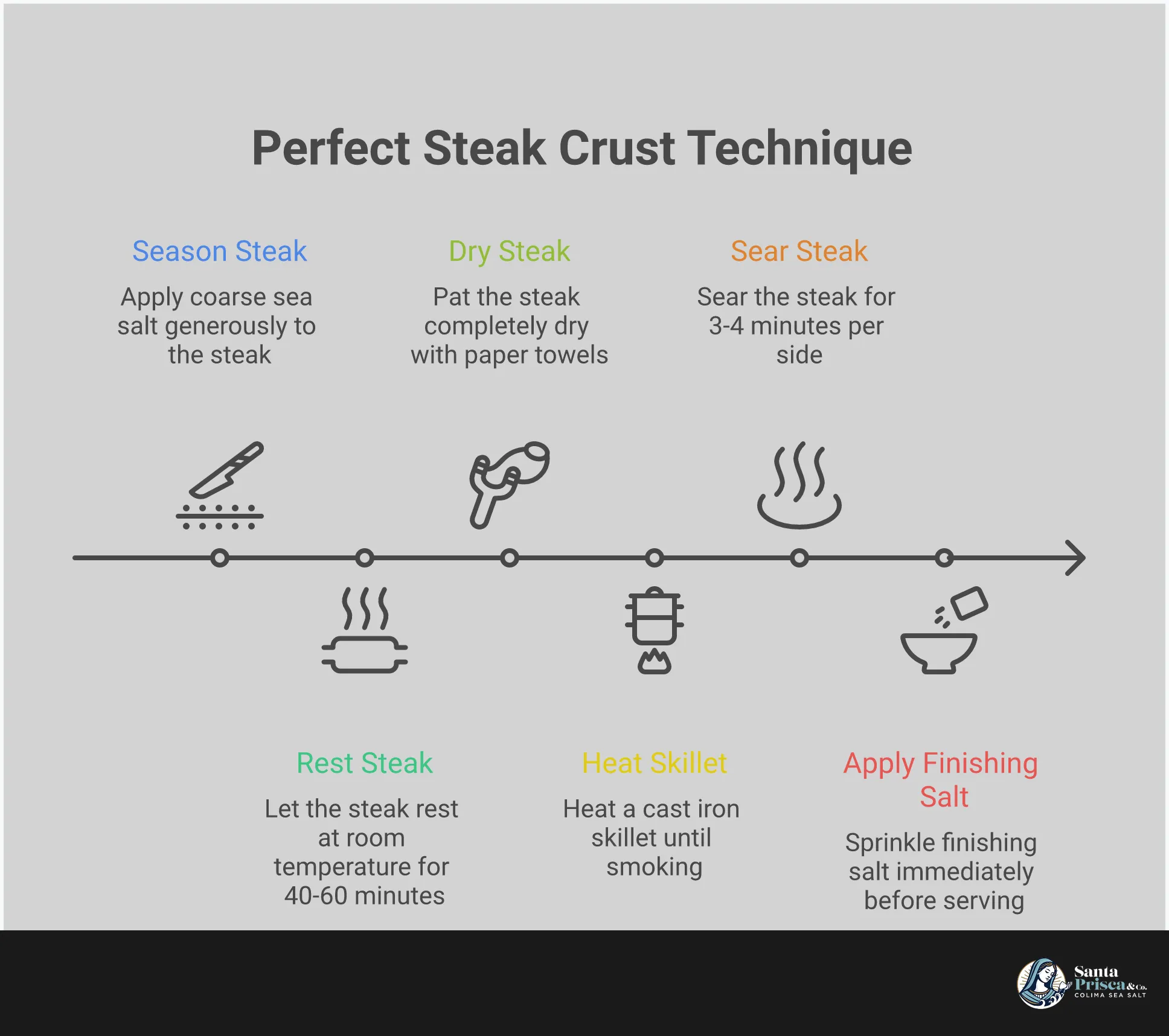
If you have a little time before dinner, this is your go-to method. Season your steak generously with coarse sea salt and let it rest at room temperature for at least 40 minutes and up to an hour. At first, you’ll see moisture bead up on the surface. This is the salt drawing water out of the meat. But then, something wonderful happens. That moisture dissolves the salt, creating a natural brine that is slowly pulled back into the steak. This seasons the meat deeply and helps break down muscle proteins, resulting in a more tender and flavorful bite. It’s a simple pause that pays off beautifully.
For Deeper Flavor: The Overnight Dry Brine
For those who love to plan, the overnight dry brine is a game-changer. This technique involves salting the steak and letting it rest, uncovered, on a rack in the refrigerator for at least one night and up to 48 hours. The extended time allows the salt to penetrate deep into the muscle, seasoning it thoroughly. The cold, dry air of the fridge also wicks away surface moisture, leaving the exterior perfectly dry. This is the secret to achieving an incredible, edge-to-edge crust. Using a pure, unrefined salt like our Colima Sea Salt ensures the flavor is clean and mineral-rich, complementing the beef without overpowering it.
When You're Short on Time: The Last-Minute Method
What if dinner needs to happen right now? Don’t worry. If you can’t salt at least 40 minutes ahead, your next best option is to season it immediately before it hits the hot pan. Pat the steak completely dry with a paper towel, then season it generously on all sides. For a thick, bone-in steak, about ¾ teaspoon of coarse sea salt is a great starting point. By cooking it right away, the salt doesn’t have time to draw out moisture. Instead, the crystals stay on the surface, helping to create a fantastic crust while seasoning the exterior. This method delivers a classic steakhouse experience with a satisfying, savory bite.
How to Cook Your Perfectly Seasoned Steak
With your steak perfectly prepped and seasoned, the final step is the fire. Cooking is where the salt’s magic truly comes to life, transforming the surface into a deeply flavorful, caramelized crust. Whether you prefer a cast-iron skillet or an open grill, the goal is the same: to honor the ingredient with focused heat and intention.
Mastering the Pan-Sear
A beautiful pan-sear begins with a very hot, heavy-bottomed skillet, preferably cast iron. The even, radiant heat is essential for developing that coveted crust. Add a touch of a high-smoke-point fat, like ghee or avocado oil, and let it shimmer.
Place your seasoned steak in the pan, and listen for that immediate, satisfying sizzle. This is the sound of a proper sear beginning. Resist the urge to move it for the first few minutes. Letting it sit allows the surface to caramelize deeply. When you flip it, you should see a rich, brown crust that is both aromatic and full of flavor.
Tips for the Grill
Grilling imparts a smoky essence that you just can’t get anywhere else. The key is to get your grill grates incredibly hot and clean before the steak ever touches them. This high heat ensures a fast sear, locking in moisture and creating those beautiful grill marks.
Just before grilling, pat your steak dry one last time. A clean, mineral-forward flake salt, like our Colima Sea Salt, provides a crisp counterpoint to the richness of the fat and the char from the flame. Let the fire do its work, turning the steak only once to achieve a perfect medium-rare.
How to Get That Perfect Crust
That irresistible crust isn’t just about heat; it’s a direct result of proper salting. As we discussed, salt pulls moisture from the steak to create a brine that is then reabsorbed. This process of air drying the steak is what makes the surface dry enough to sear beautifully rather than steam.
For a different approach, you can try heating coarse sea salt directly on a griddle until it begins to pop. Then, place the unseasoned steak right on top of the hot salt. This method creates an incredibly even, salty crust while gently cooking the meat, allowing its natural character to shine through.
Is Your Steak Seasoned Perfectly? Here's How to Tell
Trusting your senses is one of the most beautiful parts of cooking. Learning to season a steak perfectly isn't about exact measurements; it's about observation and intuition. It’s a quiet conversation between you, the salt, and the steak. When you use a pure, mineral-rich salt, you’re not just adding flavor—you’re transforming texture and awakening the deepest character of the meat. With a little practice, you’ll know just by looking and feeling when the seasoning is just right.
What to Look and Feel For
Pay close attention after you’ve salted your steak. At first, you’ll see the salt crystals begin to draw moisture to the surface, creating a delicate, glistening sheen. This is the first step in a beautiful process. As the salt dissolves into this moisture, it creates a natural brine that is slowly reabsorbed back into the meat.
This is where the magic happens. The steak’s surface will begin to look dry again, and the color may deepen slightly. The meat itself will feel a bit firmer and more taut to the touch. This is your sign that the salt has done its work, tenderizing the muscle fibers and seasoning the steak from within.
A Note on Tasting as You Go
While you can’t exactly taste a raw steak, you can season with intention. It’s always better to start with a little less salt than you think you need. You can always add a finishing sprinkle at the end, but you can’t take away what’s already there. This is especially true when using a complex, unrefined sea salt like our Colima Sea Salt, where the flavor is about mineral depth, not just sodium.
Think of it as building layers of flavor. A thoughtful first layer before cooking creates a foundation. Then, you can add a final, delicate crunch just before serving if needed. This approach gives you complete control and ensures the final result is balanced.
How to Adjust Seasoning Mid-Cook
Did you realize halfway through cooking that you went a little too light on the salt? Don’t worry. You can absolutely adjust as you go. The key is to do it carefully. If you’re pan-searing, add a small pinch of fine sea salt to the pan with the butter and aromatics you might be using to baste the steak.
If you’re grilling, you can add a very light sprinkle directly onto the surface. Just be mindful that different salts have different potencies. It’s always best to start with less and add slowly until the flavor feels right. A fine-grain sea salt will dissolve quickly, making it a great choice for mid-cook adjustments without creating overly salty spots.
Common Seasoning Mistakes (and How to Avoid Them)
We’ve all been there—a beautiful cut of steak, slightly let down by its seasoning. But these moments in the kitchen are simply part of the learning process. Honing your intuition around seasoning is one of the most rewarding skills a home cook can develop, and a few simple adjustments can make all the difference between a good meal and a truly memorable one.
Using Too Much Salt
It’s surprisingly easy to over-salt a dish, especially when you’re working with different types of salt. Not all salt is created equal in volume or intensity. The size and shape of the crystals determine how much fits into a measuring spoon; a teaspoon of fine sea salt, for instance, will taste much saltier than a teaspoon of coarse, flaky salt because more crystals are packed into the same space.
The key is to season with intention. Rather than dumping the amount a recipe calls for, it's better to start with a little less. Taste as you go, and add more slowly until the flavors feel balanced and bright. A pure, unrefined salt carries so much mineral depth that you’ll often find a little goes a long way.
Choosing the Wrong Texture
The texture of your salt does more than just add flavor; it fundamentally changes how the seasoning interacts with the steak. Many chefs prefer kosher salt for seasoning meat because its large, coarse grains spread easily and adhere well to the surface, which is essential for building a good crust.
However, a high-quality, unrefined sea salt offers a more holistic experience. The unique, irregular crystals of our Colima Sea Salt provide both fine and coarse flakes in one pinch. The smaller crystals dissolve to season the meat deeply, while the larger ones create that satisfying, crunchy crust. It’s the best of both worlds, all while infusing the steak with a rich mineral complexity you can truly taste.
Getting the Timing and Moisture Wrong
Patience is a cook’s most valuable ingredient, especially when it comes to salting a steak. When you first apply salt, it begins to draw moisture out of the meat through osmosis. If you watch closely, you’ll see little beads of water form on the surface. This is where the magic happens.
Given enough time, that moisture dissolves the salt, creating a natural brine that gets reabsorbed back into the steak. This process not only seasons the meat from the inside out but also helps tenderize it. For the best results, salt your steak generously and let it rest uncovered in the fridge for at least an hour, or even up to 48 hours. This simple act of waiting transforms the flavor and texture in a profound way.
The Finishing Touch
The steak is off the heat, smelling incredible. But the final moments before you take that first bite are just as important as the cooking itself. These last steps are where a good steak becomes a truly memorable one, transforming it with texture, aroma, and perfectly retained juices.
Why You Need a Finishing Salt
A finishing salt is the final flourish, a sprinkle of magic applied just before serving. Unlike the salt used to season the raw meat, its purpose is less about deep flavoring and more about texture and a final, bright burst of flavor. A clean, mineral-forward flake salt, like our Colima Sea Salt, provides a crisp counterpoint to the richness of the fat. Each crystal offers a delicate crunch that dissolves on the tongue, enhancing the steak’s savory notes without overpowering them. It’s a small detail that creates a complete sensory experience.
Herbs and Spices that Pair Well
While a perfectly cooked steak and a quality finishing salt need little else, a few classic companions can add another layer of depth. Coarsely ground black pepper is the most traditional partner, its gentle heat a perfect match for the beef. For a more aromatic touch, consider melting butter with a sprig of fresh rosemary or thyme and spooning it over the steak as it rests. The key is to choose flavors that complement, not compete. The goal is to honor the rich flavor of the meat and the clean minerality of the salt.
Don't Forget to Rest Your Steak
This might be the most difficult part: waiting. But resting your steak is a non-negotiable step for a juicy, tender result. As the steak cooks, its muscle fibers tighten and push moisture to the center. Slicing into it immediately will send all those flavorful juices running onto your plate. By letting it rest for 5 to 10 minutes, you allow the fibers to relax and reabsorb that moisture. This simple act of patience ensures every single bite is as succulent as possible. It’s the final, quiet moment of preparation before you serve and enjoy.
Related Articles
- Coarse Sea Salt for Steak: A Complete Guide
- The Art of Using Coarse Sea Salt for Steak
- The Ultimate Guide to Finishing Salt for Steak
- The Best Salt to Finish a Steak: 8 Top Choices
Frequently Asked Questions
Why can't I just use my regular table salt for a good steak? Think of it this way: table salt has been stripped of all its natural character, leaving only a sharp, one-dimensional saltiness. An unrefined sea salt, on the other hand, carries the minerals from its origin. This gives it a more complex, gentle flavor that actually enhances the rich, beefy notes of the steak instead of just masking them. Plus, the coarse, flaky texture is essential for creating that incredible crust we all love.
I'm worried about making my steak too salty. How do I know how much to use? This is a completely valid concern, and it’s why using your hands instead of a shaker is so important. A good starting point is about one teaspoon of coarse salt per pound of steak, but the real key is to look for an even, generous coating. A quality, flaky sea salt is more forgiving than fine salt, as its larger crystals spread out more. Over time, you’ll develop an intuition for it just by sight and feel.
You mention a few different times to salt a steak. Which method is truly the best? The "best" method really depends on the time you have and the result you're after. For the absolute best flavor penetration and an unbeatable crust, the overnight dry brine is my go-to. If you only have about an hour, the 40-minute rest at room temperature works beautifully to create a tender, juicy steak. And if you're in a rush, salting immediately before cooking is far better than letting it sit for just 10 or 15 minutes.
My sea salt is fine-grain. Can I still use it to get a good crust on my steak? You can certainly use fine-grain sea salt, but it behaves very differently. Because the crystals are so small, they dissolve almost instantly and can draw moisture to the surface without creating that same textural, crunchy crust you get from coarser flakes. It's also much easier to accidentally over-salt with fine grains. For that signature steakhouse finish, a coarse, flaky salt is definitely the way to go.
Do I really need a separate 'finishing salt' if I've already seasoned my steak? You don't need one, but it adds a beautiful final layer to the experience. The salt you use before cooking works its way deep into the meat for flavor. A finishing salt is all about that first bite—it adds a bright, clean pop of salinity and a delicate crunch that contrasts with the tender steak. It’s a simple touch that makes the meal feel more intentional and complete.