
Iodized or Non-Iodized Salt for Cooking: Which to Use?
Written By Santa Prisca & Co Staff Last updated on
Every crystal of salt carries the story of its origin—the sun, the sea, the earth. A hand-harvested sea salt tells a tale of ancient waters and careful craftsmanship. In contrast, modern table salt often has its story stripped away, refined to pure sodium chloride before having anti-caking agents and iodine added back in. It becomes a product of a factory, not the earth. Choosing between iodized or non iodized salt for cooking is a choice between a functional public health tool and a pure, natural ingredient that connects you to its source. Let’s explore the real difference, so you can decide which story you want to bring into your kitchen.
Key Takeaways
- Choose salt with intention: Iodized salt is a functional ingredient designed to deliver iodine for thyroid health, while unrefined sea salt is chosen for its pure, mineral-rich flavor and delicate texture that enhances your food.
- Match your salt to the task: For delicate applications like baking, preserving, and finishing dishes, a pure, non-iodized salt is best. It provides clean salinity without the risk of a bitter aftertaste or discoloration in your final product.
- Source iodine from whole foods: You can confidently cook with unrefined sea salt by incorporating iodine-rich foods like seafood, dairy, and eggs into your diet, allowing you to prioritize pure flavor without compromising on wellness.
Iodized vs. Non-Iodized Salt: What's the Real Difference?
Walking down the grocery aisle, you’re met with a wall of options: fine, coarse, pink, grey, iodized, non-iodized. It’s easy to feel overwhelmed. Salt is the foundation of flavor, but the story behind each crystal is often overlooked. Understanding the distinction between iodized and non-iodized salt is about more than just taste—it’s about connecting with your ingredients and making intentional choices for your health and your cooking.
Let’s clear up the confusion, so you can feel confident in the salt you bring into your kitchen.
What Is Iodized Salt (And Why Was It Created)?
Iodized salt is simply table salt with a small amount of iodine added. This practice began in the early 1900s as a public health initiative to combat widespread iodine deficiency, a serious issue that can affect thyroid function. For many people, iodized salt became the primary, and sometimes only, way to get enough of this essential micronutrient.
Think of it as a quiet intervention, a simple addition to a kitchen staple that had a profound impact on public health. While our modern diets often include other iodine-rich foods like fish, dairy, and seaweed, iodized salt remains a reliable source for many households. It was created with a specific purpose in mind: to support the body’s fundamental needs on a massive scale.
The Natural State of Non-Iodized Salt
Non-iodized salt is salt in its pure, unfortified form. It’s simply sodium chloride, often with a rich profile of trace minerals from the earth, just as nature intended. This is the salt that chefs and passionate home cooks often reach for, especially for specific culinary tasks.
When you’re pickling or canning, for example, some cooks prefer non-iodized salt to ensure the iodine doesn’t affect the color or flavor of their preserves. More importantly, unrefined sea salts like our Colima Sea Salt offer a clean, bright salinity and a unique mineral depth that you just don’t find in processed table salt. Its crisp, delicate flake dissolves beautifully, enhancing food without overpowering it. This is salt celebrated for its origin, texture, and pure flavor.
Separating Salt Fact from Fiction
There’s a common belief that sea salt is automatically healthier than iodized salt, but the reality is a bit more nuanced. The primary health benefit of iodized salt is its ability to deliver iodine, which is crucial for a healthy thyroid gland. If your diet is otherwise low in iodine, it serves an important purpose.
But what about flavor? Many people worry that iodine adds a chemical or bitter taste to their food. However, studies have shown that the amount of potassium iodide in salt is far too low to be detected by most palates. The real difference in flavor between salts comes from their mineral content, crystal size, and texture—not the iodine. A hand-harvested sea salt tastes different from a fine, processed salt because of its unique composition, which tells the story of the water and earth it came from.
Why Your Body Needs Iodine
Iodine is a quiet but essential mineral, a micronutrient that plays a surprisingly large role in our overall sense of vitality. While we often focus on salt for its flavor and texture, it’s worth taking a moment to understand iodine’s place in our wellness journey. For decades, salt has been the primary vehicle for this nutrient, but understanding why it’s so important helps us make more intentional choices in our kitchens and for our bodies. When we know where our nutrients come from, we can build a diet that is both delicious and deeply nourishing.
How Iodine Supports Thyroid Health and Metabolism
At the center of iodine’s story is the thyroid, a small, butterfly-shaped gland in your neck. This gland is your body’s metabolic powerhouse, and it relies on iodine to produce the hormones that regulate everything from your energy levels to your body temperature and heart rate. Think of iodine as the key raw material your thyroid needs to do its job. When your thyroid is functioning properly, your metabolism runs smoothly, supporting steady energy and balanced growth. A well-supported thyroid is a cornerstone of feeling vibrant and well.
The Risks of Iodine Deficiency
Before the 1920s, iodine deficiency was a widespread issue, especially in regions far from the ocean where the soil lacks this essential mineral. This deficiency can cause the thyroid to enlarge in an attempt to capture more iodine from the blood, a condition known as a goiter. To address this public health concern, manufacturers began adding iodine to table salt, creating a simple and effective way to ensure populations received enough. This initiative was incredibly successful, but it also tied the idea of a "healthy" salt exclusively to iodized versions, which we now know is only part of the story.
Finding Iodine in Your Food (Beyond the Salt Shaker)
While iodized salt is one way to get this mineral, nature provides many beautiful, whole-food sources. The ocean is rich with iodine, which means that seafood is an excellent option. Fish like cod and tuna, as well as shrimp and especially sea vegetables like kelp, kombu, and nori, are packed with it. Dairy products and eggs also contain iodine. By incorporating these foods into your meals, you can easily meet your body’s needs naturally. This approach allows you to choose a pure, unrefined salt—like our Colima Sea Salt—for its incredible flavor and trace minerals, without worrying about your iodine intake.
Iodine Needs During Pregnancy and Childhood
Certain life stages call for more mindful attention to iodine. During pregnancy, infancy, and childhood, this mineral is absolutely critical for healthy brain and bone development. The thyroid hormones that depend on iodine play a fundamental role in forming the central nervous system. This is why healthcare providers often emphasize the importance of sufficient iodine intake for expectant mothers and young children. Ensuring a diet rich in iodine-containing foods during these formative years provides a powerful foundation for lifelong health and well-being, supporting growth from the very beginning.
Does Iodized Salt Affect the Flavor of Your Food?
The salt you choose does more than just season your food—it shapes its final character. While iodized salt was created for an important public health reason, many of us who cook with intention wonder about its impact on flavor. Does the addition of iodine introduce a taste that wasn't meant to be there? The answer often lies in how you’re using it. When salt is dissolved into a complex stew or a hearty sauce, the difference can be subtle. But when it’s the star of the show, the distinction becomes clear. For those of us who appreciate the pure, unadulterated taste of our ingredients, choosing a salt without additives is a simple act of honoring the food we prepare.
The Impact on Everyday Cooking
In your day-to-day cooking, you might not always notice the difference between iodized and non-iodized salt. Some taste tests have shown that when dissolved, many people can't distinguish between them. However, the story changes when salt is used as a finishing touch. Imagine sprinkling salt over ripe tomato slices or a perfectly cooked steak. Here, the salt’s true flavor comes forward. Iodized salt can sometimes leave a faint chemical or metallic bitterness on the palate, a subtle but distinct note that can distract from the food’s natural taste. Using a pure, unrefined sea salt ensures the flavor you get is clean mineral depth, enhancing the dish without altering it.
Why Pure Salt Is Essential for Baking
Baking is a delicate science where every ingredient matters. Because the flavors are often subtle and precise, the type of salt you use can have a noticeable effect. Iodized salt can impart a harsh, slightly bitter flavor that clashes with the delicate notes of vanilla, butter, and chocolate. Using a pure, non-iodized salt is one of the best practices for baking because it provides a clean salinity that balances sweetness and enhances flavor without any chemical aftertaste. It allows the true essence of your ingredients to shine through, resulting in baked goods that taste exactly as you intended—rich, balanced, and deeply satisfying.
Choosing the Right Salt for Pickling and Preserving
When you take the time to preserve the season’s harvest, you want the results to be as pure and beautiful as the produce you started with. This is why non-iodized salt is the standard for pickling and canning. The additives in iodized salt, including iodine itself, can cause the brine to become cloudy and may even discolor the vegetables over time, turning them a dull, unappealing color. While the effect on flavor is often minimal, using a pure, unrefined sea salt is a simple way to ensure your preserved foods look and taste their absolute best. It’s about honoring the integrity of the ingredients and the tradition of preserving.
What Professional Chefs Use (and Why)
Walk into nearly any professional kitchen, and you’ll find that chefs almost exclusively use non-iodized salt. The reason is simple: control and purity. Professional cooks work tirelessly to build layers of flavor, and they can't risk an ingredient that might introduce an unwanted metallic or chemical note. As many culinary experts point out, the taste of iodized salt is something most professional cooks dislike. They choose salts like pure kosher or hand-harvested sea salt for their clean taste and consistent performance. Using a salt like our Colima Sea Salt allows you to cook with that same intention, ensuring every dish is seasoned with nothing but pure, mineral-rich flavor.
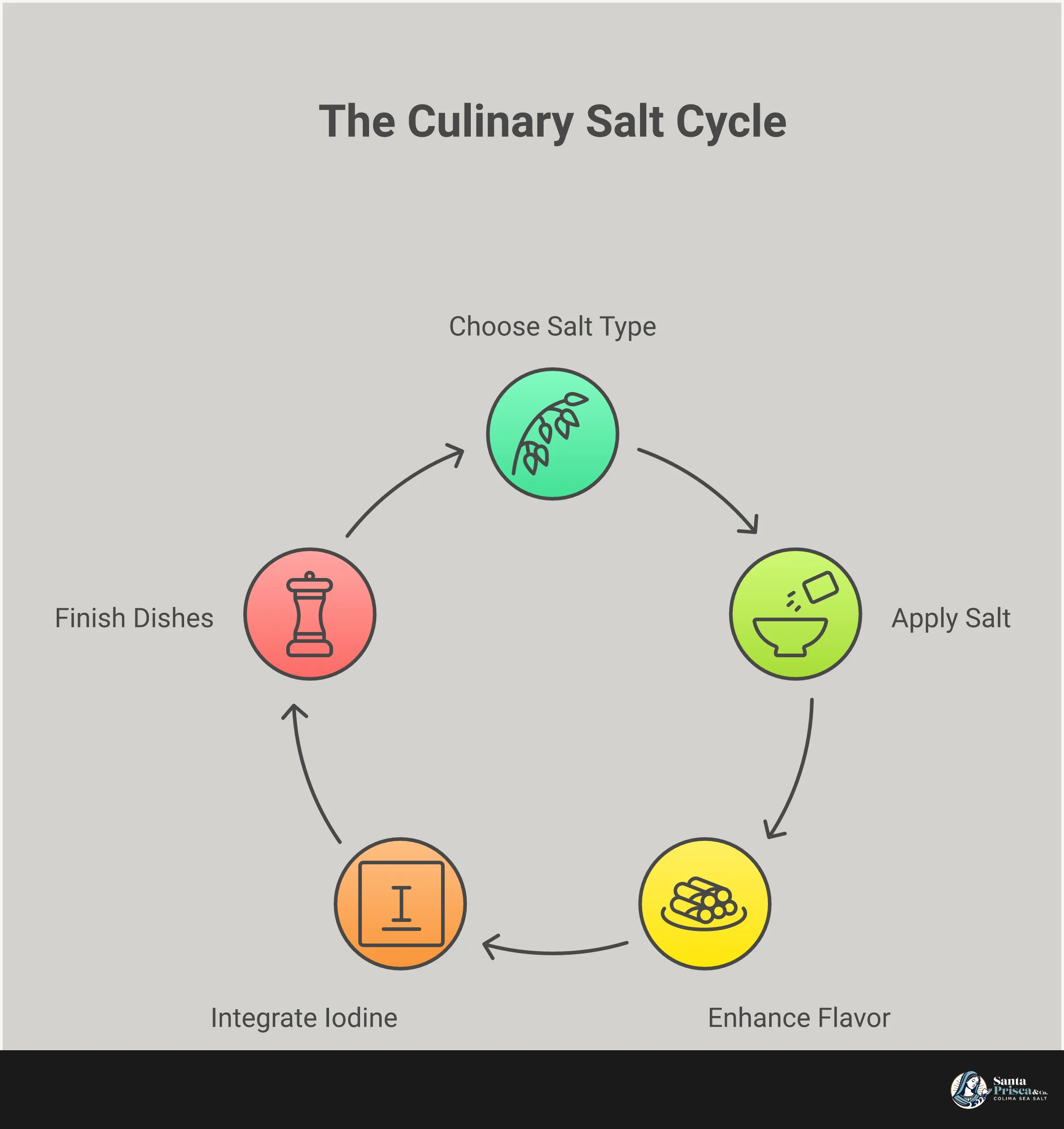
How to Choose the Right Salt for Your Kitchen
Choosing a salt is about more than just a line in a recipe; it’s an invitation to connect more deeply with your ingredients. The right salt doesn’t just season—it transforms texture, enhances flavor, and brings a story to your table. Moving beyond the standard shaker opens up a world of culinary possibility and mindful nourishment. Let’s explore how to select the perfect salt for every dish, balancing the needs of your body with the art of your craft.
Pairing Salt with Different Cooking Methods
The texture of your salt has a profound impact on your cooking. Fine, dense table salt dissolves instantly, making it easy to over-season. In contrast, a coarser, flakier sea salt offers incredible control. Many chefs and home cooks prefer a salt with a bit of structure, as the larger flakes are easier to pinch and sprinkle by hand, allowing you to feel the seasoning as you go. This tactile connection helps you distribute it more evenly over a roasted chicken or a tray of vegetables. For a delicate finishing touch, the crisp flake of a hand-harvested salt like our Colima Sea Salt can be crushed between your fingers, adding a final burst of clean, mineral flavor that lingers on the tongue.
Balancing Your Health Needs with Culinary Craft
The conversation around salt often turns to iodine. Iodized salt was introduced to combat iodine deficiency, a real public health concern. It’s an effective tool for ensuring people get enough of this essential nutrient, which is crucial for a healthy thyroid gland. However, choosing an unrefined, non-iodized salt for its superior flavor and texture doesn’t mean you have to neglect your health. It’s simply an opportunity to source your iodine from whole foods instead. When you cook with intention, you can honor both the integrity of your ingredients and the wellness of your body, creating a kitchen practice that feels both artful and nourishing.
How to Build a Thoughtful Salt Pantry
Curating a small collection of salts can bring so much dimension to your cooking. While many recipes simply call for "salt," they are often written with a specific type in mind. It’s helpful to have a versatile workhorse salt for everyday seasoning, brining, and cooking pasta water. For baking, a pure, unrefined sea salt without additives ensures a clean flavor that won’t interfere with the delicate chemistry of your doughs and batters. And when it comes to pickling or preserving, non-iodized salt is the preferred choice, as some find that iodine can affect the color and taste of the final product. Exploring different salts allows you to build a pantry that reflects your personal cooking style.
Simple Ways to Ensure You're Getting Enough Iodine
If you choose to cook primarily with a beautiful, unrefined sea salt, you can easily get your iodine from other natural sources. A diet rich in whole foods often provides all you need. Foods like seafood (especially cod and tuna), seaweed, dairy products, and eggs are excellent sources of this vital mineral. By incorporating these ingredients into your weekly meals, you can confidently season your food with the pure, unadulterated salt of your choice. Of course, if you have specific health concerns or thyroid conditions, it’s always wise to check with your doctor to understand your unique dietary needs.
Related Articles
- Sea Salt for Cooking: Types, Benefits, and How to Use It Like a Pro
- The Top 5 Non-Iodized Salt Brands for 2025
- All Natural Sea Salt: Know the Flavor and Health Benefits
- All Natural Sea Salt 101: A Complete Guide
- Best Sea Salt for Health | Guide to Healthy Cooking Salt
Frequently Asked Questions
If I switch to a non-iodized sea salt, will I become iodine deficient? For most people, the answer is no. While iodized salt was created to solve a real public health issue, our modern diets often include plenty of other iodine sources. Foods like fish, shrimp, dairy products, and sea vegetables like kelp are naturally rich in this mineral. Choosing an unrefined sea salt is simply an invitation to get your nutrients from whole foods, allowing you to enjoy pure flavor without compromising your wellness.
Can you really taste the difference between iodized and non-iodized salt? The difference is most noticeable when salt is used as a finishing touch. When dissolved in a soup or stew, the distinction can be subtle. But when you sprinkle salt over a fresh salad or a warm chocolate chip cookie, the flavor comes forward. Some people find iodized salt can leave a faint metallic or bitter aftertaste, while a pure, unrefined sea salt offers a clean, bright salinity that enhances the food’s natural character.
Why is non-iodized salt so important for baking and pickling? In baking, every ingredient contributes to the final flavor, and purity is key. The additives in iodized salt can sometimes impart a harshness that clashes with delicate ingredients like vanilla and butter. For pickling and preserving, the reason is more technical. The anti-caking agents and iodine found in table salt can cause your brine to become cloudy and may even discolor your beautiful vegetables over time.
Is sea salt automatically a better choice than regular table salt? Not all sea salts are created equal. The real distinction is between unrefined and refined salt. Much of the salt on grocery store shelves, including some sea salt, is heavily processed, stripping it of the trace minerals that give it character. A hand-harvested, unrefined sea salt is special because it retains its natural mineral complexity, which translates to a more nuanced flavor and texture in your cooking.
Do I really need different salts for different kinds of cooking? You certainly don’t need a dozen, but having two or three types can make a wonderful difference. Think of it like having different oils for different purposes. A fine, pure sea salt is perfect for baking, where it dissolves evenly. A coarser salt is great for seasoning pasta water or making a brine. And a beautiful flake salt is the perfect finishing touch for adding texture and a final burst of flavor right before serving.