
What is the Purest Salt to Eat? A Shopper's Guide
Written By Santa Prisca & Co Staff Last updated on
The salt aisle can feel surprisingly complex. There are rosy pink slabs, delicate grey flakes, and coarse white crystals, each with its own story. It’s easy to feel overwhelmed by the choices and simply grab what’s familiar. But what if the key to choosing well was simpler than you think? It all comes down to one central question: what is the purest salt to eat? Understanding the answer helps you look past the marketing and focus on what truly matters—a clean source, minimal processing, and a transparent journey from the earth to your table. Let this be your guide to finding a salt you can feel good about.
Key Takeaways
- Look Beyond the "Natural" Label: True purity is about what's been kept out of your salt. Choose salts that are free from additives and anti-caking agents, and look for verification that they are low in modern contaminants like heavy metals.
- Understand Your Salt's Journey: A salt’s quality is shaped by its origin. Prioritize unrefined salts from pristine, protected sources to ensure you get a product rich in natural trace minerals, not one that’s been industrially stripped and treated.
- Choose Brands That Are Transparent: The most trustworthy companies are open about their entire process. Look for brands that proudly share their salt's origin story, harvesting methods, and provide third-party lab results to confirm its purity.
What Does "Pure" Salt Really Mean?
When you reach for salt in the kitchen, what do you picture? A simple, white crystal? The word "pure" gets used a lot in the food world, but when it comes to salt, its meaning goes much deeper than what you see in the shaker. It’s not just about being white or finely ground. True purity is about what’s been left untouched—and what’s been kept out.
It’s a story of origin, of minimal intervention, and of a clean journey from the earth to your table. Let's explore what it truly means to find a pure salt, so you can feel confident and connected to the ingredients you use every day.
Beyond Sodium Chloride: The Basics of Salt
At its core, all salt is sodium chloride. But that’s where the similarities between a salt harvested from a pristine salt flat and one from a factory end. When we talk about "pure" salt, we’re referring to its natural state—free from the anti-caking agents, bleaching chemicals, and other additives found in common table salt.
Think of it this way: pure salt is salt as nature intended. It often contains a beautiful spectrum of trace minerals that contribute to its unique flavor and texture. These minerals aren't impurities; they are part of the salt’s character, a signature of its origin. Choosing a salt with minimal heavy metals and microplastics means you're choosing an ingredient that is clean, whole, and unburdened by industrial processing.
How We Measure Salt Purity
So, how can we be sure a salt is truly clean? Purity today is measured by what isn't in the salt. In our modern world, contaminants from pollution can find their way into our food sources, and salt is no exception. The most reliable way to verify purity is through independent, third-party lab testing.
These tests screen for unwanted elements like heavy metals (lead, arsenic, mercury) and microplastics. A comprehensive salt safety analysis can reveal what the naked eye can't see, offering a clear picture of a salt's integrity. When a brand is transparent about its testing, it shows a deep commitment to quality and your well-being. It’s about having the peace of mind that every pinch you add to your food is nourishing, not just flavorful.
Where Does Purity Come From?
The story of a salt’s purity begins long before it reaches your kitchen. It’s a tale of origin, of process, and of intention. Understanding where your salt comes from—and what happens to it along the way—is the first step in choosing a truly clean, life-giving mineral for your table. From the sun-drenched sea to the careful hands that harvest it, every part of the journey matters.
The Journey from Sea to Table
At its heart, all salt comes from the sea. Unrefined sea salt is the result of a beautiful, patient collaboration between sun and water. As seawater evaporates, it leaves behind crystalline minerals. This isn't just sodium chloride; it's a complex gift from the ocean, containing trace elements our bodies recognize and need. Salt is essential for how our bodies work properly, helping to balance fluids and support nerve and muscle function. When we choose salt that has been gently harvested, we’re choosing a product that honors this natural process and retains its connection to the source.
Refined vs. Unrefined: What's the Difference?
The path from sea to shaker can take two very different turns. Unrefined salt, like our Colima Sea Salt, is simply harvested, dried, and packaged. It keeps its rich mineral composition and natural character. Refined table salt, on the other hand, undergoes heavy industrial processing. It’s often stripped of its trace minerals, bleached, and treated with anti-caking agents. While most salts are primarily sodium chloride, that small percentage of other minerals found in unrefined varieties makes a world of difference in flavor and texture. Choosing unrefined means choosing salt as nature intended.
Hidden Contaminants in Salt Production
Purity is also about what isn’t in your salt. Sadly, due to pollution in our oceans and questionable processing methods, many commercial salts contain unwanted elements. Independent lab tests have found that some salt products contain traces of heavy metals like lead, arsenic, and mercury, as well as microplastics. These contaminants have no place on our plates or in our bodies. This is why transparency is so important. Knowing that a salt has been tested for purity gives you the peace of mind that you are nourishing yourself and your family with only the best.
What to Look Out For in Your Salt
The journey to finding a truly pure salt is about knowing what shouldn't be in the jar. When you choose your salt with intention, you’re looking for a clean, mineral-rich crystal, not a collection of unwanted extras. Here’s how to become a more discerning shopper and fill your pantry with salt that truly nourishes.
Unwanted Guests: Heavy Metals and Toxins
The environment where salt is harvested has a profound impact on its final quality. Salt from polluted waters or industrial areas can absorb what’s around it. Unfortunately, research has revealed that many salt brands contain detectable levels of heavy metals like lead and arsenic.
This isn’t meant to cause alarm, but to empower you. Knowing this highlights the importance of choosing a salt from a pristine, protected source. Look for brands that are transparent about their harvesting location and, most importantly, can provide third-party testing results to verify their salt’s purity.
The Truth About Microplastics
Microplastics have become another modern concern for our oceans and, by extension, our sea salt. These tiny plastic particles can find their way into salt during the evaporation process. While one investigation into salt products notes that these particles can be difficult to measure, their potential presence is a reminder to be mindful of sourcing.
Your best defense is choosing a salt that comes from clean, naturally filtered waters, far from industrial runoff. An artisanal salt that is hand-harvested from a protected lagoon, like the Cuyutlán Lagoon, undergoes a natural filtration process that helps ensure you’re getting pure salt, not plastic.
Additives to Avoid
Turn over a container of conventional table salt, and you might be surprised by the ingredient list. To prevent clumping and ensure a uniform flow, manufacturers often add anti-caking agents like sodium aluminosilicate or yellow prussiate of soda. These chemicals are added to highly refined salt that has been stripped of its natural trace minerals.
A truly pure, unrefined sea salt needs no such help. Its ingredient list should be beautifully simple: “sea salt.” A little natural clumping is a good sign—it tells you the salt is free from additives and retains its wholesome, mineral-rich character. Choose a salt that is proud to be nothing but itself.
A Quick Guide to Common Salts
The salt aisle can feel surprisingly overwhelming. With so many colors, textures, and names, it’s easy to just grab the one you’ve always used. But when you look closer, you’ll see that not all salts are created with the same intention or care. The journey from its source to your kitchen shaker profoundly shapes its flavor, mineral content, and overall purity. A salt can be a simple seasoning, or it can be a source of essential minerals that support hydration and wellness.
Understanding these differences is the first step in choosing a salt that truly nourishes your body and brings your food to life. It’s about moving from a place of habit to one of intention. Let's walk through some of the most common options you'll find on the shelf. By learning to distinguish between them, you can feel more confident in the salt you bring to your table and connect more deeply with your ingredients and the stories they carry. This isn't just about seasoning; it's about making a conscious choice for your health and your palate.
Unrefined Sea Salt
This is salt in its most elemental form. Harvested from evaporated seawater, unrefined sea salt retains the beautiful complexity of its origin. It carries a whisper of the ocean and a wealth of trace minerals that are often stripped away during processing. However, the purity of the water source is everything. With growing concerns about ocean pollution, it's more important than ever to know where your sea salt comes from. A salt harvested from pristine, protected waters will offer a clean, bright flavor and a mineral profile that supports your well-being, free from unwanted contaminants.
Common Table Salt
This is the salt most of us recognize from childhood—the fine, white grains in the classic blue container. Table salt is heavily refined, a process that strips it of its natural trace minerals, leaving behind almost pure sodium chloride. To prevent clumping and ensure a smooth pour, anti-caking agents are often added. Many brands are also fortified with iodine, a practice started decades ago to address widespread dietary deficiencies. While it serves its basic purpose, the refining process removes the character, texture, and nuance found in less-processed salts, resulting in a sharper, more one-dimensional flavor.
Himalayan Pink Salt
Known for its beautiful rosy hue, Himalayan pink salt is mined from ancient salt beds in Pakistan. That lovely color comes from trace minerals, primarily iron oxide. While it’s often marketed as a healthier alternative, the mineral content is typically too low to offer significant wellness benefits. It’s a less-processed choice than table salt, but its purity can vary. The focus on its color can sometimes overshadow more important questions about its source and whether it has been tested for the presence of heavy metals.
Kosher Salt
A favorite in professional kitchens, kosher salt is loved for its coarse, flaky texture that’s easy to pinch and control. Its name comes from its traditional use in the koshering process for drawing moisture from meat. It’s less processed than table salt and usually free of additives like iodine and anti-caking agents, which results in a cleaner, more direct flavor. While it’s a great step up from standard table salt for cooking, it’s still a refined product that lacks the rich mineral diversity of a truly unrefined sea salt.
Why Choosing a Clean Salt Matters
The simple act of seasoning our food is a ritual, a final touch that brings a dish to life. But what if that sprinkle of salt carried more than just flavor? The purity of your salt has a direct impact on your wellness, turning a simple pantry staple into a conscious choice for your health. When we talk about "clean" salt, we're looking beyond just taste—we're considering its journey from a pristine source to your table, free from the unwanted contaminants that are surprisingly common in many commercial salts. Choosing a clean, unrefined salt is an act of intention, ensuring that what you add to your food truly nourishes your body.
Understanding Heavy Metal Exposure
It’s an unsettling thought, but many salts carry hidden passengers. Independent lab tests have detected heavy metals like lead, arsenic, and mercury in a wide range of commercial salt products. While the amounts may be small in a single pinch, they can accumulate in the body over time. This process, known as bioaccumulation, means that consistent exposure can contribute to long-term health issues. Lead, for instance, can be stored in our bones for decades. Opting for a salt that is harvested from a protected, clean source and is third-party tested gives you peace of mind that you are seasoning your food with pure, life-giving minerals—and nothing else.
The Impact of Microplastics on Wellness
Our oceans are the source of incredible minerals, but they also carry the weight of modern pollution. Microplastics, tiny fragments of plastic debris, are now found in marine environments worldwide. As a result, they can find their way into sea salt during the evaporation process. Because these particles are so small, they are difficult to detect and filter out. While research on their full impact is ongoing, the idea of consuming plastic is enough to make anyone pause. By choosing a salt from a protected, inland source, like the ancient lagoons of Colima, you can significantly reduce your risk of exposure and trust that your salt is as pure as nature intended.
How to Find a Truly Pure Salt
The salt aisle can feel overwhelming. Packages boast of ancient origins and vibrant colors, but what truly makes a salt pure? It’s less about marketing claims and more about understanding the journey from its source to your kitchen. Becoming a conscious shopper means learning to look past the pretty packaging and ask the right questions. It’s about seeking transparency and trusting brands that are open about their process, from the hands that harvest it to the facility that packages it.
When you choose a salt, you’re choosing an ingredient that will touch nearly every meal you prepare. It’s a foundational element of flavor, and its quality can transform a dish. But beyond taste, the purity of your salt connects to a deeper sense of wellness and intention in the kitchen. Knowing your salt is free from unwanted additives and contaminants allows you to cook with confidence and care. This isn't about finding a perfect product, but about making an informed choice that feels good for you and your family. The next few steps will give you the tools to do just that, turning a simple shopping trip into a meaningful act of nourishment.
Look for Third-Party Testing
An objective, outside perspective is invaluable. Third-party testing is one of the best ways to ensure the salt you're consuming is free from harmful contaminants, including heavy metals. When a company invests in this process, it shows a deep commitment to quality and transparency. These lab reports verify that the salt is clean and safe, giving you peace of mind. Brands that are proud of their purity will often make these results available on their website. Don't be shy about looking for this information—it’s your right as a consumer to know exactly what’s in your food. This simple step helps you verify the safety of the products you bring into your home.
Read the Label Like an Expert
Your salt’s label is a window into its story. A truly transparent brand will tell you everything you need to know. Choose salt brands that clearly share where their salt comes from, how it's made, and any test results. This information should be easy to find on their website or packaging. Look for details about the origin—is it from a protected, pristine environment? How was it harvested? Was it gathered by hand using traditional methods? The more a brand shares about its process, the more you can trust the quality of the final product. Vague descriptions are often a red flag. A company that honors its salt’s heritage will be excited to share its journey with you.
Know the Signs of Quality
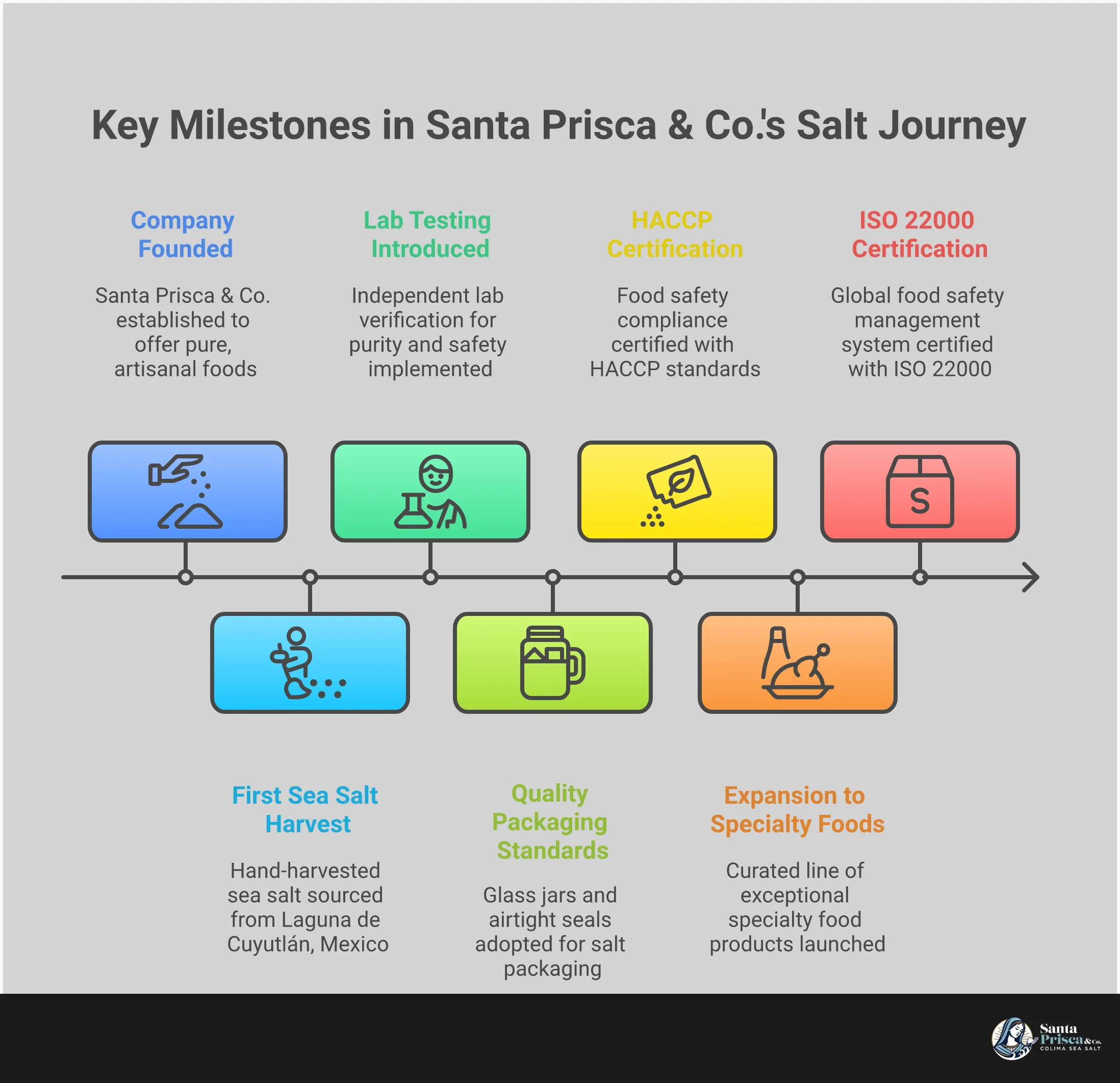
Beyond the label, certain credentials can signal a commitment to excellence. Look for certifications like ISO or HACCP, which indicate that the salt has been produced under strict safety and quality guidelines. These standards ensure that every step, from harvesting to packaging, is handled with care to prevent contamination. You can also look for visual cues. Unrefined sea salt often has a subtle, off-white hue and a slightly moist texture, reflecting the rich minerals it retains. It won’t be uniformly perfect like heavily processed salt. These small imperfections are signs of its natural, untouched character—a beautiful reminder of its journey from the earth.
Common Myths About Salt Purity
The world of salt can feel a little confusing, with so many options lining the shelves. It’s easy to get swept up in marketing claims and beautiful packaging. Let's clear the air and gently debunk a few common ideas about what makes a salt truly pure, so you can choose your salt with confidence and intention.
Myth: "Natural" Always Means "Clean"
It feels intuitive to reach for a salt labeled "natural," believing it’s untouched and pristine. While the source may be a beautiful, remote sea or an ancient mountain range, "natural" doesn't automatically mean free from modern contaminants.
Unfortunately, pollution affects even the most secluded corners of our planet. Research shows that many types of salt, including sea salt and Himalayan pink salt, can contain harmful heavy metals like lead and aluminum. These elements can find their way into salt beds through environmental exposure. True purity isn't just about a natural origin; it's about verifying what’s inside the crystal itself.
Myth: More Minerals Means More Purity
We often hear about the wonderful mineral content of specialty salts, and it’s true that unrefined salts contain trace elements not found in processed table salt. This mineral complexity is what gives a salt its unique flavor and character.
However, the idea that more minerals equal a "purer" or significantly healthier salt is a bit of a stretch. While salts like Himalayan pink do contain minerals like potassium and magnesium, studies show the amounts are so small they don't make a difference to your health. To get a meaningful dose, you’d have to consume an unhealthy amount of salt. A truly pure salt is one that is free from contaminants, with its natural mineral balance intact.
Myth: A High Price Guarantees Quality
When you invest in a thoughtfully sourced food, you expect quality. But a high price tag alone isn't a reliable indicator of purity. The cost of artisanal salt often reflects the labor-intensive harvesting methods, the story of its origin, and beautiful packaging—all wonderful things, but they don't certify its cleanliness.
From a chemical standpoint, all salts are primarily sodium chloride. The notion that more expensive, "fancy" salts are inherently healthier than standard table salt is not supported by scientific studies. Instead of relying on price, it’s more empowering to look for brands that are transparent about their sourcing and provide proof of third-party testing for purity.
Our Recommendation for the Purest Salt
Choosing a salt can feel like a small decision, but it’s one that touches almost every meal we make. When we choose with intention, we’re not just seasoning our food—we’re nourishing our bodies and honoring the earth. After exploring what makes a salt truly pure, we want to share the salt we trust in our own kitchens and why it meets the highest standards of quality.
Why We Trust Colima Sea Salt
There’s a quiet confidence that comes from knowing exactly where your food comes from. For us, that confidence is found in our own Colima Sea Salt. Harvested by hand from the sun-drenched salt flats of Colima, Mexico, this salt is a testament to tradition and natural purity. Its journey is simple and clean: ancient lagoon water is naturally filtered through volcanic earth, then evaporated by the sun, leaving behind a crisp, mineral-forward flake.
Because it’s unrefined, it retains essential trace minerals that are often stripped away in industrial processing. It’s free from the anti-caking agents, bleaches, and other additives found in common table salt. This is the salt we return to again and again, not just for its bright, clean flavor that makes every ingredient shine, but because it represents a commitment to clean eating and sustainable practices.
What to Look for in Other Brands
When you’re exploring other salts, transparency is your most important guide. A brand that is proud of its product will be open about its sourcing, harvesting methods, and purity. Look for companies that voluntarily send their salt to an independent lab for analysis. This process, known as third-party testing, provides unbiased proof that the salt is free from harmful levels of heavy metals and other contaminants.
Don’t hesitate to visit a brand’s website and look for a quality assurance or FAQ page. Do they share their lab results? Do they tell the story of where their salt comes from and how it’s handled? A brand that readily provides this information is one that values your trust and well-being. If the information isn’t easy to find, consider it a red flag.
Certifications That Matter
Certifications can offer another layer of assurance, acting as a shorthand for a brand’s commitment to safety and quality. While salt, as a mineral, cannot be certified organic, there are other important food safety credentials to look for. One of the most common is HACCP (Hazard Analysis and Critical Control Points). This is a system recognized globally that helps prevent contamination during production.
Another key certification is ISO 22000, which shows that a company follows an internationally agreed-upon standard for food safety management. Seeing these certifications means the brand has invested in rigorous processes to ensure their product is safe from harvest to packaging. It’s a clear sign that they take purity as seriously as you do.
Your Checklist for Buying Pure Salt
Choosing a salt should feel simple and good. It can be a lot to sort through on the shelves, but a few simple guideposts can lead you to a truly beautiful salt for your kitchen. Think of this as your personal guide to reading between the lines on the label, helping you make a choice that nourishes your body and honors the earth. With these simple checks, you can feel confident in the ingredients you bring into your home and onto your table.
Check for Lab Testing
The purest salts are confident in what they contain—and what they don't. Look for brands that openly share third-party lab results. This independent testing verifies that the salt is free from unwanted contaminants, such as certain heavy metals, which can sometimes find their way into natural environments. A brand that invests in this level of transparency is showing a deep commitment to quality and your well-being. It’s a simple way to feel at peace with the ingredients you bring home and share with your family.
Ask About the Source
Every grain of salt has a story. Where did it come from? How was it gathered? A truly pure salt comes from a pristine environment and is harvested with care. Seek out brands that proudly share their salt’s origin, whether it’s a sun-drenched salt flat or an ancient sea bed. Our own Colima Sea Salt, for example, is hand-harvested by salineros using methods passed down for generations. When a company is transparent about its sourcing, it’s a sign that they honor both the land and the people behind the product.
Consider the Packaging
The container your salt comes in is almost as important as the salt itself. The best choice is always glass, a ceramic crock, or another non-reactive, food-safe material. Some plastics can contain chemicals, like BPA, that may leach into the salt over time, especially with changes in temperature or humidity. Choosing salt in thoughtful packaging not only protects its purity and mineral structure but also reflects a brand’s commitment to quality from the source all the way to your kitchen counter. It’s a small detail that makes a significant difference.
Related Articles
- 6 Healthiest Salts Without Additives for Pure Flavor
- 8 Trusted Microplastic-Free Salt Brands
- Best Sea Salt for Health | Guide to Healthy Cooking Salt
- Best Sea Salt for Health | Why Colima Stands Out
- Best Sea Salt for Health – Benefits & Buying Tips
Frequently Asked Questions
I thought all salt was basically the same. What makes unrefined sea salt different from regular table salt? That’s a great question, and it gets to the heart of why choosing your salt matters. The biggest difference is in the processing. Common table salt is heavily refined, which means it’s stripped of its natural trace minerals, bleached for a uniform white color, and often treated with anti-caking chemicals. Unrefined sea salt, on the other hand, is simply harvested and dried, so it retains its full mineral profile and character from the water it came from. Think of it as the difference between a whole food and a processed one.
Is Himalayan pink salt a better choice than sea salt? Himalayan salt is beautiful, and it’s certainly a better option than processed table salt because it is unrefined. However, its famous pink color comes from minerals that are present in such tiny amounts they don’t offer a significant health advantage. The most important factor for any salt—whether it’s from the sea or a mountain—is its purity. A clean, unrefined sea salt from a pristine, tested source is just as wonderful a choice, focusing on what’s been kept out (contaminants) rather than just the color.
Besides reading the label, how can I be sure the salt I'm buying is actually pure? This is where transparency becomes so important. The most reliable way to verify a salt's purity is to look for a brand that provides third-party lab testing results. This means an independent lab has analyzed the salt for things like heavy metals and other contaminants. A company that invests in this process and shares the results is showing you, not just telling you, that their product is clean. This is the gold standard for peace of mind.
My unrefined sea salt sometimes clumps together. Does that mean it has gone bad? Not at all! In fact, a little clumping is a good sign. It means your salt is free from the anti-caking agents, like yellow prussiate of soda, that are added to conventional table salt to make it pour perfectly in any weather. Unrefined sea salt retains some natural moisture, so it may stick together a bit. It’s a small, natural imperfection that tells you the salt is in its pure, unadulterated state.
You mentioned heavy metals. Is this something I really need to worry about in my salt? It’s less about immediate alarm and more about making conscious, long-term choices for your well-being. While the amount of a contaminant in a single pinch of salt might be very small, the concern is how these things can build up in our bodies over time from various sources. Choosing a salt that comes from a protected, clean environment and has been tested for purity is a simple and empowering way to ensure you’re seasoning your food with only the good stuff.