
Steak and Egg Recipe: A Step-by-Step Guide
Written By Santa Prisca & Co Staff Last updated on
The sizzle of a steak hitting a hot cast-iron pan is one of the most satisfying sounds in the kitchen. It’s a promise of the deeply flavorful crust to come. Paired with a perfectly cooked egg, its golden yolk ready to create a rich, natural sauce, it becomes a meal that feels both comforting and restorative. This isn’t just about following steps; it’s about engaging your senses and creating a moment of connection with your food. This guide will walk you through a simple egg steak recipe, focusing on the small details that make all the difference, turning a classic dish into a personal ritual.
Key Takeaways
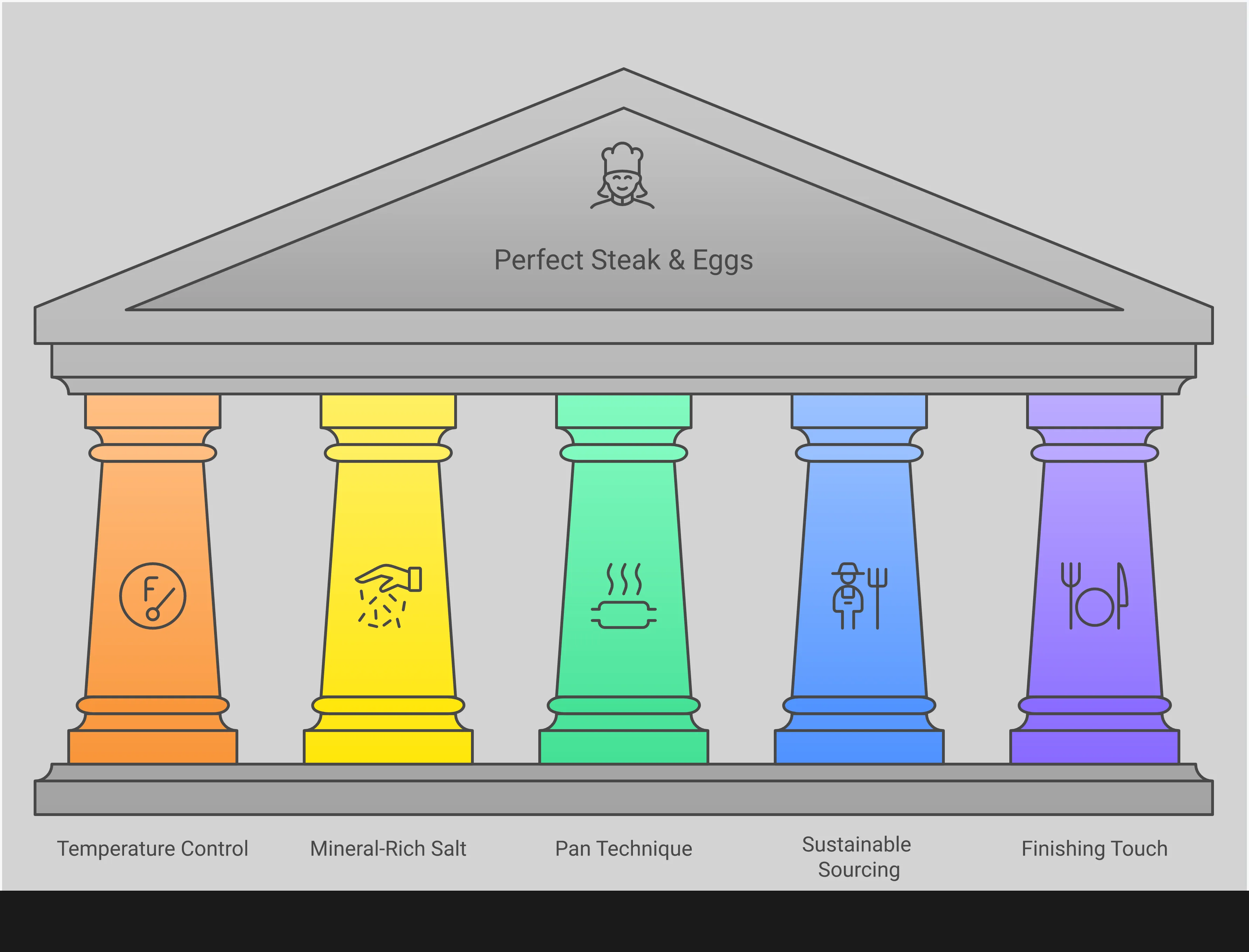
- Start with a Quality Foundation: A truly satisfying steak and eggs dish relies on its ingredients. Choose thoughtfully sourced meat and fresh eggs, and use an unrefined, mineral-rich sea salt to enhance their natural flavors from the very beginning.
- Practice Patient Cooking Techniques: Simple steps create the best results. Allowing your steak to rest before and after cooking ensures it’s tender and juicy, while properly heating your pan is the secret to perfectly cooked eggs every time.
- Finish with Intentional Details: The final touches bring the dish together. A sprinkle of fresh herbs adds brightness, while a pinch of coarse finishing salt provides a delicate crunch and a final burst of clean, mineral flavor.
What Makes Steak and Eggs a Perfect Meal?
There’s a certain magic to a plate of steak and eggs. It’s a meal that feels both humble and luxurious, a simple pairing that satisfies on a deep, primal level. It’s the kind of food that grounds you, whether you’re starting a slow weekend morning or ending a long day. But what transforms this classic duo from a simple meal into a truly memorable experience? It’s not about complicated techniques or a long list of ingredients. It’s about intention.
The perfection of steak and eggs lies in the quality of its components and the care with which they’re prepared. When you choose a beautiful cut of steak, fresh eggs, and a truly exceptional salt, you’re not just cooking—you’re creating a moment of nourishment and pleasure. This dish is a testament to the idea that the most profound flavors often come from the simplest sources. It’s an invitation to slow down, to appreciate the ingredients, and to savor a meal that is both powerful and pure. By focusing on quality from the start, you honor the food and yourself.
Start with High-Quality Ingredients
A dish with so few ingredients depends entirely on their quality. Think of it as building a foundation; the stronger the materials, the more beautiful the result. Begin with your steak. Look for beef from producers who use sustainable agriculture practices, like rotational grazing. A well-marbled, thoughtfully raised cut of meat will offer a depth of flavor that commodity beef simply can’t match. The same principle applies to your eggs. Sourcing fresh, pasture-raised eggs will reward you with rich, golden yolks and a far superior taste. When you choose ingredients with integrity, you can taste the difference.
Why Unrefined Sea Salt Makes a Difference
Salt is the element that brings everything to life, and not all salt is created equal. Unlike processed table salt, which is stripped of its natural minerals, unrefined sea salt offers a complex flavor and a wealth of benefits. Our Colima Sea Salt, harvested by hand from the salt flats of Mexico, retains essential minerals like magnesium and potassium. These electrolytes do more than just season your food; they play a role in supporting proper hydration and overall wellness. The crisp, clean flake and burst of mineral depth will season your steak and eggs perfectly, connecting your meal to the ancient earth from which it came.
Gather Your Kitchen Tools
Preparing for a calm, successful cooking experience starts with having the right tools at hand. You don’t need a kitchen full of gadgets, just a few reliable pieces. For a perfect sear on your steak, use a large cast-iron or heavy-bottomed skillet. It holds heat evenly, creating that beautiful, delicious crust. To make timing easier, consider using two separate pans to cook the steak and eggs at the same time. Having everything you need within reach—your pans, a good spatula, and your ingredients—turns the cooking process into a smooth, enjoyable ritual rather than a frantic rush.
How to Cook the Perfect Steak
Cooking a beautiful steak is a ritual. It’s about simple, quality ingredients coming together with heat and patience to create something truly special. It doesn’t require complicated techniques, just a little intention and a few key steps to honor the food you’re preparing. From the first sizzle in the pan to the final sprinkle of finishing salt, each moment is part of the experience.
Choose a Sustainable, Quality Cut
The story of your meal begins long before it reaches your kitchen. A truly remarkable steak starts with meat that was raised with care. When you can, look for local farms or butchers who prioritize sustainable sourcing. Practices like organic farming and rotational grazing not only respect the environment but also result in a cut of meat with deeper, more complex flavor. This mindful choice is the foundation of a memorable dish.
Let Your Steak Come to Room Temperature
Patience is one of the most important ingredients in the kitchen. Before you even think about turning on the stove, take your steak out of the refrigerator and let it rest on the counter for about 15 to 20 minutes. This simple pause allows the meat to cook more evenly from edge to center. This is also the perfect moment to season it generously on all sides with a coarse, mineral-rich sea salt. The salt will begin to draw out moisture, creating the perfect surface for a deep, flavorful crust.
Achieve a Perfect Sear
A proper sear is what gives a steak its signature texture and savory flavor. Heat a cast-iron or other heavy-bottomed skillet over high heat until it’s almost smoking. Add a touch of high-heat oil, then carefully place your seasoned steak in the pan. You’re listening for a confident sizzle. Let it cook for a minute or two without moving it at all. Resisting the urge to peek or poke is key to developing a proper sear and building that beautiful, golden-brown crust.
Control the Heat for Your Preferred Doneness
Once you’ve seared both sides, you can lower the heat slightly to finish cooking the steak to your liking. The exact timing depends on the thickness of your cut and your personal preference. As a general guide for a one-inch steak, you can cook it for about five minutes per side for a perfect medium-rare. Learning to monitor the heat and trust your instincts is part of the joy of cooking. A meat thermometer is a helpful tool, but you’ll also learn to judge doneness by touch over time.
Don't Skip the Resting Step
This might be the most crucial step of all. Once your steak is cooked, transfer it from the hot pan to a cutting board and let it rest for at least five to ten minutes. During this time, the juices that have migrated to the center of the meat will redistribute throughout the cut. Skipping this step means all that incredible flavor will spill out onto your board instead of staying in the steak. This small act of patience is your final gift to the meal, ensuring every bite is tender and succulent.
Create a Simple Pan Sauce
While the steak rests, you can capture all the delicious browned bits left in the skillet. This is where so much flavor lives. Lower the heat and carefully pour a splash of wine or broth into the pan to deglaze it, scraping the bottom with a wooden spoon. Add a knob of butter, a crushed garlic clove, and perhaps some fresh herbs. Let it simmer for a minute or two until it thickens slightly. This simple pan sauce transforms the remnants of cooking into a rich, velvety finish for your dish.
How to Cook the Perfect Egg
The humble egg is the steak’s perfect partner, offering a creamy, rich contrast to the savory meat. Cooking an egg well is a quiet art, a simple practice that can turn a good meal into a truly memorable one. It’s not about complex techniques, but about paying attention to the small details—the heat of the pan, the timing, and the final, thoughtful seasoning. When you give the egg the same care as the steak, you honor the entire meal.
Whether you prefer a jammy, golden yolk that spills across the plate or a soft, gentle scramble, the goal is the same: to cook it with intention. A perfectly prepared egg doesn't just sit beside the steak; it becomes part of a beautiful, harmonious dish that feels both comforting and deeply satisfying.
Why Temperature Is Key for Eggs
Have you ever had an egg stick to the pan, tearing the delicate whites? The culprit is almost always a cold start. Adding eggs to a pan that isn’t properly heated can cause them to cook unevenly and adhere to the surface. The secret is to let your pan and cooking fat get warm enough to welcome the egg with a gentle sizzle. This simple step is one of the most common egg mistakes home cooks make. A hot pan creates a thin, immediate layer of cooked egg that allows it to move freely, ensuring a clean release and those beautifully crisp, lacy edges on a fried egg.
Cook Eggs Just the Way You Like Them
This dish is a personal ritual, so prepare your eggs exactly as you love them. A sunny-side-up or over-easy egg offers a liquid gold yolk that creates a rich, natural sauce for dipping your steak into. If you prefer a more uniform texture, a soft scramble folded gently in the pan provides a pillowy, delicate counterpoint. The choice is yours. Think about the texture and experience you want to create. Each style brings its own unique character to the plate, so follow your intuition and what feels most nourishing to you.
Time Your Eggs and Steak Perfectly
The goal is to have both the steak and eggs finish at the same moment, ready to be served hot. The easiest way to achieve this is to use two separate pans. As your steak enters its final minute or two of cooking, you can begin your eggs. An even better approach is to start the eggs while your steak is resting. This gives you a focused window to cook them perfectly without feeling rushed. This small bit of coordination ensures that everything arrives on the plate at its peak, warm and ready to enjoy.
Season with a Mineral-Rich Salt
An egg’s mild, delicate flavor is a beautiful canvas for seasoning. A simple pinch of salt can transform it from plain to profound, but the type of salt matters. Instead of a harsh, one-note table salt, reach for an unrefined sea salt. Our Colima Sea Salt offers a clean, balanced salinity with a subtle mineral depth that enhances the egg’s natural richness without overpowering it. The crisp, delicate flake dissolves beautifully, seasoning every bite. This small touch not only deepens the flavor but also provides trace minerals that support the body’s natural hydration.
Simple Tips for Success
Creating a beautiful meal is less about following rigid rules and more about understanding a few simple principles. Think of these tips as gentle guides to help you find your rhythm in the kitchen, turning a simple steak and egg dish into a moment of true nourishment and pleasure. With a little intention, you can cook with confidence and create a meal that feels both special and effortless.
Choose the Right Pan
The foundation of a great sear starts with your pan. Reach for a large cast-iron or heavy-bottomed skillet. These pans are masters of holding and distributing heat evenly, which is the secret to achieving that deeply browned, flavorful crust on your steak. When the steak hits the hot surface, you want a consistent sizzle, not hot spots that can scorch one area while leaving another pale. This simple choice sets the stage for success before you even begin cooking, honoring the quality of your ingredients with the right tools.
Manage Your Heat
Patience with your pan is key. Before adding your steak, heat your skillet over medium-high heat until it’s properly hot. A good way to test is to flick a drop of water into the pan—if it sizzles and evaporates instantly, you’re ready. This initial blast of heat is what creates a perfect sear, locking in the juices and developing a rich, complex flavor. From there, you can adjust the flame as needed to cook the steak to your preferred doneness without burning the outside, maintaining control throughout the process.
Get the Timing Right
One of the most important steps in cooking steak is also the most overlooked: letting it rest. After you’ve cooked the steak to your liking, transfer it to a cutting board and let it sit for 5 to 10 minutes before slicing. This allows the juices to redistribute throughout the meat, ensuring every bite is tender and flavorful. This resting period is the perfect window to cook your eggs, so everything comes together warm and ready at the same time, making your meal feel seamless and thoughtfully prepared.
Find Your Seasoning Balance
Proper seasoning is an act of care that transforms good ingredients into a great meal. Before cooking, always pat your steak completely dry with a paper towel; a dry surface is essential for a deep, even sear. Then, season generously on all sides. Using a high-quality, unrefined salt like our Colima Sea Salt will do more than just add salinity—its mineral-rich crystals will draw out the steak’s natural flavors and help create a beautiful crust, adding a layer of depth that you can truly taste.
Common Mistakes to Avoid
Even seasoned cooks make simple missteps. One of the most common is cooking a steak straight from the refrigerator; letting it sit at room temperature for about 30 minutes ensures it cooks more evenly. Another is guessing the doneness; learning how to use a meat thermometer is the most reliable way to get it just right. For the eggs, avoid adding them to a cold pan, which can cause them to stick and cook unevenly. A little heat in the pan first makes all the difference.
Finish Your Dish with Natural Flavors
The final moments before serving are where a good meal becomes a memorable one. This is the time for thoughtful additions that honor the quality ingredients you’ve chosen. A few simple, natural touches can bring brightness, texture, and a final layer of flavor that ties everything together beautifully. It’s less about adding more and more about adding what matters.
Add a Pinch of Mineral-Rich Finishing Salt
A finishing salt is the final, thoughtful touch. Unlike the salt used during cooking, this is all about texture and a final burst of flavor. A sprinkle of a coarse, unrefined sea salt just before serving adds a delicate crunch and a clean, mineral depth that you can’t get from a fine-grain salt. Our Colima Sea Salt is hand-harvested and carries trace minerals like magnesium and potassium. These essential minerals not only contribute to a more complex flavor but also add a small nutritional element to your meal. It’s a simple gesture that makes a world of difference.
Brighten Flavors with Fresh Herbs
Fresh herbs are like a splash of sunshine on the plate. Their vibrant color and aroma instantly signal freshness. A simple scattering of chopped flat-leaf parsley, chives, or cilantro can cut through the richness of the steak and eggs, adding a clean, peppery note. For something a little more involved, you can whip up an easy fresh herb sauce in minutes. Just blend your favorite herbs with a bit of olive oil, garlic, and a squeeze of lemon. It’s a beautiful way to add another layer of complexity without much effort.
Explore Simple Sauce Ideas
A sauce doesn’t need to be complicated to be delicious. Often, the best complement is one made from a few pantry staples that enhance, rather than mask, the main ingredients. You can create a simple pan sauce right after cooking your steak by deglazing the pan with a splash of wine or broth. Another option is to create a special sauce with a base of garlic, a touch of Worcestershire for umami, and a little vinegar for acidity. The goal is to add a bit of moisture and a complementary flavor that makes each bite even more satisfying.
What to Serve on the Side
Choosing the right accompaniments can round out your meal and create a sense of balance. Since steak and eggs are quite rich, consider sides that offer a contrasting texture or a bit of freshness. Simple roasted tomatoes, blistered in the same pan as the steak, add a sweet and acidic note. A handful of lightly dressed arugula provides a peppery bite. Of course, you can never go wrong with classic breakfast potatoes, whether they’re crispy home fries or shredded hash browns, to soak up any delicious juices left on the plate.
Create a Restaurant-Worthy Meal at Home
The true art of cooking reveals itself in the final moments before a dish is served. It’s in the thoughtful arrangement, the final flourish of herbs, the quiet confidence of knowing you’ve brought out the best in your ingredients. Transforming a simple meal like steak and eggs into a memorable experience isn’t about complicated techniques; it’s about intention. It’s about taking a moment to honor the food and the process, creating a plate that nourishes both body and spirit.
These final steps are where a home-cooked meal takes on the grace of a restaurant dish. By focusing on presentation, temperature, and seasoning, you’re not just serving food—you’re creating a moment of connection and appreciation. It’s a simple practice of gratitude that makes every bite more meaningful. Let’s walk through how to bring that intentionality to your plate.
How to Plate Your Dish Beautifully
We eat with our eyes first. A beautifully composed plate invites you in and signals that something special has been prepared. Choose a plate that gives your food space to breathe—a simple ceramic dish in a neutral tone often works best. Place the steak as the anchor, perhaps sliced to reveal its perfectly cooked interior. Nestle the eggs alongside it, and consider how to add balance. A simple piece of buttered, rustic toast can offer a beautiful contrast in texture and color, making the whole dish feel more complete and satisfying.
Garnish with Intention
A garnish should be more than just decoration; it should add a final layer of flavor and aroma. A sprinkle of finely chopped fresh herbs, like chives or parsley, can bring a bright, clean note that cuts through the richness of the steak and eggs. For a touch of warmth, a pinch of red pepper flakes works beautifully. You can also add a spoonful of a vibrant sauce like chimichurri for a burst of herbaceous flavor. And of course, a final dusting of finishing salt adds a delicate crunch and a whisper of mineral depth.
Serve Everything at the Right Temperature
The sensory experience of a meal is deeply tied to temperature. A perfectly cooked steak deserves to be served at its peak, which is why the resting step is so essential. Letting the steak rest for a few minutes allows the juices to redistribute, ensuring every slice is tender and full of flavor. While the steak rests, you can cook your eggs so they are perfectly warm when you’re ready to plate. Serving a hot steak alongside warm, soft eggs creates a comforting and deeply satisfying meal that feels thoughtfully prepared.
Trust Your Seasoning Instincts
Seasoning is the soul of a dish. Eggs, with their delicate flavor, truly come alive with the right amount of salt. Failing to season properly is one of the most common mistakes in the kitchen, but it’s also the easiest to correct. This is where a high-quality, unrefined salt makes all the difference. Our Colima Sea Salt doesn’t just add saltiness; its rich mineral profile enhances the inherent flavors of the beef and eggs. Learn to trust your palate. Taste as you go, and don’t be afraid to season with confidence. It’s how you make a recipe truly your own.
Cook with Sustainable Practices in Mind
Creating a truly beautiful meal goes beyond the final plating. It begins with intention, with a quiet respect for the ingredients and the earth that provided them. When we cook with sustainability in mind, we’re not just making food; we’re honoring a cycle. This approach deepens our connection to what we eat, turning a simple dish like steak and eggs into a more meaningful experience. It’s about choosing quality that you can taste and feel good about.
This mindset is woven into everything we do, from the way our Colima Sea Salt is hand-harvested to the way we mindfully prepare food in our own kitchens. By making a few thoughtful choices, you can create a meal that nourishes you and supports a healthier food system for everyone. It’s a simple practice of gratitude that starts long before you turn on the stove.
Source Your Ingredients Thoughtfully
The story of your meal begins with its ingredients. When you choose a steak from a ranch that practices rotational grazing or eggs from pasture-raised hens, you’re choosing flavor and quality. Seeking out suppliers who use sustainable agriculture methods like organic farming and water conservation makes a real difference. This philosophy supports a healthier environment and results in ingredients that are genuinely more vibrant and delicious. It’s a simple shift that brings integrity to your plate, ensuring every component of your dish is the best it can be.
How to Reduce Food Waste
Honoring your ingredients means using them completely. Reducing food waste is an act of gratitude, a way of appreciating the resources and effort that went into growing and raising our food. Think about using the whole vegetable, from root to stem, or saving steak trimmings to enrich a future broth. Planning your meals helps you buy only what you need, ensuring fresh ingredients don’t go to waste. These small habits are powerful, helping us become more mindful and resourceful cooks in our own kitchens.
Cook with the Seasons
There’s a special kind of magic in cooking with the seasons. Ingredients harvested at their peak are bursting with flavor and nutrients, requiring very little to shine. A simple side of fresh asparagus in the spring or roasted squash in the fall can transform your steak and egg dish. Following nature’s rhythm not only gives you the most delicious results but also reduces the environmental impact of your meal. You can find a seasonal food guide online to discover what’s fresh in your area right now.
Support Your Local Producers
Connecting with the people who grow your food is one of the most rewarding parts of cooking. When you support local producers, you’re investing in your community and getting access to incredibly fresh ingredients. A trip to the farmers market is a chance to talk to the farmer who raised the hens that laid your eggs or grew the herbs you’ll use as a garnish. This direct connection fosters a deeper appreciation for your food and ensures you’re getting ingredients at their absolute best, all while boosting local production.
Related Articles
- Perfect Steak and Eggs Recipe: Your Simple Guide – Santa Prisca & Co
- The Perfect Breakfast Steak Recipe – Santa Prisca & Co
Frequently Asked Questions
Why does unrefined sea salt make such a big difference for a simple dish like this? Think of unrefined sea salt as an ingredient that enhances, rather than just seasons. Processed table salt adds a sharp, one-dimensional saltiness, but a mineral-rich sea salt like our Colima salt offers a more complex, clean flavor. Its crisp flake provides a delicate crunch that highlights the natural richness of the steak and eggs, making them taste more fully of themselves.
What's the single most important step for cooking a tender, juicy steak? Without a doubt, it’s letting the steak rest after it comes out of the pan. This small act of patience is non-negotiable. Resting for five to ten minutes allows the juices to redistribute throughout the meat. If you slice into it immediately, all that incredible flavor will spill out onto your cutting board, leaving you with a dry steak. This simple pause is the secret to a succulent, flavorful bite every time.
What are the best cuts of steak to use for this meal? You have wonderful options here. A ribeye or New York strip offers a beautiful balance of tenderness and rich, beefy flavor. For a slightly leaner but still delicious choice, a top sirloin works perfectly. Don't overlook cuts like skirt or flank steak, either—when sliced thinly against the grain, they can be incredibly tender and satisfying. The key is to choose a quality piece of meat, regardless of the specific cut.
I'm worried about getting the timing right. Should I cook the steak or the eggs first? To keep the process calm and enjoyable, I always recommend cooking the steak first. Once it’s cooked to your liking, transfer it to a cutting board to rest. That resting period, which should be at least five minutes, gives you the perfect, focused window to cook your eggs. This way, you aren't juggling two pans at once, and both components will be perfectly warm and ready to plate at the same time.
Besides steak and eggs, what are other ways to use a high-quality finishing salt? A beautiful finishing salt is one of the most versatile ingredients in my kitchen. I love sprinkling it over simple sliced tomatoes or avocado to bring out their sweetness. It adds a wonderful texture and burst of flavor to roasted vegetables right before serving. You can even try a tiny pinch on a piece of dark chocolate. It’s a simple way to add a final, thoughtful touch to almost any dish you prepare.