
Wood Salt Cellar Care Instructions for Lasting Beauty
Written By Santa Prisca & Co Staff Last updated on
Some kitchen tools feel like they could last a lifetime, becoming part of the story of your home. A beautiful wooden salt cellar is one of those pieces. With just a little mindful attention, it can become a constant, grounding presence on your counter for years, maybe even decades. Preserving its rich color and smooth finish isn’t complicated; it’s a simple practice of intention. This guide provides all the essential wood salt cellar care instructions you need to ensure your cellar ages gracefully, becoming a cherished heirloom that holds countless moments of nourishment and shared meals.
Key Takeaways
- Honor the wood with gentle cleaning: Use only warm water for routine washing and avoid the dishwasher entirely. For a deeper clean, a simple scrub with sea salt and lemon naturally purifies the wood without harsh chemicals that could affect your salt's taste.
- Preserve its form with proper drying and oiling: Always let your cellar air dry completely on its side or a rack to prevent warping. Condition the exterior annually with food-safe mineral oil to keep the wood hydrated, but leave the interior untouched to maintain the purity of your salt.
- Recognize the signs for a replacement: A well-cared-for cellar can last for years, but it’s time for a new one if you notice deep cracks, lingering odors, or a warped lid that no longer seals. A sound vessel is essential for keeping your salt dry, pure, and free from clumping.
A Simple Guide to Caring for Your Wooden Salt Cellar
A wooden salt cellar is more than just a container; it’s a small piece of nature on your countertop, a connection to the earth that holds your salt. When you care for it, you’re not just maintaining a kitchen tool. You’re engaging in a quiet ritual that honors the simple, beautiful materials in your home. This guide will walk you through the simple steps to keep your wooden salt cellar in beautiful condition, ensuring it remains a cherished part of your cooking practice for years to come.
The Warmth of Natural Wood in Your Kitchen
There’s something so grounding about reaching for a wooden salt cellar. Each one is a unique piece of art, with its own story told through the swirls and lines of the grain. Many are handmade from a single piece of wood, meaning no two are exactly alike. This isn't just a functional object; it’s a touch of warmth and organic beauty in your kitchen. It invites a slower, more intentional approach to seasoning, turning a simple pinch of salt into a mindful moment. The smooth feel of the wood under your fingertips connects you to the natural world, right at your stove.
Why Proper Care Matters
Caring for your salt cellar is about preserving both its beauty and its function. Wood is a natural, porous material, and your salt deserves a clean, neutral home. Because salt can easily absorb surrounding odors and flavors, a well-maintained cellar ensures that every pinch of your Colima Sea Salt tastes pure and untainted. Gentle, regular care prevents the wood from drying out, cracking, or warping over time. Think of it as a simple act of gratitude for a tool that serves you daily, protecting its integrity so it can continue to be a reliable and beautiful part of your kitchen for a long, long time.
How to Clean Your Wooden Salt Cellar
Your wooden salt cellar is more than just a container; it’s a companion in your daily cooking rituals, holding the mineral-rich crystals that bring your food to life. Like any cherished kitchen tool, it requires gentle care to maintain its beauty and function for years to come. Cleaning your salt cellar isn’t a chore but a simple act of preservation. By using natural methods and avoiding harsh chemicals, you honor the material and ensure it remains a pure, beautiful home for your salt. These simple steps will help you keep your wooden cellar in perfect condition.
Wash by Hand with Warm Water
The most effective care is often the simplest. For a routine clean, you only need to wash it by hand with warm water. Use a soft cloth or your fingertips to gently wipe away any salt residue or smudges from the surface. Avoid using strong, fragrant soaps, as their chemicals and scents can be absorbed by the porous wood, potentially affecting the pure taste of your salt. A quick rinse under warm water is usually all that’s needed to refresh your cellar before letting it dry completely. This gentle approach preserves the wood’s natural oils and integrity.
Cleaners and Soaps to Avoid
Wood is a natural material that responds best to gentle treatment. To prevent damage, it’s crucial to avoid harsh cleaning methods. Never place your wooden salt cellar in the dishwasher, as the high heat and intense water pressure can cause the wood to warp, crack, or split. Similarly, you should never soak the cellar in water. Prolonged exposure to moisture can cause the wood to swell and lose its beautiful shape and finish. The best cleaning and care routine avoids abrasive cleaners and detergents, which can strip the wood of its protective oils and leave it dry and brittle.
A Natural Deep Clean: Sea Salt and Lemon
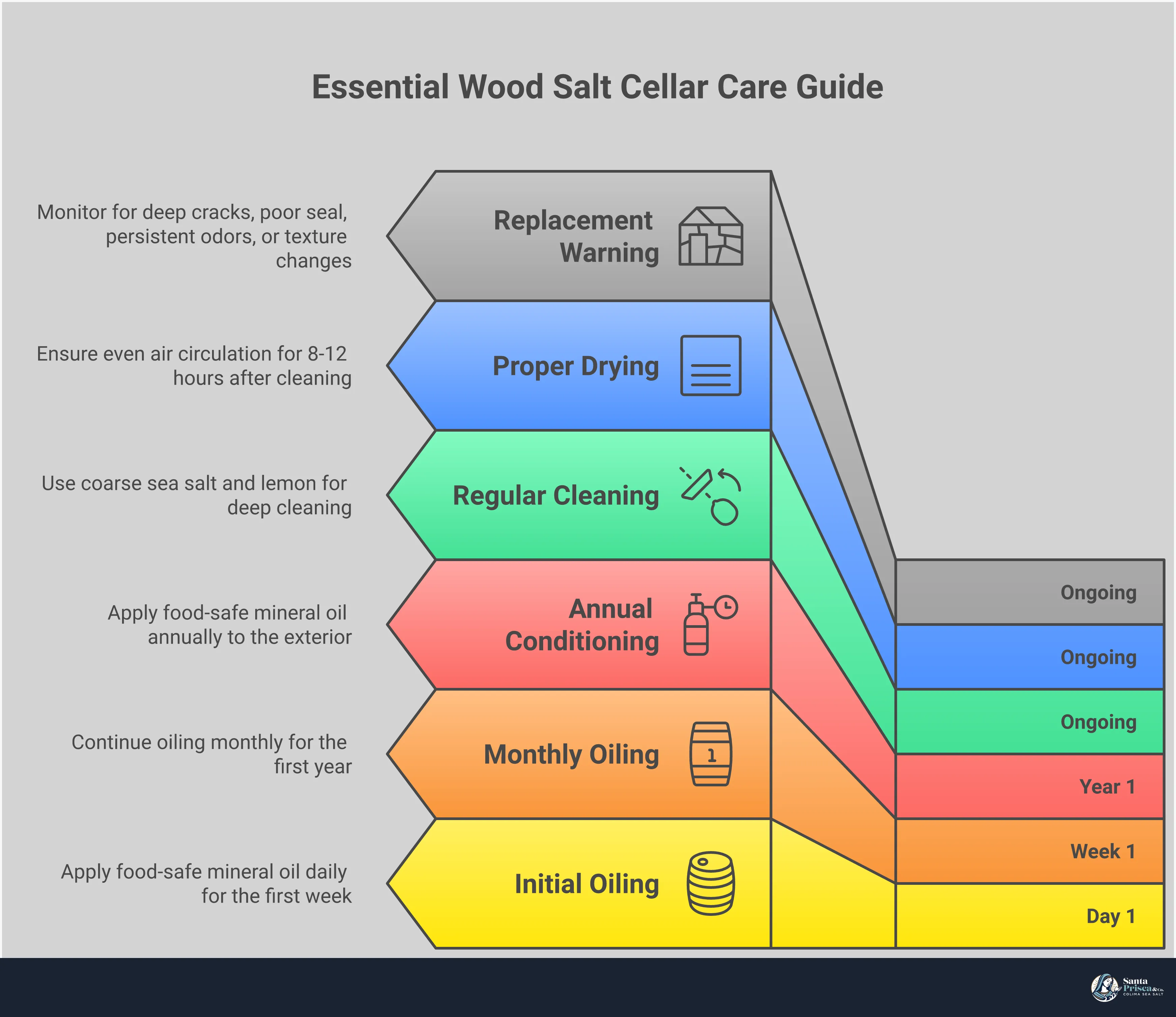
For moments when your cellar needs a deeper refresh, turn to two of the kitchen’s most powerful natural purifiers: sea salt and lemon. This combination creates a gentle, effective scrub that cleans and deodorizes the wood without chemicals. Simply sprinkle a coarse salt, like our Colima Sea Salt, onto the wood and use half a lemon to scrub the surface in a circular motion. The salt acts as a mild abrasive, while the lemon’s natural acidity cleanses the wood. This environmentally friendly method leaves your cellar looking bright and smelling fresh.
Other Gentle Cleaning Options
Between deeper cleanings, simple maintenance is key to the long term care for a salt cellar. Most of the time, a quick wipe with a dry, soft towel is all you need to remove any lingering salt dust from the inside. If you notice a spot or feel it needs a bit more attention, use a slightly damp cloth to gently wipe the interior and exterior. The key is to use as little water as possible to avoid saturating the wood. This quick, mindful habit keeps your salt cellar clean and ready for use, preserving its natural character with minimal effort.
How to Properly Dry Your Salt Cellar
After you’ve gently washed your salt cellar, the next step is perhaps the most important: drying. This isn’t a moment to rush. Proper drying is a quiet ritual that protects the wood from warping, cracking, or developing mold, ensuring it remains a worthy vessel for your beautiful Colima Sea Salt. It’s a simple but essential part of the process that honors the living material in your hands and prepares it to hold the pure, sun-dried crystals you love.
Think of it as allowing the wood to breathe. When you give your salt cellar the time and space to dry completely, you’re preserving its integrity for years of use. Trapped moisture is the enemy of all wooden kitchenware, causing the fibers to swell and shrink unevenly, which can lead to damage over time. But with a little patience, you can easily keep your cellar in perfect condition. This simple act of care ensures your salt cellar remains a beautiful and functional piece on your countertop, always ready to hold the mineral-rich salt that seasons your food. Taking this extra time is a small investment that pays off in the longevity and beauty of your kitchen tools.
Let It Air Dry Completely
The most effective method for drying your wooden salt cellar is also the simplest: let it air dry. After washing, resist the urge to wipe it down with a towel and put it away immediately. A towel can’t reach the moisture absorbed deep within the wood’s grain.
Instead, place it in a well-ventilated spot away from direct heat or sunlight. Allowing it to air dry completely is the only way to ensure all the moisture has evaporated from the wood. This small act of patience prevents water from getting trapped, which is the primary cause of warping and splitting. It’s a gentle pause that rewards you with lasting beauty and function.
How to Position It for Even Drying
How you position your salt cellar while it dries makes a significant difference. If you lay it flat on a counter, one side will remain damp while the other dries, creating uneven tension in the wood. This can lead to warping over time.
To avoid this, encourage air to circulate around the entire piece. The best way to help it dry evenly is to stand it on its edge or place it on a wire drying rack, just as you would with a wooden cutting board. This allows every surface to release its moisture at the same rate. This simple technique ensures your cellar maintains its perfect shape and balance.
How to Know When It's Fully Dry
Wood can be deceptive, often feeling dry to the touch while still holding moisture within. The best way to know if your salt cellar is truly ready for use is to give it time. A good rule of thumb is to let it dry out completely overnight.
This extended period ensures that even the deepest parts of the wood have released all their moisture. Before you refill it with your precious salt, run your fingers over the surface. It should feel uniformly dry, with no cool or damp spots. This final check guarantees you’re storing your salt in a perfectly dry environment, preserving its texture and purity.
How to Oil and Condition the Wood
Just as you tend to your ingredients, your wooden tools also need care to last a lifetime. Oiling your salt cellar is a simple ritual that protects the wood from drying out and brings its natural grain to life with a deep, lustrous glow. This small act of intention keeps your cellar beautiful and functional for years of use.
Conditioning a New Salt Cellar
When you first bring your salt cellar home, it needs a little extra attention to acclimate to your kitchen's environment. Think of this as a welcoming process, a way to prepare the wood for its new life. For the first week, apply a light coat of oil once a day. After that initial period, transition to oiling it once a month for the first year. This consistent care helps the wood build a strong, protective foundation, ensuring it settles gracefully into its new home without drying or cracking.
Creating a Regular Oiling Routine
Once your cellar is well-seasoned, maintaining it becomes a simple, infrequent task. A regular oiling routine will keep the wood hydrated, prevent it from becoming brittle, and deepen its beautiful, natural color over time. Make it a habit to condition the wood at least once a year. You might tie this ritual to a seasonal kitchen reset or a quiet afternoon. This simple step ensures your cellar remains a cherished piece, ready to hold your favorite Colima Sea Salt.
What Kind of Food-Safe Oil to Use
Choosing the right oil is essential for the health and longevity of your cellar. Always use a food-safe, non-perishable oil, like a high-quality mineral oil or a specialized wood conditioner. These oils are designed to absorb deeply into the wood without ever going rancid, offering lasting protection. Avoid using common cooking oils like olive, vegetable, or canola oil. While they might seem like a convenient choice, these oils can spoil over time, leaving your salt cellar with an unpleasant, sticky residue and a foul odor that can transfer to your salt.
How to Apply the Oil
The process of oiling your cellar is wonderfully simple and grounding. Using a soft, clean cloth, apply a thin, even layer of food-safe oil to the entire outer surface of the cellar and lid. Let the wood absorb the oil overnight, giving it plenty of time to drink in the moisture. In the morning, simply wipe away any excess with a fresh cloth, leaving a silky smooth finish. Your cellar will be nourished, protected, and glowing, ready for its place on your counter.
Common Mistakes to Avoid
Your wooden salt cellar is more than just a container; it’s a piece of the earth, a warm, natural element that holds one of the most essential minerals for life. Caring for it is a simple ritual, a small act of gratitude for the tools that help us create nourishing meals. To ensure your salt cellar remains a beautiful and functional part of your kitchen for years to come, it helps to know what to avoid. These are not strict rules but gentle guidance, shared from one kitchen to another, to help you preserve the integrity and spirit of the wood.
Think of it like tending to a small plant. With just a little awareness, you can prevent the common issues that cause wood to lose its luster or strength. By avoiding a few key missteps, you honor the material and the hands that shaped it. This mindful approach ensures your salt cellar will continue to be a source of joy and a beautiful home for your precious Colima Sea Salt, connecting you to the simple, grounding act of seasoning your food.
Never Use the Dishwasher or Soak It in Water
This is perhaps the most important piece of wisdom for any wooden kitchen tool. Wood is a porous, living material, and submerging it in water or exposing it to the high heat and harsh detergents of a dishwasher is a sure way to cause damage. The wood fibers will absorb the water and swell, leading to cracks, splits, and warping as they dry. A dishwasher cycle can strip the wood of its natural oils in an instant, leaving it brittle and faded. Instead, always trust in a gentle, hands-on approach to cleaning.
Avoiding Harsh Soaps and Chemicals
While it’s important to keep your salt cellar clean, strong soaps and chemical cleaners are far too aggressive for natural wood. These substances can strip away the protective oils that keep the wood conditioned and resilient, leaving the surface feeling dry and rough. Over time, this can make the wood more susceptible to staining and cracking. Always opt for mild, natural cleaners or simply warm water. Your salt cellar doesn't need to be sterilized; it needs to be respected. This gentle approach is a core part of sustainable wood care.
Why You Shouldn't Oil the Inside
While conditioning the exterior of your salt cellar is a wonderful practice, the inside should be left untouched. The interior is designed to be in direct contact with your salt, and any oil, even a food-safe one, can transfer its flavor and aroma. This can subtly alter the pure, clean taste of your sea salt. Furthermore, oils inside a closed container can potentially become rancid over time. The salt itself is a natural preservative and will keep the interior of your cellar clean and pure without any help.
The Risk of Skipping Regular Care
A wooden salt cellar that is forgotten can slowly lose its vitality. Without a regular application of conditioning oil, the wood can begin to dry out, especially in climates with low humidity. You might notice its deep, rich color starting to fade or its smooth surface feeling a bit rough. This isn't just an aesthetic issue; dry wood is more prone to cracking. Taking a few moments every month or so to apply a food-safe oil is a meditative ritual that repays you with lasting beauty and function, keeping your cellar glowing and strong.
When Is It Time for a New Salt Cellar?
A wooden salt cellar is more than just a container; it’s a cherished piece of your kitchen landscape, a vessel that holds one of your most fundamental ingredients. With gentle attention, it can serve you beautifully for years. But because wood is a natural, living material, it has a lifespan. Knowing when to lovingly retire your salt cellar is part of the mindful practice of cooking. It’s not about tossing something out, but about honoring the life cycle of your tools and ensuring the salt you serve remains pure, clean, and protected. Pay attention to these subtle signs that your cellar may be ready for a graceful farewell.
Signs of Cracks and Splits
Notice any fine lines or small splits forming in the wood? These are often the first signs that your salt cellar is aging or has been exposed to extreme changes in humidity. A crack isn’t just a cosmetic issue; it can trap moisture and bacteria, which can compromise the beautiful, dry crystals of your Colima Sea Salt. While you should only ever wipe your cellar with a slightly damp cloth, a crack can make it difficult for the wood to dry completely. If you see a split that goes through the wood, it’s a clear sign that the cellar can no longer properly protect your salt from the air.
Lingering Odors or Deep Stains
Wood is porous, and your salt cellar can absorb aromas from your kitchen over time, especially from strong spices, oils, or cleaning agents used nearby. Salt itself is also known to soak up smells from its environment. If you open the lid and notice an aroma other than the clean, faint scent of wood and salt, it’s a sign that other flavors have seeped in. These can transfer directly to your salt, altering its pure, mineral-rich taste. Similarly, deep-set stains from oils or liquids indicate that the wood’s integrity has been compromised, and it’s time for a fresh start.
Warping or an Uneven Shape
Has your salt cellar started to wobble on the counter, or does the lid no longer fit snugly? Warping happens when wood is exposed to too much moisture or drastic temperature shifts. A lid that doesn’t seal properly allows humidity to get in, which can cause your precious salt to clump together. The purpose of a cellar is to keep your salt dry and ready to pinch. When its shape becomes distorted, it can no longer do its job effectively. This is often a sign that the wood has absorbed too much water at some point, and its structure is permanently altered.
Changes in Wood Texture
Run your fingers along the outside of your cellar. A well-conditioned vessel should feel smooth and almost silky to the touch. If the wood feels rough, fuzzy, or brittle, it’s a sign that it has become overly dry and is losing its natural oils and resilience. This can happen over time, even with regular care. While a light conditioning with food-safe mineral oil can help, sometimes the wood is past the point of revival. A dry, brittle texture can lead to splintering and cracking, making it a less-than-ideal home for your gourmet salt.
Related Articles
- The Buyer's Guide to Olive Wood Salt Cellars – Santa Prisca & Co
- Why Your Kitchen Needs a Walnut Salt Cellar – Santa Prisca & Co
Frequently Asked Questions
Can I use olive oil or another cooking oil to condition my salt cellar? It's best to avoid common cooking oils like olive or vegetable oil for conditioning your cellar. While they might seem like a natural choice, these oils can spoil over time, creating a sticky residue and an unpleasant odor that can transfer to your salt. Instead, always reach for a food-safe mineral oil or a specialized wood conditioner, which are designed to nourish the wood without ever going rancid.
How often should I be cleaning my salt cellar? Your salt cellar doesn't require a frequent, intensive cleaning schedule. For daily upkeep, simply wiping away any salt dust with a dry cloth is plenty. A more thorough wash with warm water is only needed occasionally, perhaps if you notice a smudge or before refilling it. Think of it as an intuitive process rather than a strict routine; you'll know when it needs a little extra care.
My salt is starting to clump inside the cellar. What does that mean? Clumpy salt is almost always a sign of moisture. This could mean the lid isn't fitting as snugly as it should, or perhaps the cellar wasn't allowed to dry completely after its last wash. A well-maintained wooden cellar is excellent at keeping salt dry, so if you notice clumping, check that the lid creates a good seal and always give the wood ample time to air dry before refilling it.
Why shouldn't I oil the inside of the cellar? The interior of your salt cellar should be left as natural, untreated wood to preserve the purity of your salt. Any oil, even a food-safe one, can subtly transfer its own flavor or scent, altering the clean, mineral taste of the salt it holds. The salt itself is naturally antibacterial and will keep the inside of your cellar perfectly conditioned without any help.
My cellar has absorbed a strong smell from my kitchen. Can I save it? Yes, you can often refresh a cellar that has picked up other kitchen aromas. Before giving up on it, try the natural deep-cleaning method using coarse sea salt and half a lemon. Gently scrubbing the interior with this mixture can lift away lingering scents and brighten the wood. If the odor persists after a few tries, it may have settled too deeply into the wood, and it might be time to consider a replacement.